
Views: 30 Author: Site Editor Publish Time: 2026-04-23 Origin: Site


Coffee packaging for shipping has to do two jobs at once: preserve freshness and protect the bag during transport. Coffee can lose aroma quickly when oxygen, moisture, and light reach the product, while rough handling during shipping can damage seals, corners, and gussets if the structure is too weak. Qingdao Colorful Printing Packaging Co., Ltd. presents coffee packaging through this practical combination of barrier protection, structural stability, valve function, and resealable convenience, which makes the topic especially relevant for roasted coffee shipped by courier, air, or sea.
● The best coffee packaging for shipping should block oxygen, moisture, and light while keeping the bag stable in transit.
● For many roasted coffee products, stand-up pouches, flat bottom bags, and quad seal bags are among the most practical coffee packaging formats.
● One-way degassing valves are especially important for freshly roasted coffee packaging.
● Vacuum sealing is not always the best answer for roasted coffee that is still releasing carbon dioxide.
● Resealable closures improve coffee packaging after delivery and opening.
The first standard in coffee packaging is resistance to oxygen, moisture, and light. Qingdao Colorful Printing Packaging Co., Ltd. states that the core of a coffee bag includes a one-way venting valve, high-barrier material, and light protection, with PET/AL/PE described as a standard structure and aluminum foil used to block oxygen and light. That means the best coffee packaging for shipping is not defined by appearance alone, but by how well the laminate structure protects the coffee from flavor loss during storage and transport.
Coffee packaging for shipping also needs to resist compression, friction, and movement inside cartons. A weak bag can wrinkle excessively, lean during packing, or put stress on seals when parcels are stacked, while a stronger gusseted or flat-base structure performs more reliably. Qingdao Colorful Printing Packaging Co., Ltd. highlights self-standing bottoms and flexible gusset design in its coffee packaging, which shows that bag geometry is part of shipping performance, not just retail appearance.
A strong barrier film is not enough if the seal area is weak. Coffee packaging that travels well needs dependable closure performance before opening and controlled reclosure after opening, especially in retail-sized packs used over several days or weeks. Qingdao Colorful Printing Packaging Co., Ltd. lists zipper and sealing-strip features in its coffee packaging and also notes shipping by sea, air, or express, which ties seal integrity directly to real delivery conditions.
Shipping factor in coffee packaging | What it protects against | Useful coffee packaging features |
Oxygen and moisture exposure | Aroma loss, oxidation, staling | High-barrier laminate, tight seals |
Light exposure | Oil oxidation, flavor degradation | Aluminum foil layer, opaque films |
Internal gas release | Bag swelling, deformation | One-way degassing valve |
Transit movement | Seal stress, pouch distortion | Gusseted structure, flat base, outer carton |
Freshly roasted beans continue releasing carbon dioxide after packing, so coffee packaging for whole beans usually performs best with a one-way valve. Qingdao Colorful Printing Packaging Co., Ltd. explains that the valve expels carbon dioxide while preventing oxygen from entering, which is especially important when the coffee is packed soon after roasting. In shipping conditions, this makes valve-equipped coffee packaging more suitable than sealed bags with no pressure control for many roasted whole bean products.
Ground coffee has greater exposed surface area than whole beans, so oxygen contact becomes even more sensitive. Coffee packaging for ground coffee should combine dependable barrier material with practical opening and reclosing features, especially when the product is sold for household use after delivery. Qingdao Colorful Printing Packaging Co., Ltd. offers coffee packaging with zipper, tear notch, and multiple laminate structures, making this approach suitable for both e-commerce and retail shipment.
Even the best coffee packaging bag should not be shipped without secondary protection. Inner bags preserve the product, but outer cartons reduce corner impact, abrasion, and puncture risk during sorting and stacking. Qingdao Colorful Printing Packaging Co., Ltd. notes that orders can ship by sea, air, or express, so coffee packaging planning should include both the primary pouch and the outer transport configuration.
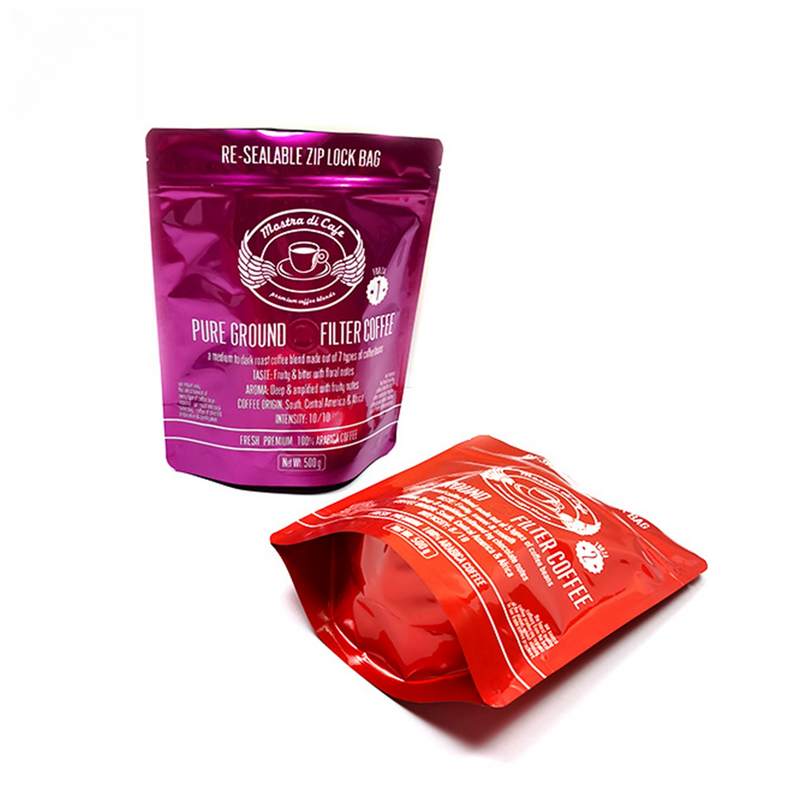
Vacuum sealing can reduce internal air and create a compact pack shape, which may suit certain coffee formats or older product inventories. It can also be useful where pack compression and space efficiency are priorities. Even so, vacuum-based coffee packaging should be evaluated against roast age, gas release, and material structure rather than treated as the automatic best option.
Fresh coffee behaves differently from static dry goods. Qingdao Colorful Printing Packaging Co., Ltd. states that coffee beans continuously release carbon dioxide, which is why one-way valve coffee packaging is designed to let gas out while blocking oxygen from coming in. For many freshly roasted products, that makes valve coffee packaging more practical than simple vacuum sealing because it handles ongoing gas release during shipping and storage.
Valve bags are built around freshness management for roasted coffee, while vacuum formats focus more on pack compression and reduced internal air. In real shipping use, the better option depends on whether the coffee is freshly roasted, how soon it is packed, and how long it will remain in transit or on shelf. Qingdao Colorful Printing Packaging Co., Ltd. offers both valve-equipped coffee packaging features and vacuum bag categories on its site, which reflects these distinct use cases.
Coffee packaging method | Best fit | Main advantage | Main limitation |
Valve pouch | Freshly roasted whole bean coffee | Releases CO2, limits oxygen entry | Slightly more feature complexity |
Vacuum pack | Some compressed or low-gas applications | Compact shape, reduced headspace | Less suitable for active degassing |
Zipper high-barrier pouch | Ground coffee and home-use packs | Reclosure after opening | Not a substitute for valve in fresh whole beans |
Foil laminate pouch | Long-distance shipping | Strong light and oxygen protection | Reduced product visibility |
Stand-up pouch coffee packaging is common because it combines display stability, lower weight, and multiple feature options. Qingdao Colorful Printing Packaging Co., Ltd. describes stand-up pouches as attractive and functional, with resealable design, built-in degassing valve, and upright presentation. For shipping, this format works well when a balance is needed between barrier performance, efficient storage, and retail-ready appearance.
Flat bottom and quad seal coffee packaging generally provide a firmer body and more predictable stacking. That makes them strong options for premium retail coffee, larger fills, or shipping cases where upright structure and panel clarity are priorities. Qingdao Colorful Printing Packaging Co., Ltd. lists flat bottom bags and quad seal bags alongside stand-up pouches in its coffee and tea range, indicating that structured formats are part of a broader coffee packaging system for different transport and shelf conditions.
Stick packs, filter packs, and other compact formats are not judged by the same standards as larger retail bags. In those cases, coffee packaging depends more on portion control, seal consistency, and machine compatibility than on zipper features or broad front-panel graphics. Qingdao Colorful Printing Packaging Co., Ltd. includes fractional packs, filter packs, and stick packs in its coffee and tea solutions, which shows that shipping strategy should change with the product format.
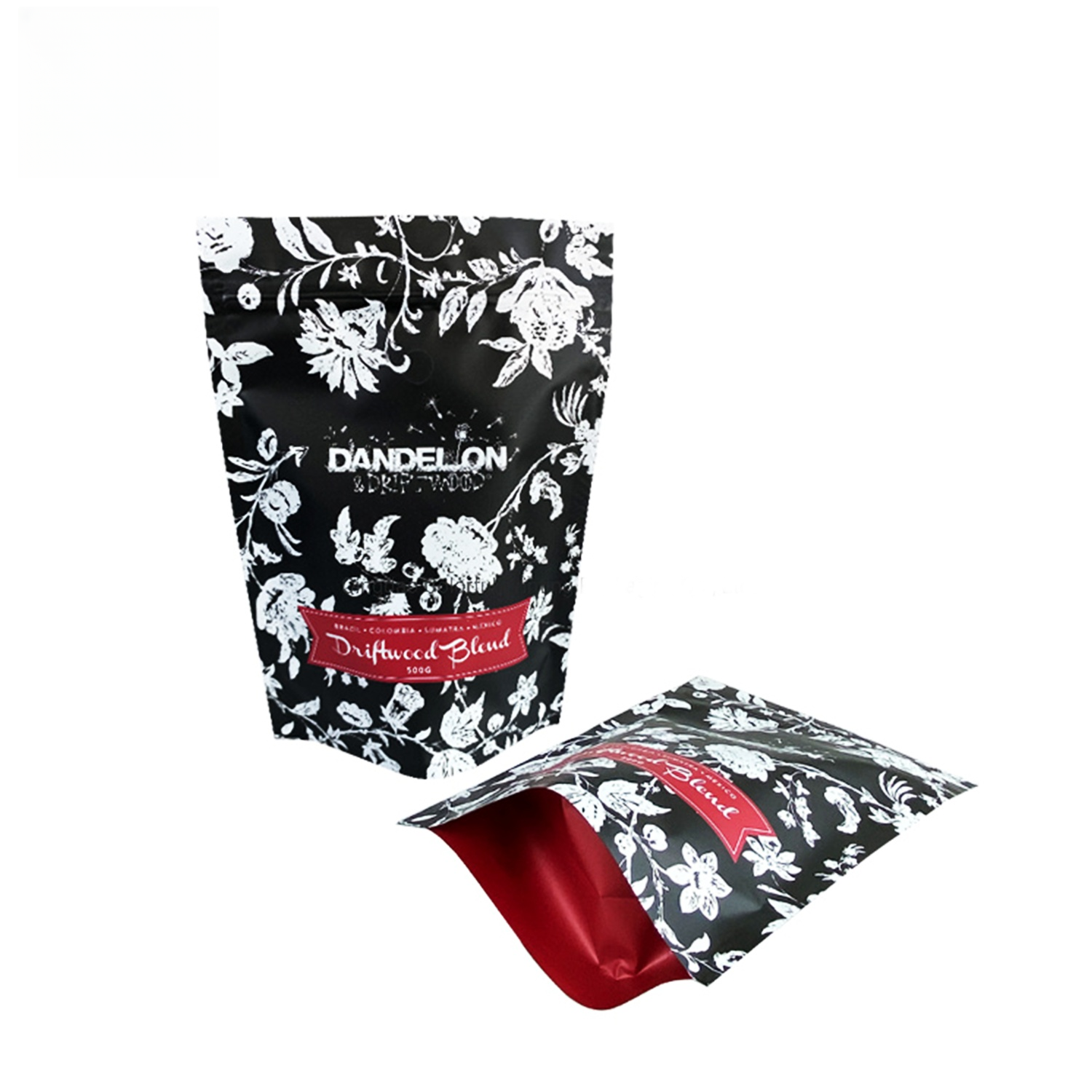
After delivery, coffee packaging should remain useful rather than turning into a temporary wrapper. Qingdao Colorful Printing Packaging Co., Ltd. lists zipper and sealing-strip features among its standard coffee packaging options, which means the original bag can continue serving as the storage container after opening. When the zipper is pressed closed properly and the bag is stored away from heat and light, this method generally keeps the coffee in better condition than leaving the top loosely folded.
Even good coffee packaging cannot overcome poor storage habits. Once the bag is open, repeated exposure to warm air, sunlight, and humidity will reduce freshness more quickly, especially for ground coffee. Qingdao Colorful Printing Packaging Co., Ltd. builds coffee packaging around barrier protection and resealability, but the bag still performs best when kept cool, dry, and closed between uses.
Some consumers transfer coffee into rigid containers immediately, but that is not always necessary. If the original coffee packaging has a zipper, strong laminate, and limited headspace after use, keeping the coffee in the supplied bag can be a practical option. Qingdao Colorful Printing Packaging Co., Ltd. includes user-experience features such as easy-tear opening, self-standing bottom, and resealing, which suggests that modern coffee packaging is often designed for continued household use after shipping.
The best way to pack coffee for shipping is to choose coffee packaging that combines barrier strength, structural stability, gas management, and reliable sealing. For many roasted products, especially whole bean coffee, a high-barrier pouch with a one-way valve and strong closure system is one of the most practical shipping solutions, while ground coffee and single-serve products may require different structures. Qingdao Colorful Printing Packaging Co., Ltd. positions coffee packaging around exactly these factors, offering stand-up pouches, flat bottom bags, quad seal bags, recyclable mono PE, foil laminates, zipper features, and valve options for different transport and storage needs.
The best method usually involves high-barrier coffee packaging with strong seals and, for many roasted whole bean products, a one-way degassing valve. Outer carton protection should also be included so the pouch is not damaged in transit. Qingdao Colorful Printing Packaging Co., Ltd. supports this approach with valve pouches, barrier laminates, and shipping-oriented bag structures.
Not always. Vacuum formats can work in some situations, but freshly roasted coffee often continues releasing gas and may perform better in valve-based coffee packaging. Qingdao Colorful Printing Packaging Co., Ltd. specifically identifies degassing valves as a core feature of coffee packaging for roasted beans.
Whole bean coffee commonly works well in stand-up pouches, flat bottom bags, or quad seal bags with high-barrier material and a one-way valve. These formats combine freshness retention with stable shipping performance and retail presentation. Qingdao Colorful Printing Packaging Co., Ltd. offers all of these coffee packaging directions within its coffee category.
The original zipper or sealing strip is usually the most practical resealing method when the coffee packaging includes that feature. The bag should then be stored sealed, dry, and away from light and heat. Qingdao Colorful Printing Packaging Co., Ltd. includes zipper and sealing-strip functions in its coffee packaging to support use after shipping.

