

● The most common coffee packaging format is usually the stand-up pouch for retail coffee. ● Flexible coffee packaging is widely used because it protects freshness and supports strong shelf presentation. ● Flat bottom bags and side-gusseted bags are also common coffee packaging formats for premium or larger-volume products. ● High-barrier materials and one-way valves are widely used in coffee packaging to preserve aroma. ● The best coffee packaging format still depends on coffee type, pack size, and market position.
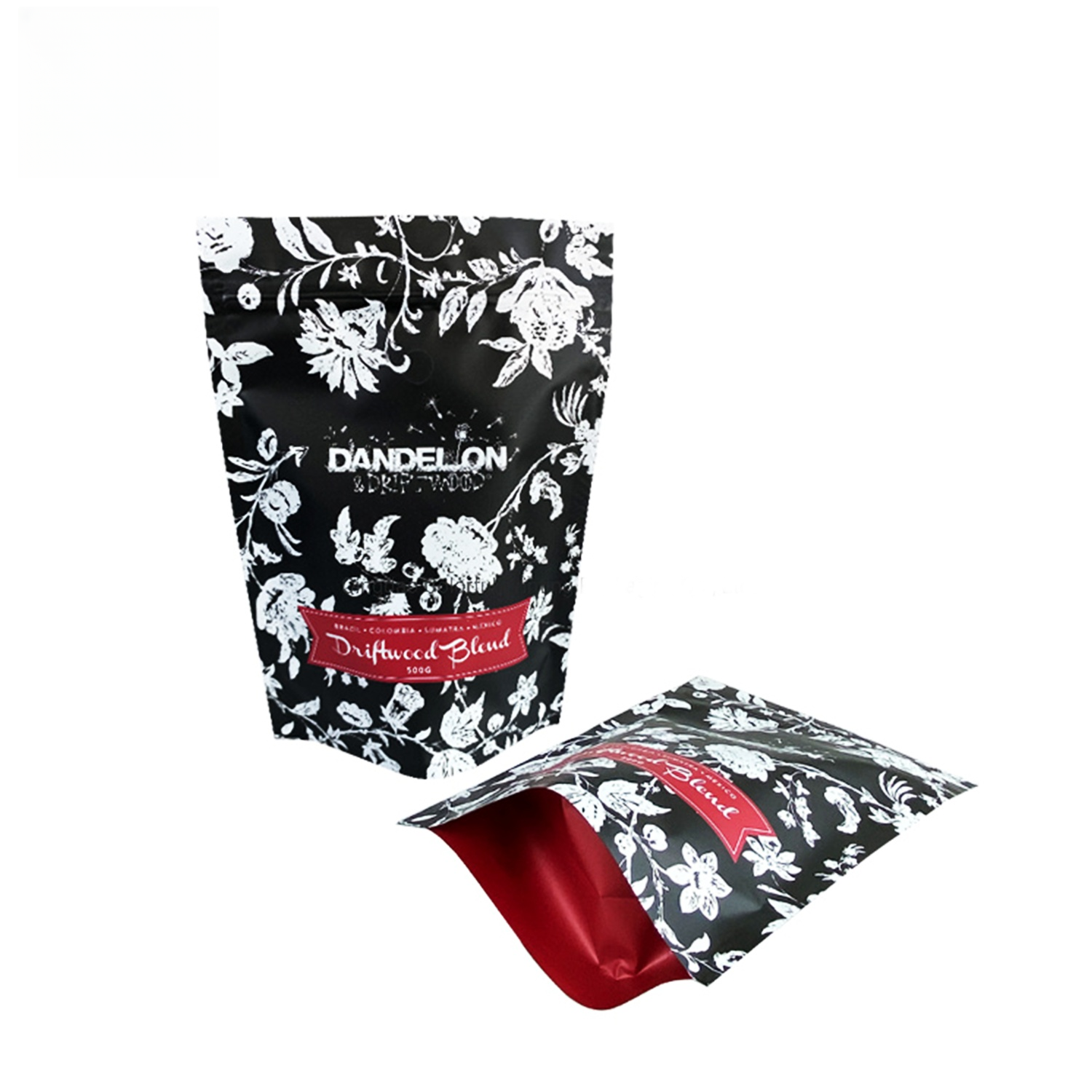
● Coffee packaging includes flexible bags, single-serve packs, rigid containers, and capsule formats. ● The most widely used coffee packaging types are stand-up pouches, flat bottom bags, side-gusset bags, and other flexible bag formats. ● Different coffee packaging types suit different products, including whole bean coffee, ground coffee, filter packs, and single-serve portions. ● Material choice, valve use, barrier structure, and pack size all affect how coffee packaging performs. ● Flexible bag-based coffee packaging dominates much of the specialty coffee market because it balances freshness, shelf impact, and customization.

● The best coffee packaging for shipping should block oxygen, moisture, and light while keeping the bag stable in transit. ● For many roasted coffee products, stand-up pouches, flat bottom bags, and quad seal bags are among the most practical coffee packaging formats. ● One-way degassing valves are especially important for freshly roasted coffee packaging. ● Vacuum sealing is not always the best answer for roasted coffee that is still releasing carbon dioxide. ● Resealable closures improve coffee packaging after delivery and opening.

● The best coffee packagingdepends on coffee type, pack size, shelf-life goals, and filling method. ● Stand-up pouches, flat bottom bags, and quad seal bags are among the most common coffee packaging formats. ● Strong coffee packaging should protect against oxygen, moisture, and light. ● One-way degassing valves are especially important for freshly roasted coffee packaging. ● Material choice in coffee packaging should balance protection, appearance, sustainability, and cost. ● Qingdao Colorful Printing Packaging Co., Ltd. offers coffee packaging across multiple bag types and material structures.

● Coffee packagingusually includes product name, net weight, roast or best-before date, origin, roast level, grind type, storage information, and company details. ● Coffee packaging may also include structural features such as one-way degasing valves, zippers, tear notches, windows, and high-barrier laminations. ● Stand-up pouches, flat bottom bags, and quad seal bags are common coffee packaging formats because they support display, filling efficiency, and custom printing. ● Material choice in coffee packaging often balances oxygen barrier, light protection, recyclability, print quality, and cost control.
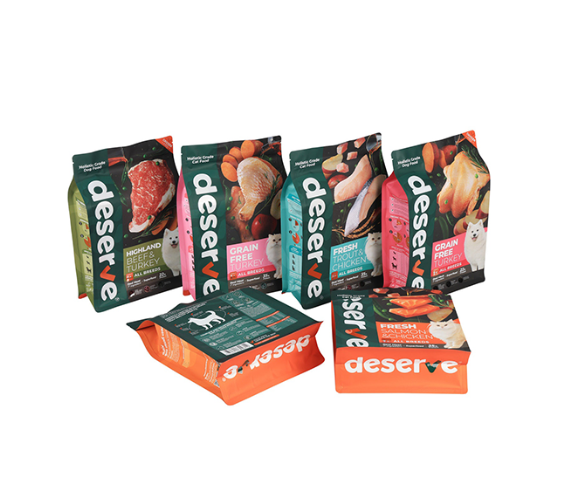
IntroductionCoffee buyers expect sustainability today, yet brands must still protect profit margins. This balance often appears in Coffee Packaging, where material choice, design, and logistics all influence cost and environmental impact.