
Views: 0 Author: Site Editor Publish Time: 2026-03-10 Origin: Site


Coffee buyers expect sustainability today, yet brands must still protect profit margins. This balance often appears in Coffee Packaging, where material choice, design, and logistics all influence cost and environmental impact. Poor packaging decisions raise shipping expenses or damage brand credibility. In this article, you will learn how businesses balance cost and sustainability through smarter Coffee Packaging strategies, including material selection, efficient design, and optimized supply chains.
Mono-material packaging uses one plastic type instead of multiple layers. This improves recyclability and simplifies sorting in recycling systems. Many coffee companies now adopt polyethylene-based pouches for their Coffee Packaging. These materials maintain strong barrier protection while supporting recycling streams. They also reduce manufacturing complexity. Fewer materials mean fewer production steps. That lowers cost over time and improves supply reliability. Mono-material packaging therefore helps coffee brands align sustainability goals with operational efficiency.
Kraft paper remains one of the most recognizable eco-friendly materials. Its natural appearance signals sustainability to consumers. Many coffee brands adopt kraft-based Coffee Packaging to reinforce environmental values. Paper-based packaging also supports recyclability and lightweight transport. Many designs include an inner barrier layer to maintain freshness. This combination provides both product protection and a strong sustainable image. Brands often use kraft packaging to build trust and communicate responsible sourcing.
Plant-based materials attract attention in sustainable Coffee Packaging. These films often come from corn starch or sugarcane. They offer compostable options that reduce long-term environmental impact. Many coffee businesses use compostable films for specialty blends or premium product lines. These materials highlight sustainability leadership and appeal to eco-conscious buyers. Compostable packaging also aligns with evolving environmental policies and sustainability standards.
Reusable packaging models are gaining attention across the coffee industry. Metal tins, refillable jars, and reusable bags extend packaging life cycles. These options reduce material demand while strengthening brand identity. Many cafés now offer refill programs for customers who bring containers back. This approach builds customer loyalty and supports circular economy practices. Reusable Coffee Packaging also encourages long-term engagement with sustainability initiatives.
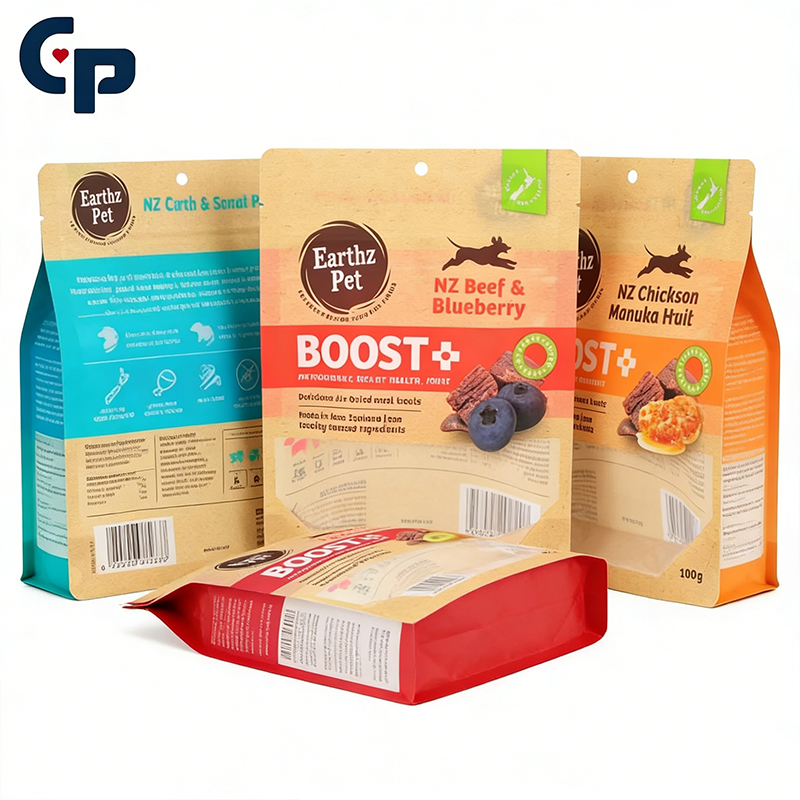
Minimalist Coffee Packaging also supports cleaner recycling streams and lower printing energy use. Reducing color layers limits solvent consumption and decreases drying energy during flexographic or digital printing. Many packaging converters recommend using one- to three-color designs and avoiding heavy varnish coatings. This approach lowers ink coverage and improves material recovery in recycling processes. It also shortens printing setup time and reduces plate production in traditional printing methods. For coffee brands producing multiple SKUs, minimalist layouts allow standardized bag structures with interchangeable labels, which further improves manufacturing efficiency and reduces packaging waste across production batches.
Right-sized Coffee Packaging is often determined through packaging optimization tests and volumetric analysis. Coffee beans have a bulk density of roughly 0.35–0.40 g/cm³, so packaging volume must match this density to prevent excess air space. Proper sizing also reduces oxygen exposure and improves product freshness. Packaging engineers typically calculate fill volume, headspace requirements, and valve placement before finalizing pouch dimensions. When packaging dimensions align with pallet patterns and carton sizes, transport efficiency improves significantly. Optimized packaging geometry therefore reduces material use, improves pallet utilization, and helps coffee brands lower both packaging and distribution costs.
Flexible pouch structures have become a standard solution in modern Coffee Packaging because they reduce storage volume, shipping weight, and material usage. Compared with rigid containers, flexible pouches can be stored flat before filling and packed densely during transportation. Their barrier properties and structural features also help maintain coffee freshness during distribution.
| Category | Specification / Feature | Application in Coffee Packaging | Technical Indicators / Data | Practical Benefit | Implementation Notes |
|---|---|---|---|---|---|
| Packaging Structure | Stand-up pouch (SUP) | Retail coffee bags (200 g – 1 kg) | Typical film thickness: 70–120 μm | Allows stable shelf display while using less material than rigid containers | Bottom gusset must support product weight |
| Packaging Structure | Side-gusset pouch | Bulk roasted coffee packaging | Bag volume range: 250 g – 2 kg | Expands efficiently when filled while remaining flat during storage | Requires sealing equipment compatible with gusset bags |
| Storage Efficiency | Flat storage before filling | Coffee roaster packaging facilities | Unfilled pouch thickness <2 mm | Reduces warehouse storage space compared with rigid containers | Store in dry conditions below 25°C |
| Shipping Weight | Lightweight flexible film | E-commerce coffee shipments | Typical pouch weight: 8–20 g for 250 g bag | Lower shipping weight reduces freight cost and fuel use | Film thickness must maintain puncture resistance |
| Barrier Protection | Multi-layer barrier film | Fresh roasted coffee packaging | Oxygen transmission rate (OTR): typically <150 cc/m²/day | Protects coffee aroma and shelf life | Ensure compatibility with degassing valve |
| Moisture Protection | Laminated pouch films | Coffee bean packaging | Water vapor transmission rate (WVTR): typically <5 g/m²/day | Prevents moisture damage during storage | Store in low humidity environments |
| Freshness Feature | One-way degassing valve | Whole bean coffee bags | Valve release pressure: typically 2–5 mbar | Allows CO₂ release while preventing oxygen entry | Valve must be properly sealed during production |
| Logistics Efficiency | High packing density | Palletized coffee shipments | Pallet capacity increase up to ~30–40% vs rigid containers (industry estimates) | Improves transport efficiency and reduces shipping cost | Optimize pallet stacking pattern |
| Material Usage | Flexible laminate films | Commercial coffee packaging | Material usage typically 60–70% lower than rigid plastic containers (varies by design) | Reduces raw material consumption | Choose recyclable mono-material options where possible |
| Shelf Presentation | Stand-up structure | Retail coffee display | Base width typically 40–80 mm depending on bag size | Provides stable display and strong brand visibility | Ensure correct base dimension for product weight |
Tip:For coffee roasters shipping large volumes, selecting stand-up pouches with optimized film thickness (around 80–100 μm) can maintain durability while minimizing shipping weight and storage space, improving overall logistics efficiency.
Effective bulk purchasing requires accurate demand forecasting and inventory planning. Coffee companies often analyze historical sales and roasting volumes to estimate annual Coffee Packaging consumption. Economic order quantity (EOQ) models help determine the most efficient purchase volume by balancing ordering cost and storage cost. Large packaging orders also allow suppliers to optimize production runs, which lowers per-unit manufacturing costs. In addition, long-term supply agreements with packaging manufacturers can secure stable material prices and protect businesses from fluctuations in plastic, paper, or resin markets.
Stock packaging offers flexibility and cost control. Instead of ordering fully customized bags for each product, brands use standard packaging and apply custom labels. This reduces printing costs and minimum order requirements. This method also allows quick product updates. Companies can launch new blends without ordering new packaging designs. As a result, stock bag strategies improve both efficiency and creative flexibility in Coffee Packaging.
Local supplier partnerships can improve both supply chain reliability and sustainability performance in Coffee Packaging. Shorter transportation distances reduce fuel consumption and shipping lead times, which is particularly valuable for just-in-time packaging supply systems. Local manufacturers also allow easier coordination during packaging development, including rapid prototyping and material testing. In addition, working with regional suppliers supports supply chain resilience, since production disruptions or international shipping delays are less likely to interrupt packaging availability for coffee roasting operations.
Digital printing technologies such as HP Indigo and inkjet systems allow high-resolution printing on flexible films without plate preparation. For Coffee Packaging, this means brands can produce runs as small as a few hundred bags while maintaining consistent color accuracy. Variable data printing also allows each batch to include different roast dates, origin details, or QR codes. Because setup waste is minimal compared with flexographic printing, digital processes reduce substrate waste and shorten production cycles, making them highly suitable for specialty coffee releases and seasonal products.
AI-assisted design tools integrate machine learning with packaging layout systems to accelerate Coffee Packaging development. These platforms can automatically generate dieline layouts, optimize typography placement, and simulate packaging appearance on 3D models. Designers can test color contrast, readability, and brand visibility before production. Some systems also analyze consumer visual preferences and shelf impact metrics. By automating repetitive design tasks and enabling rapid prototyping, AI tools help brands finalize packaging concepts faster while maintaining consistency across multiple product lines.
Supply chain analytics allows companies to refine Coffee Packaging specifications based on real operational data. Sensors and logistics software track shipment weight, pallet utilization, and damage rates during distribution. Packaging engineers then adjust film thickness, pouch structure, or carton dimensions to improve efficiency. For example, optimizing pouch dimensions to match pallet footprints can increase pallet density and reduce transport emissions. Over time, integrating operational data with packaging design decisions enables companies to reduce logistics costs while maintaining product protection.
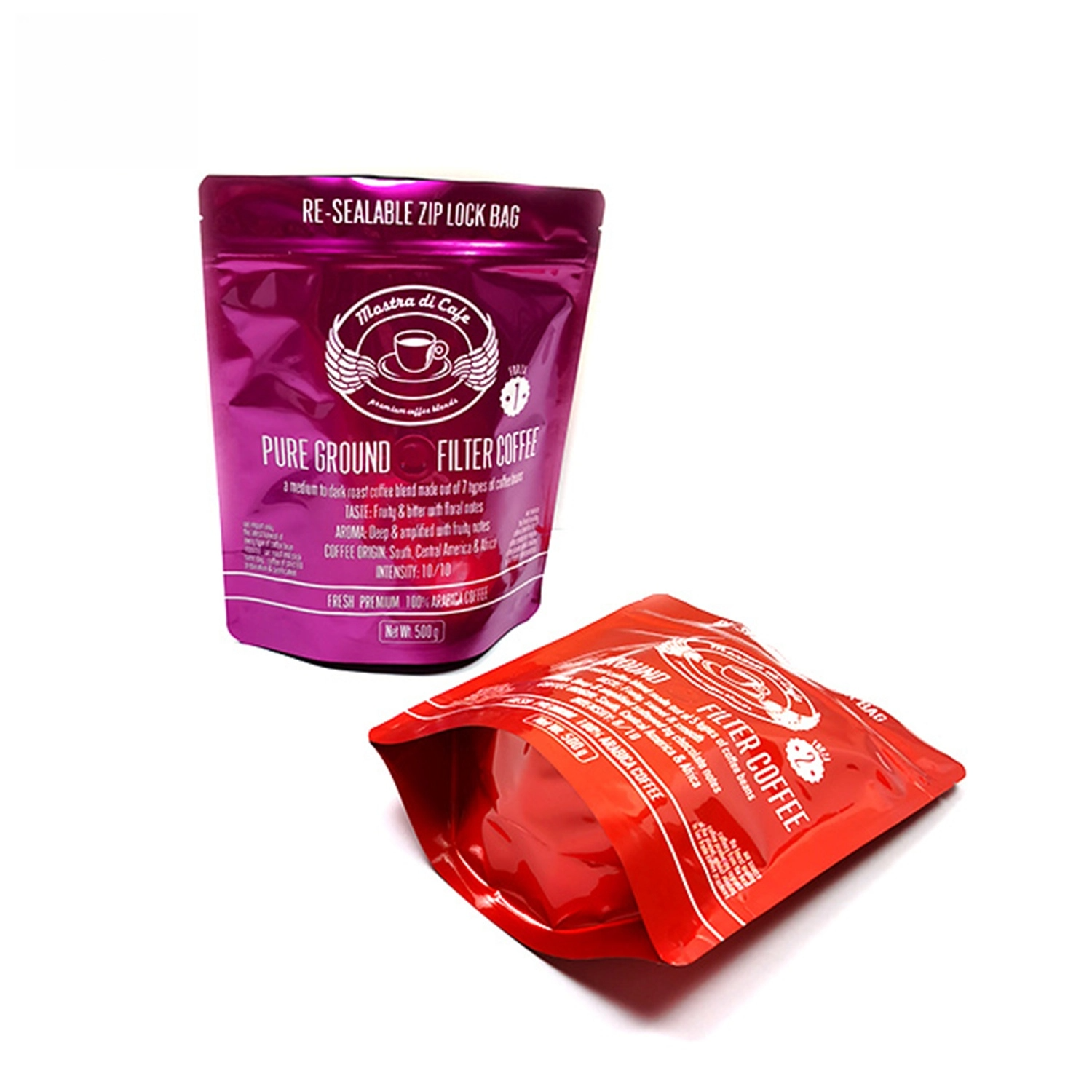
A complete lifecycle assessment for Coffee Packaging normally follows ISO 14040 and ISO 14044 standards. It measures energy use, greenhouse gas emissions, water consumption, and waste generation at each stage of the packaging lifecycle. Analysts often calculate indicators such as CO₂-equivalent emissions per kilogram of material and total energy demand per functional unit of packaged coffee. By comparing different materials under identical conditions, companies can identify packaging structures that reduce environmental impact while maintaining product protection and shelf life.
Effective end-of-life planning requires evaluating local recycling rates, waste infrastructure, and material recovery efficiency. In Coffee Packaging, materials such as LDPE or mono-polyethylene films often integrate better with existing soft-plastic collection programs. Carbon impact is also assessed through emission factors associated with landfill, recycling, or composting pathways. Packaging designers often prioritize structures that enable mechanical recycling and minimize contamination from inks, adhesives, or multilayer laminates, ensuring higher recovery rates and lower lifecycle emissions.
Total cost of ownership for Coffee Packaging considers procurement cost, logistics efficiency, product protection, and end-of-life management. Lightweight packaging can reduce freight expenses by lowering shipment weight per pallet, while durable barrier films minimize product loss caused by oxidation or moisture exposure. Companies also evaluate operational efficiency, such as faster filling speeds and reduced storage space. When these operational factors are integrated into cost analysis, sustainable packaging often proves economically competitive while strengthening long-term brand value.
In the coffee industry, clear sustainability communication on Coffee Packaging helps customers understand how packaging should be used and disposed of. Well-structured labeling allows consumers to quickly identify materials, recycling methods, and environmental certifications. Many coffee brands integrate standardized icons, material codes, and certification marks directly on the package to improve transparency and encourage responsible disposal.
| Information Category | Label Example on Coffee Packaging | Application Scenario | Technical Indicators / Data | Practical Function | Implementation Notes |
|---|---|---|---|---|---|
| Packaging Material Identification | LDPE #4, PE, Kraft Paper | Bottom or side panel of coffee bags | LDPE density: 0.91–0.94 g/cm³ | Identifies packaging material for recycling streams | Must align with local recycling systems |
| Recycling Instructions | “Store Drop-Off Recyclable” | Flexible plastic coffee bags | Film thickness typically 40–120 μm | Guides consumers to supermarket soft-plastic recycling points | Should comply with regional recycling regulations |
| Compostability Certification | BPI Certified Compostable | PLA or plant-based coffee bags | Industrial composting temperature: 55–60°C; degradation cycle: ~90–180 days | Verifies that packaging can break down in industrial compost facilities | Not suitable for home compost unless specified |
| Paper Source Certification | FSC Certified | Paper-based coffee packaging | FSC standard ensures sustainable forestry management | Confirms paper originates from responsibly managed forests | Certification code must be traceable |
| Bio-based Material Label | USDA BioPreferred | Plant-based film packaging | Bio-based content typically ≥25% | Indicates renewable raw material content | Bio-content percentage should be declared |
| Packaging Structure Disclosure | Mono-material PE pouch | Recyclable coffee pouches | Film thickness 60–90 μm; Oxygen transmission rate <150 cc/m²/day | Explains recyclable structure and barrier protection | Degassing valve compatibility required |
| Freshness Feature Information | Degassing Valve Included | Fresh roasted coffee bags | CO₂ release while blocking oxygen ingress | Preserves aroma and shelf life | Valve material should match pouch material |
| Disposal Guidance | “Empty → Rinse → Recycle” | Recyclable coffee bags | Residual contamination ideally <5% before recycling | Helps consumers dispose of packaging properly | Instructions must be concise |
| Digital Sustainability Info | QR Code Sustainability Page | Specialty or premium coffee brands | QR scan recognition rate >99% under standard print quality | Provides extended sustainability information online | Landing page should remain active |
Tip:Place recycling symbols, certification marks, and disposal instructions together on the back or bottom panel of the Coffee Packaging so consumers can quickly identify sustainability information without disrupting the main brand design.
Certifications help validate sustainability claims. Labels related to recycling, responsible sourcing, and compostability provide independent verification. These marks increase credibility and guide consumer decisions. Displaying certifications on Coffee Packaging reassures customers that the brand follows responsible practices. This also differentiates products in competitive retail environments.
QR codes create new engagement opportunities. Scanning a code can direct customers to detailed sustainability pages. These pages explain recycling instructions and packaging materials. QR-based communication allows brands to update information without redesigning Coffee Packaging. It also creates interactive experiences that strengthen brand storytelling.
Balancing cost and sustainability in Coffee Packaging requires smart planning across materials, design, and supply chains. Businesses that adopt recyclable structures, efficient pouch designs, and optimized procurement strategies can reduce waste while protecting product freshness and operational efficiency. When packaging becomes a strategic investment, brands strengthen competitiveness and customer trust. Qingdao Colorful Printing Packaging Co., Ltd. provides advanced coffee packaging solutions that combine flexible materials, reliable barrier performance, and customizable printing, helping coffee brands achieve sustainable growth while maintaining strong cost control.
A: Sustainable Coffee Packaging uses recyclable or low-impact materials.
A: Use lightweight pouches and bulk Coffee Packaging orders.
A: Recyclable Coffee Packaging reduces waste and improves brand trust.
A: Not always. Smart Coffee Packaging design lowers shipping and material costs.
A: Kraft paper, mono-PE films, and compostable Coffee Packaging materials.

