
Views: 0 Author: Site Editor Publish Time: 2026-08-21 Origin: Site


When bagging 15 to 40 pounds of dry kibble, the stakes remain incredibly high. A compromised seal does not just mean spilled product on the warehouse floor. It leads directly to rapid oxidation, pest ingress, and costly retail chargebacks. Heavy-weight bulk pet food exerts unique mechanical stresses on flexible materials. These intense forces often destroy weak closures during standard transit. You must align your material selection, bag structure, and sealing equipment precisely. This technical alignment guarantees extended shelf life for sensitive ingredients. It also ensures strict FDA compliance for overall product safety. In this guide, you will learn how to diagnose engineering failures on the production line. We will explore structural upgrades designed to prevent future leaks. You will also discover practical, immediate steps to secure your bulk packaging operations and protect your brand reputation.
Seal failure in heavy-duty packaging is primarily driven by incorrect heat/dwell/pressure settings or particulate contamination in the seal zone.
Upgrading to structural designs like Quad Seal Bags significantly reduces stress concentrations on the primary top and bottom seals.
Evaluating a packaging partner requires verifying their testing protocols, including drop tests, burst tests, and barrier integrity validation.
Preventative maintenance and ongoing line calibration are non-negotiable for sustained leak-free operations.
Seal failure generates massive hidden costs across your entire supply chain. Product spoilage ruins profit margins immediately. When atmospheric oxygen breaches a faulty seal, it accelerates the oxidation of animal fats. This chemical reaction degrades nutritional value rapidly. It also renders the kibble rancid. Transit damage creates another severe financial drain. Warehouses routinely reject entire pallets when bottom seals rupture under heavy stacking pressure.
Regulatory and safety risks escalate quickly when packaging fails. The FDA strictly regulates pet nutrition safety and proper storage conditions. Packaging serves as your primary defense against external hazards. Moisture ingress breeds harmful mold inside the bag. This mold can produce deadly aflatoxins. Bacterial contamination risks trigger expensive, highly publicized product recalls.
End-user brand damage remains the most difficult consequence to repair. Voice-of-Customer realities play out daily on social media. Pet owners complain bitterly on forums when discovering stale food. Pets often refuse to eat rancid kibble. Faulty closures and torn gussets frustrate buyers constantly. They will abandon your brand over these specific issues. You lose recurring revenue almost instantly.
Best Practices for Monitoring Impact:
Track specific retail chargeback codes related to packaging failures.
Monitor social media mentions for keywords like "stale," "bugs," or "broken bag."
Conduct quarterly reviews of transit damage reports from your logistics partners.
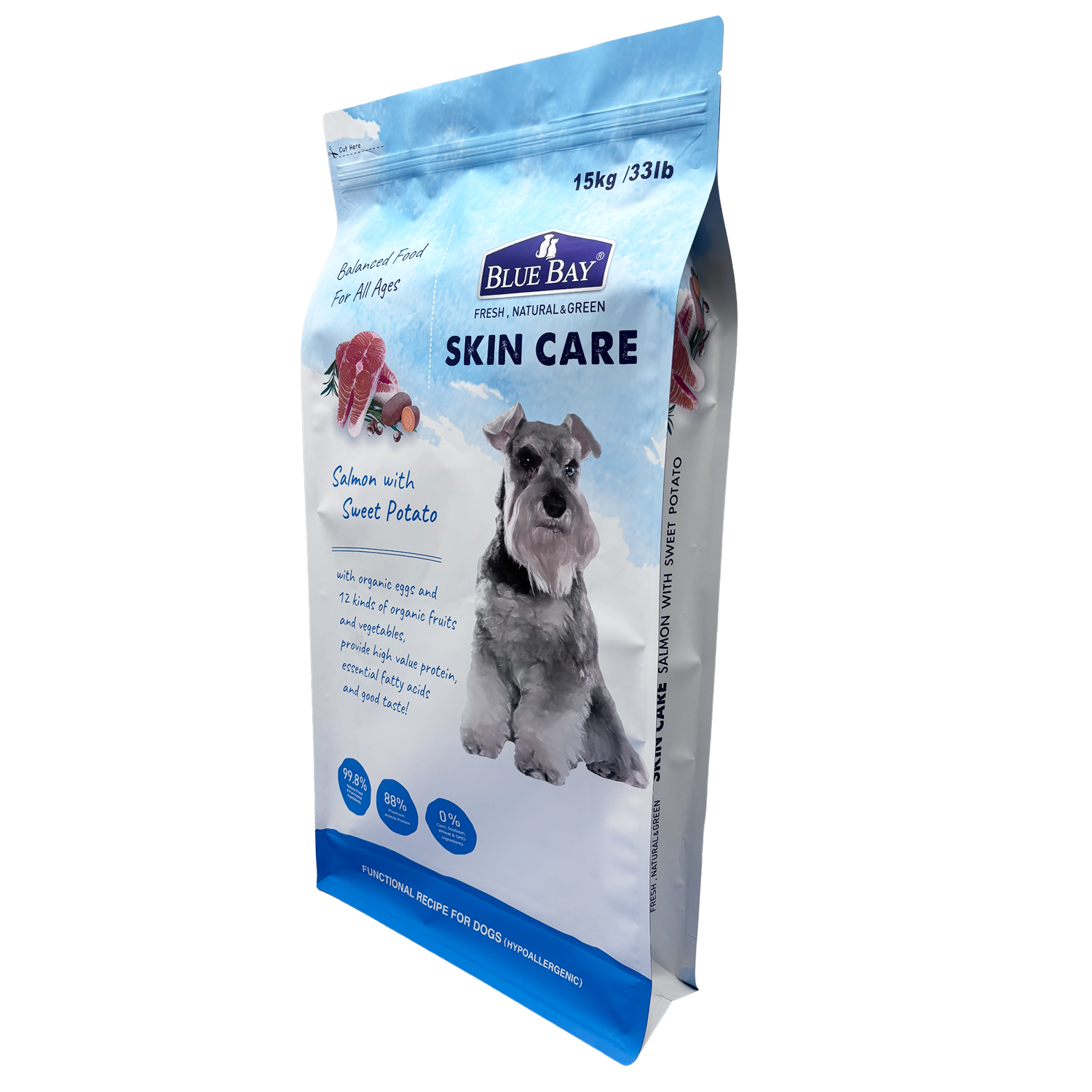
Kibble dust and high-fat coatings destroy hermetic seals regularly. Dry pet food generates fine particulate matter during the filling stage. High-fat diets leave oily residues inside the package neck. These contaminants coat the metal sealing jaws. They act as unwanted release agents between the film layers. A proper molecular bond becomes impossible under these conditions.
The Triangle of Failure dictates most equipment-related ruptures. Heat, pressure, and dwell time control your entire sealing process. You must balance all three variables perfectly. Miscalibrated equipment ruins seals quickly. Too little heat or inadequate pressure creates weak, easily peelable bonds. Conversely, excessive heat or extended dwell time burns the polymer film. This crystallization creates brittle seals. These degraded seams snap immediately under drop impacts.
Mechanical stress points require careful engineering attention. Heavy bags fail during transit at very specific locations. Gusset transitions represent the highest vulnerability. These transition points fold multiple film layers together into thick intersections. Standard sealing jaws often fail to apply adequate pressure across these uneven thickness changes. Leaks form in these microscopic gaps. Bottom seals also take extreme abuse. They absorb the full kinetic energy of the heavy product during drops.
Structural advantages dictate bag performance in bulk operations. Quad Seal Bags distribute weight brilliantly across the package footprint. They feature four reinforced vertical corners. This structural genius shifts tension completely away from the center panels. Bulk kibble settles securely inside the reinforced perimeter. The primary top and bottom seals face significantly less pull-apart stress during handling.
Heavy weights demand highly robust material compatibility. These bags accommodate multi-layer high-barrier films easily. You need heavy-duty laminations to survive warehouse environments. Nylon or tough polyester layers prevent sharp kibble from puncturing the exterior. Advanced foil or EVOH inner layers block oxygen and moisture completely. This multi-layer approach ensures maximum puncture resistance and prolonged freshness.
Integration with reclosable features requires precision engineering. Consumers demand convenience for large formats. Press-to-close zippers and sliders add heavy top-weight to the bag structure. You must engineer the primary base seal to support this hardware perfectly. The closure must remain user-friendly. However, the underlying hermetic seal cannot sacrifice any structural integrity.
Common Mistakes to Avoid:
Assuming standard stand-up pouches can handle 40-pound fills.
Specifying thin sealant layers to save upfront costs.
Ignoring the stress zipper profiles add to the side gussets.
Standardized testing validates any successful pet food packaging strategy. You must demand rigorous quality assurance metrics from your partners. Drop testing simulates brutal warehouse handling accurately. Burst strength and vacuum testing expose weak seams instantly. Seal creep tests measure long-term holding power. They involve hanging static weights on a sealed strip in a heated chamber. This verifies the polymer will not slowly peel apart over time.
Material traceability ensures consumer safety and regulatory compliance. Suppliers must document material origins transparently. Food-safe internal layers are absolutely non-negotiable. You must request certificates of analysis for all FDA-compliant contact materials. Supplier transparency prevents toxic chemicals from migrating into the pet food.
Matching film specifications to your equipment reality prevents production disasters. Adopting new barrier films carries inherent risks. You must verify compatibility prior to full-scale rollouts. Form-fill-seal (FFS) and pouch-filling machinery operate at highly specific speeds. Thicker barrier films might require longer dwell times. This adjustment reduces your overall line throughput. You must calculate these production slowdowns before switching materials.
Required Performance Tests Overview
Test Category | Testing Method | Pass/Fail Criteria |
|---|---|---|
Impact Resistance | Directional Drop Test (3-6 feet) | No ruptures at gusset transitions or bottom seals. |
Hermetic Integrity | Submerged Vacuum Water Bath | Zero continuous air bubbles escaping the package. |
Seal Strength | Tensile Pull/Burst Testing | Seal must hold beyond the film's yield point. |
Thermal Stability | Heated Seal Creep Test | No delamination under static load at 100°F+. |
Establishing strict calibration protocols sets the foundation for success. Switching to heavier materials alters heat transfer rates entirely. You need a dedicated framework for setting up initial production runs.
Clean the sealing jaws thoroughly to remove baked-on dust and grease.
Verify jaw alignment using pressure-sensitive carbon paper.
Set baseline temperatures based on the resin manufacturer specifications.
Run empty blank pouches to test baseline seal strength.
Conduct destructive tensile testing before introducing product into the line.
In-line quality assurance catches microscopic failures early. You must implement continuous testing schedules throughout the shift. Catch temperature drift before thousands of units leave the facility. Machines heat up gradually during continuous operation. This thermal drift causes localized burning. Check jaw alignment and pressure settings every single hour. Do not wait for a pallet full of rejects to realize a problem exists.
Advise your decision-makers to demand strong Service Level Agreements (SLAs). Hold your vendors strictly accountable for performance. Define acceptable defect rates clearly in the contract. Mandate strict material consistency from batch to batch. Require on-site technical support during all initial line trials. A true partner will help your maintenance team dial in the exact parameters needed for their specific films.
Preventing seal failure demands a highly systemic effort across your organization. You cannot solve leaks by simply increasing sealing temperatures. You must combine structural bag choices, advanced film barriers, and precise machinery calibration. Properly specified heavy-duty designs distribute kinetic energy safely. Rigorous in-line testing catches thermal drift before it ruins pallets of expensive product.
Take immediate action to protect your operations. Audit your current burst-test data from the last quarter. Identify your most frequent point of failure. Request a technical consultation and a sample pack to test high-performance heavy-duty packaging on your own production floor.
A: Kibble dust and fat contamination act as the primary culprits. They coat the hot sealing jaws rapidly. This oily residue prevents proper film bonding. Incorrect dwell time on the machinery also causes major hermetic failures.
A: Heavier bulk weights exert massive kinetic energy during handling and drops. Wider seals increase the total surface area holding the film layers together. This extra width dissipates impact forces safely across the polymer.
A: Yes, mono-material recyclable films typically feature much narrower sealing windows. They melt significantly faster than traditional laminations. You must precisely calibrate your equipment to avoid burning these environmentally friendly structures.
A: Operators rely heavily on vacuum water bath testing. Submerged bags reveal microscopic leaks instantly through escaping air bubbles. Pressure decay testing offers a fast, non-destructive alternative for high-speed automated lines.

