
Views: 0 Author: Site Editor Publish Time: 2026-08-13 Origin: Site


Procurement directors and packaging buyers are rapidly shifting toward formats that maximize shelf space, structural stability, and material efficiency. The global flat bottom bag market is expanding to meet this demand, offering solutions that replace bulky rigid containers with lightweight, high-barrier flexible alternatives. Sourcing these bags at scale presents significant challenges. Buyers face fragmented global supply chains, fluctuating raw material costs, and complex regional compliance standards when attempting to secure reliable inventory.
Navigating this market requires a granular understanding of geographic manufacturing capabilities and demand growth. You must know which regions offer the best production infrastructure and which sales channels provide the most reliable procurement routes. Identifying the right combination of regional sourcing and channel optimization is critical for maintaining cost-per-unit stability and ensuring verifiable quality across your entire product line.
Regional Dominance vs. Emerging Hubs: Asia-Pacific (specifically East Asia and South Asia) leads in manufacturing volume and rapid demand growth, while North America and Europe dictate premiumization, strict eco-compliance standards, and advanced flat-bottom sealed bag technologies.
Capacity-Driven Sourcing: Procurement strategies must diverge based on volume requirements; 1–5 kg Flat Bottom Bags dominate retail FMCG, whereas 6–10 kg Flat Bottom Bags require specialized industrial supply chains.
Channel Optimization: The shift from traditional offline distributors to direct-to-manufacturer digital procurement is reducing lead times but requires rigorous vendor vetting.
Risk Mitigation: Diversifying regional sourcing is critical to buffer against geopolitical supply chain disruptions and localized material shortages.
A successful packaging procurement strategy hinges on cost-per-unit stability, reliable lead times, and verifiable sustainability credentials. The market is expanding due to rising urbanization, the critical need for high-barrier properties in food preservation, and a massive industry transition away from rigid packaging to reduce shipping weights. Flexible packaging requires less storage space in warehouses and lowers freight expenditures.
Simultaneously, a material shift is underway. Global plastic-reduction initiatives are forcing a transition from traditional multi-layer barrier plastic laminates to premium kraft paper packaging and mono-material structures. This creates a sourcing dilemma. Buyers must balance the speed and regulatory compliance of sourcing locally against the significant cost arbitrage offered by international manufacturing hubs. You have to weigh the benefits of a shorter supply chain against the financial advantages of overseas production.
To evaluate potential suppliers effectively, procurement teams should establish a standardized scoring matrix. This ensures objective comparisons across different regions and channels.
Evaluation Criteria | Local Sourcing (North America/Europe) | International Sourcing (Asia-Pacific) |
|---|---|---|
Lead Times | 2-4 weeks | 8-12 weeks (including freight) |
Unit Cost | Higher | Lower |
Compliance Verification | Direct oversight, easier audits | Requires third-party testing |
Minimum Order Quantities | Flexible, often lower | High volume required |
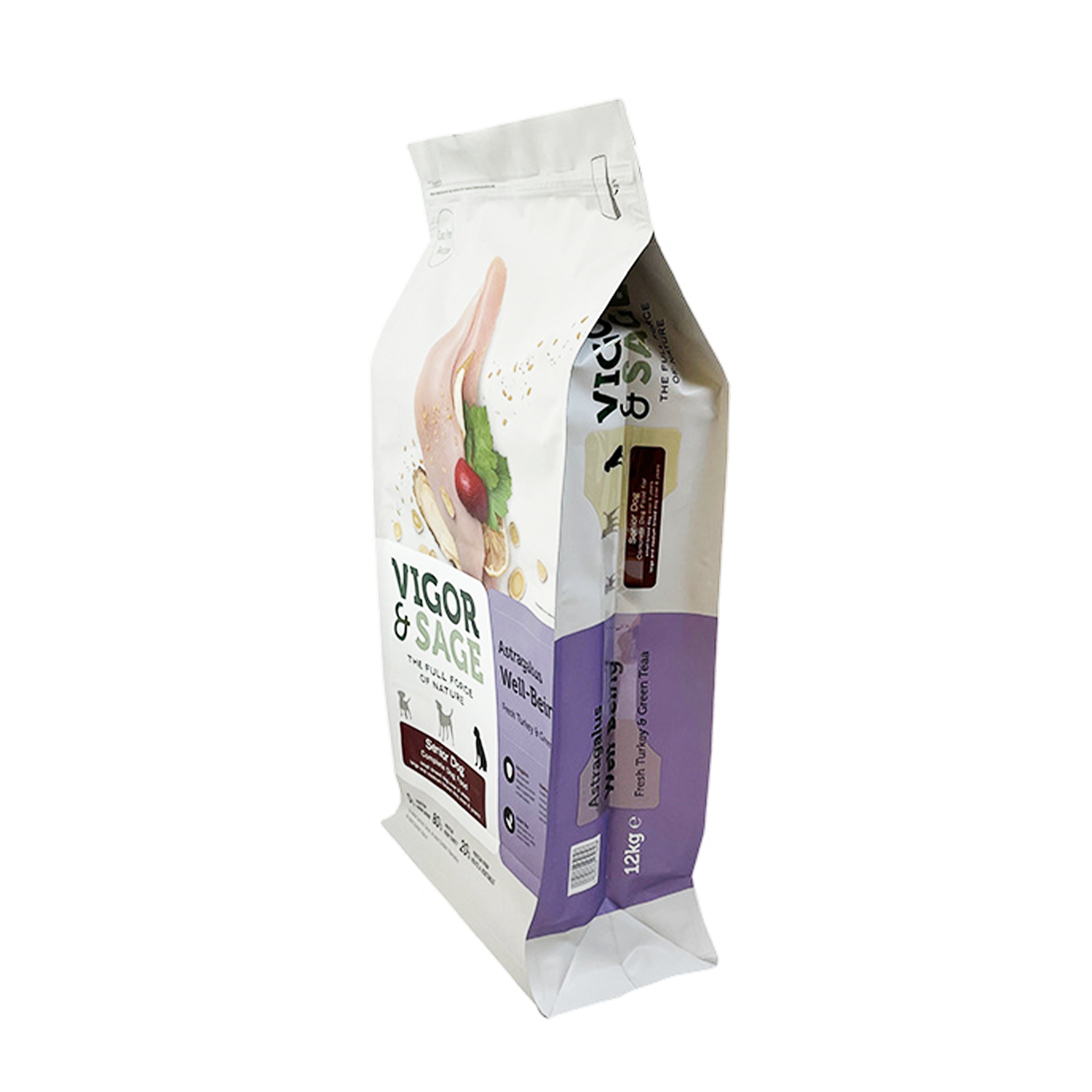
East Asia (specifically China and South Korea) and South Asia (specifically India) dominate as both the primary manufacturing hubs and the most rapidly expanding consumer bases for flexible packaging. Growth is catalyzed by rapid urbanization, expanding middle-class consumption of packaged goods, and massive investments in advanced flexible packaging infrastructure. These regions have built massive industrial parks dedicated entirely to polymer extrusion and bag conversion.
Sourcing specializations differ between these sub-regions. East Asia dominates high-barrier multi-layer plastic laminates and highly automated, high-speed production lines. South Asia is emerging as a primary hub for cost-effective paper-based flat bottom bags and sustainable substrates. Sourcing from these regions offers distinct advantages in scale and unit cost reduction. Buyers must balance these financial benefits against the risks of extended shipping times, complex logistics, and the need for stringent quality control oversight.
Conduct a preliminary audit of the manufacturer's export history.
Request physical samples from recent production runs, not just marketing prototypes.
Hire a localized third-party inspector to verify factory conditions before placing the first order.
North America and Europe act as mature markets driving innovation, specifically regarding recyclable, compostable, and high-barrier mono-material flat bottom bags. The United Kingdom represents a highly mature flat-bottom sealed bag market driven by intense supermarket shelf competition and a strong consumer demand for premium aesthetics. Brands here compete heavily on visual impact and tactile feel.
Regulatory frameworks heavily impact procurement in these regions. Extended Producer Responsibility (EPR) laws, plastic taxes in Europe, and stringent state-level regulations in North America force buyers to prioritize material compliance over raw cost. Buyers must utilize local converters or highly vetted international suppliers capable of meeting strict FDA or EFSA food-grade standards. Failure to comply results in heavy fines and product recalls.
Australia and New Zealand show growing demand for high-barrier premium food packaging. Procurement in Oceania relies heavily on direct import channels from East and South Asia. This is often paired with local conversion and distribution networks to offset shipping lag times and maintain agile inventory levels. Local distributors hold buffer stock to protect against port strikes or shipping delays.
The Middle East and Africa (holding approximately 5% of the global share) and Latin America are gradually emerging as new frontiers for localized manufacturing and consumption. Growth is driven by investments in local food processing industries, rising retail penetration, and agricultural exports requiring robust packaging. These regions serve as viable secondary sourcing hubs to build supply chain resilience. Establishing relationships here provides a safety net if primary Asian hubs experience disruptions.
The direct procurement model bypasses intermediaries, allowing buyers to work directly with flexible packaging converters. This approach offers the lowest unit cost, maximum customization, and direct control over quality assurance and material certifications. It involves high Minimum Order Quantities (MOQs), complex logistics, and potential communication barriers. It is best suited for enterprise-level brands with predictable, high-volume forecasting. You need a dedicated logistics team to handle customs clearance and freight forwarding.
Utilizing regional or global distributors who hold local inventory of standardized bags simplifies procurement. This channel offers lower MOQs, rapid regional delivery, simplified vendor management, and pre-vetted quality. The trade-off is a higher cost-per-unit and limited bespoke customization options. This model fits mid-market brands, agile product launches, or companies requiring just-in-time inventory management. Distributors handle the headache of international freight and customs.
Digital marketplaces connect buyers with global packaging suppliers, increasing transparency in pricing and accelerating the speed of sampling. While these platforms streamline the initial sourcing phase, buyers must rigorously vet unverified platform vendors to mitigate quality and compliance risks. Always verify the supplier's business license and request independent lab testing reports before transferring funds.
Retail FMCG heavily utilizes 1–5 kg Flat Bottom Bags for specialty coffee, pet food, dry snacks, and protein powders. These applications demand high-barrier plastic laminates, aluminum foil linings, or premium kraft paper options to preserve freshness and extend shelf life. The structural integrity of the flat bottom allows the bag to stand perfectly upright on retail shelves, maximizing brand visibility.
This capacity tier relies on premium printing capabilities like rotogravure or high-definition flexographic printing. Buyers typically source these through direct-to-manufacturer channels in East and South Asia to optimize costs, or through local converters in North America and Europe when speed-to-market and strict compliance are paramount. The choice depends entirely on the product launch timeline and budget constraints.
Application | Preferred Substrate | Key Feature Requirement |
|---|---|---|
Specialty Coffee | Foil-lined Laminate | One-way degassing valve |
Pet Food | High-barrier PET/PE | Press-to-close zipper |
Organic Snacks | Kraft Paper / PLA | Compostable certification |
Bulk agricultural seeds, wholesale ingredients, large-format pet food, and lawn and garden products require 6–10 kg Flat Bottom Bags. These industrial applications demand rigorous structural requirements, including enhanced burst strength, heavy-duty barrier films, multi-wall construction, and specialized degassing valves or heavy-duty zippers. A failure at this weight class results in significant product loss and warehouse cleanup costs.
Sourcing these heavier-duty bags requires specialized industrial packaging distributors or highly vetted manufacturers with proven structural integrity testing. These suppliers are primarily located in regions with advanced polymer manufacturing capabilities capable of producing heavy-duty laminates. Drop testing and burst testing protocols must be established and verified before mass production begins.
Over-relying on a single region exposes supply chains to volatility, such as freight cost spikes and port delays. Implementing a localized backup strategy is essential. Buyers must evaluate the conceptual trade-off between quality assurance and cost. Accepting higher domestic manufacturing costs may be necessary to guarantee structural integrity, especially for heavy-duty bags, while lower-cost overseas channels can be leveraged for standard retail formats.
Mitigate risks through a rigorous vendor onboarding process. Mandate third-party material testing, conduct facility audits, and execute phased trial runs before committing to high-volume contracts. Never transition your entire packaging volume to a new supplier without running a pilot program first.
Define exact material specifications and tolerances in the initial contract.
Require a certificate of analysis for every batch of raw material used.
Establish clear penalty clauses for delayed shipments or quality defects.
Maintain a secondary supplier with at least 20% of your annual volume to keep them active.
Success in the flat bottom bag market requires aligning specific capacity needs and compliance requirements with appropriate regional manufacturing strengths. Select direct APAC manufacturing for high-volume, cost-sensitive retail bags, and utilize regional distributors for agile, compliance-heavy, or heavy-duty industrial applications.
Audit your current packaging supply chain to identify regional vulnerabilities and single points of failure.
Request structural samples and compliance certificates from prospective vendors before initiating pricing discussions.
Initiate a multi-region Request for Proposal to compare landed costs and lead times accurately.
Establish a localized backup supplier to mitigate global freight risks and ensure continuous production.
A: Asia-Pacific, specifically East Asia and South Asia, drives the highest manufacturing volume and demand growth due to rapid urbanization and infrastructure investments. North America and Europe drive growth in premium, eco-compliant formats.
A: East Asia dominates high-barrier multi-layer plastic laminates and automated production. South Asia is emerging as a primary hub for cost-effective paper-based bags and sustainable substrates.
A: The Middle East and Africa region is gradually emerging, currently holding approximately 5% of the global market share, driven by local food processing investments and agricultural exports.
A: Enterprise brands typically use direct-to-manufacturer sourcing for the lowest unit cost and maximum customization. Mid-market brands often rely on regional distributors for lower minimum order quantities and rapid delivery.
A: They are primarily used for specialty coffee, pet food, and dry snacks. Substrates include high-barrier plastic laminates, aluminum foil linings, and premium kraft paper.
A: These bags require enhanced burst strength, heavy-duty barrier films, multi-wall construction, and specialized degassing valves. Rigorous structural integrity testing, including drop tests, is mandatory.

