
Views: 0 Author: Site Editor Publish Time: 2026-08-03 Origin: Site


Transitioning from rigid containers like glass and hard plastic to flexible packaging offers documented reductions in freight costs and material footprint. However, this shift introduces complex fluid dynamics and material compatibility challenges. You cannot simply pour any liquid into a flexible film and expect it to survive distribution. Mismatches between product viscosity, chemical composition, and pouch architecture lead to seal failures, compromised shelf life, and poor user experience. A highly acidic sauce will degrade standard foil layers, while a thick paste will clog an undersized fitment, leading to consumer frustration and product waste. We must establish a technical framework for evaluating whether a specific product—ranging from thin liquids to highly acidic viscous sauces—is a viable candidate for spouted flexible packaging. This evaluation focuses heavily on material science, spout engineering, and filling line realities to ensure the final package maintains hermetic integrity.
Defining the baseline technical requirements a product must meet is the first step in successfully packaging and distributing it in a spouted pouch. The product must flow efficiently through the filling equipment, remain stable within the selected film structure, and dispense cleanly for the end user. Failure to align these criteria results in leaks, spoilage, or machinery downtime on the production floor.
Understanding how Newtonian versus non-Newtonian fluids behave during the filling and dispensing processes dictates your equipment setup. Newtonian fluids, like water and clear juices, maintain a constant viscosity regardless of the shear rate applied during pumping. Non-Newtonian fluids, such as ketchup or sour cream, change viscosity under stress. They thin out when pumped through a filling nozzle but thicken once inside the pouch. This requires specific pressure to dispense later.
The correlation between product thickness, measured in centipoise (cP), and the required internal diameter of the spout dictates the packaging design. Low-viscosity liquids flow easily through standard 8mm to 10mm spouts. High-viscosity pastes and gels demand wider fitments, often 16mm or larger, to prevent excessive squeeze force requirements and ensure complete product evacuation.
| Product Type | Estimated Viscosity (cP) | Recommended Spout Diameter | Flow Characteristic |
|---|---|---|---|
| Water / Clear Juice | 1 - 10 | 8mm - 10mm | Newtonian, high flow |
| Edible Oils | 50 - 100 | 10mm - 14mm | Newtonian, medium flow |
| Tomato Ketchup | 50,000 - 70,000 | 16mm - 22mm | Non-Newtonian, shear-thinning |
| Peanut Butter / Paste | 150,000 - 250,000 | 22mm - 33mm | Highly viscous, requires wide aperture |
Evaluating the oxygen transmission rate (OTR) and moisture vapor transmission rate (MVTR) ensures the product maintains its intended shelf life. Products sensitive to oxidation require high-barrier films with extremely low OTR. Moisture-sensitive dry goods demand films with near-zero MVTR to prevent clumping inside the package.
Chemical interaction between the product and the inner sealant layer poses significant risks. Lipid oxidation in culinary oils degrades the film and alters the product taste. Highly acidic contents attack aluminum foil layers if not protected by a robust inner polymer web. Industrial surfactants cause stress cracking in standard polyethylene (PE) layers, necessitating specialized chemical-resistant blends.
Material requirements differ drastically across cold-fill, hot-fill, pasteurization, and retort applications. Cold-fill processes allow for standard PE or polypropylene (PP) sealant layers. Hot-fill applications require films that resist stretching and seal degradation at elevated temperatures. Retort processing involves high heat and pressure for sterilization. This demands specialized cast polypropylene (CPP) layers and heavy-duty adhesives to survive the autoclave environment.
Selecting films that withstand high heat involves structural trade-offs. Thicker, heat-resistant laminates provide excellent thermal stability but increase the stiffness of the pouch. This potentially reduces the ease of dispensing and evacuation efficiency. The spout resin itself must match the thermal tolerance of the film to prevent warping during sterilization.
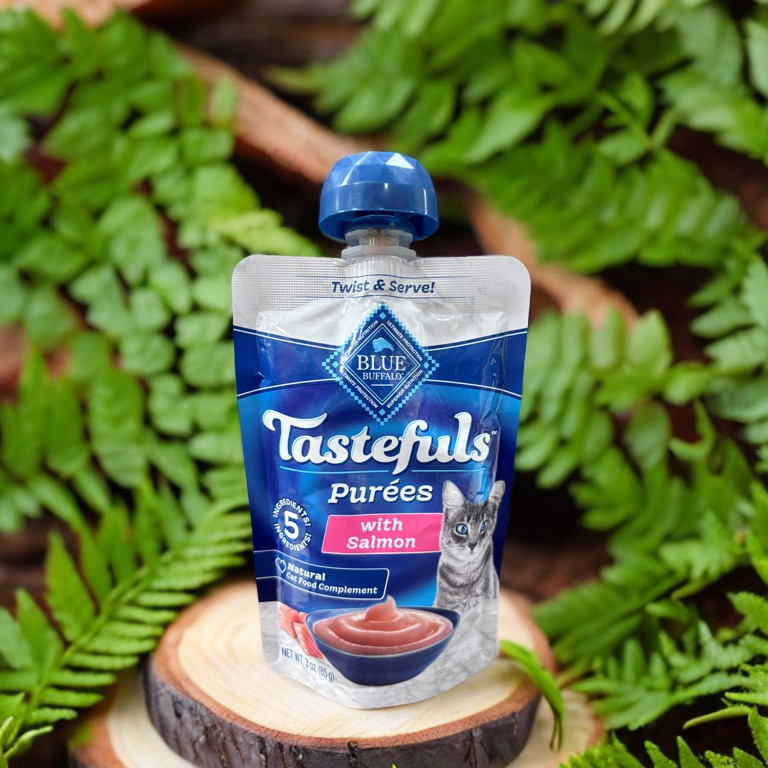
Packaging thick, semi-liquid foods requires precise engineering to balance barrier protection with user convenience. The architecture must support the weight and flow characteristics of dense products while protecting them from external contaminants.
Highly acidic products like tomato paste, ketchup, and pasta sauces require specific barrier requirements to prevent foil degradation. Spout Pouches for Tomato Sauce typically utilize a multi-layer structure featuring an acid-resistant inner sealant. This is often combined with an EVOH or nylon layer to protect the aluminum foil barrier from the corrosive nature of the tomatoes.
Handling particulates such as seeds, diced vegetables, or spices necessitates anti-choke caps and wider spout diameters. A 16mm to 22mm internal diameter prevents clogging during both high-speed filling and consumer dispensing. This ensures a smooth, continuous flow of chunky condiments without bottlenecking at the fitment.
Infant-safe packaging demands strict regulatory compliance. Materials must be entirely BPA-free. The fitments require tamper-evident, choke-proof closures designed specifically to exceed swallowing hazard dimensions. The film edges are often rounded to prevent accidental cuts during handling by toddlers.
Shelf-stable puree processing relies heavily on retort-grade material requirements. The pouches endure temperatures exceeding 121°C (250°F) without delaminating or compromising the spout-to-film weld. For sports nutrition and energy gels, the focus shifts to single-handed dispensing. High-speed burst strength is needed to survive active environments, alongside excellent squeeze-to-evacuate performance for quick consumption on the move.
Packaging lipid-heavy emulsions and oils presents challenges in oxidation prevention and barrier integrity. The film must prevent grease and oil migration. Migration weakens the laminate adhesives and causes unsightly staining on the package exterior. Maintaining emulsion stability requires a hermetic seal to prevent oxygen ingress that leads to rancidity.
Controlled dispensing of low-to-medium viscosity culinary oils benefits from specialized spout designs. Drip-free or flow-control fitments prevent messy spills and allow for precise pouring. Heavy, dairy-based frostings and sour creams require puncture-resistant film structures and robust seals to withstand the rigors of cold-chain distribution. Low temperatures make standard films brittle and prone to flex-cracking.
Beverage packaging prioritizes leak prevention, drop resistance, and ergonomic dispensing. The fluid dynamics of low-viscosity liquids place distinct stresses on the pouch structure, particularly at the gusset and spout seals.
Low-viscosity liquids exert immediate hydraulic pressure on the pouch seals upon impact. Structural requirements focus heavily on drop-test performance and burst strength. The bottom gusset absorbs shock, while the side seals require high bond strength to prevent rupture during transit.
Integrating smaller diameter spouts, typically 8mm to 10mm, allows for controlled pouring and direct-from-pouch drinking. These narrower fitments provide a comfortable mouthfeel for beverages while restricting the flow rate to prevent accidental spills.
Handling ethanol concentrations requires specific chemical resistance. Alcohol acts as a solvent, degrading standard pouch adhesives, inks, or inner barrier layers over time. Packaging cocktails or spirits necessitates specialized solvent-resistant laminates to maintain structural integrity and prevent flavor contamination.
Regulatory considerations for alcohol packaging include the mandatory integration of tamper-evident seals. Depending on the jurisdiction and the specific product format, child-resistant closures may also be required to prevent underage access.
Hot-filling broths introduces thermal stress to the packaging. The film must resist stretching and maintain its barrier properties at elevated filling temperatures. Structurally, gusseted bottoms are a necessity. They provide stand-up stability when the pouch is filled with high-temperature, low-viscosity liquids. This prevents tipping and ensures safe handling on the production line and in the consumer's pantry.
While traditionally used for liquids, flexible packaging with fitments is increasingly adapted for dry goods. This format offers precise pouring and resealability for granular items.
Utilizing pouches with spouts for dry, flowable products like protein powders, dietary drink mixes, and specialty salts is highly viable. The spout allows for directed pouring into water bottles or measuring spoons without the mess associated with wide-mouth gusseted bags.
Preventing dust contamination in the spout sealing area during the filling process is mandatory. Powder particles trapped in the seal zone compromise hermeticity, leading to leaks and moisture ingress. Filling equipment must utilize effective dust extraction systems. Strict moisture-barrier requirements (low MVTR) prevent product clumping and caking inside the pouch, ensuring the powder remains free-flowing.
Industrial and household chemicals demand robust packaging solutions capable of containing aggressive formulations while withstanding harsh storage environments.
Evaluating surfactant compatibility with the inner layers of the pouch prevents package failure. Surfactants found in soaps and detergents cause environmental stress cracking in standard polyethylene (PE). Utilizing modified PE blends or polypropylene (PP) inner layers prevents this degradation and ensures long-term containment.
Corner-mounted spouts are frequently used for heavy, bulk-volume refill pouches. This placement facilitates ergonomic pouring. It allows the user to tilt the heavy pouch naturally while directing the flow of detergent into a smaller rigid bottle without spilling.
Containing petroleum-based products like oils and greases, or volatile chemical solvents such as methanol in windshield washer fluid, requires heavy-duty laminate structures. These structures incorporate nylon for puncture resistance and specialized chemical barriers to prevent the solvent from migrating through the packaging.
When evaluating trade-offs between rigid jugs and flexible pouches, pouches offer significant advantages in warehouse footprint and hazardous waste disposal volume. They require rigorous testing for chemical degradation and puncture resistance to ensure they meet safety standards for transporting hazardous or flammable fluids.
The physical design and location of the fitment directly impact the filling process and the end-user experience. Selecting the correct configuration is a core engineering decision.
Top-center spouts are optimal for direct consumption, such as with baby food or energy gels. They align well with automated fill-through-the-spout machinery. Corner spouts are superior for pouring liquids, particularly from larger formats, as they allow for a natural pouring angle. Corner placement leaves the top of the pouch open, maximizing the aperture for high-speed top-filling operations before the final seal is applied.
Matching product viscosity and particulate size to standard spout diameters follows an industry-standard sizing matrix. You must select the right fitment to avoid production bottlenecks.
Implementing advanced closure technologies meets evolving packaging legislation and environmental directives. Tamper-evident rings provide security and consumer confidence. Child-resistant caps are necessary for pharmaceuticals, concentrated chemicals, and certain alcoholic beverages. Tethered caps are increasingly adopted to comply with environmental regulations aimed at reducing plastic litter. They ensure the cap remains attached to the pouch for recycling.
Transitioning to spouted pouches involves operational shifts and quality control challenges that you must systematically manage.
Upgrading from rigid filling lines to flexible pouch fillers carries financial and operational risks. Facilities choose between fill-through-spout systems (which require pre-made pouches and precise indexing) and fill-through-top systems (which require sealing the pouch after filling). Assessing the capital expenditure against the projected throughput and material savings dictates the machinery platform choice.
Common failure points occur at the spout-to-film weld, where the rigid plastic meets the flexible film. Inconsistent heat or pressure during sealing leads to micro-leaks. Implementing vacuum testing detects microscopic breaches. Burst testing simulates distribution stress and ensures the sealing parameters are correctly calibrated.
Accelerated shelf-life testing follows a strict methodology to ensure package safety. This testing verifies that no flavor scalping, oxygen ingress, or chemical migration occurs between the product and the pouch structure over time. Exposing filled pouches to elevated temperatures and humidity levels simulates long-term storage. This allows engineers to validate the barrier properties and chemical compatibility before commercial launch.
The viability of Pouches with Spouts hinges entirely on the precise alignment of product viscosity, chemical makeup, and thermal processing requirements with the correct film architecture and spout engineering. A mismatch in any of these areas compromises package integrity.
A: Pouches handle highly viscous products exceeding 100,000 centipoise (cP), such as thick pastes and heavy greases. You must use a sufficiently wide spout (22mm to 33mm+) and ensure the filling equipment can pump dense materials.
A: Yes, provided the pouch uses heat-resistant laminates like cast polypropylene and high-temperature adhesives. The spout resin must withstand retort temperatures (typically 121°C) without warping or compromising the seal.
A: Products with seeds, diced vegetables, or fruit chunks require wider spouts. These typically range from 16mm to 22mm or larger to prevent clogging during the automated filling process and consumer dispensing.
A: Standard rigid bottle fillers require significant modification or dedicated change parts to handle flexible pouches. Facilities usually invest in specialized fill-through-spout or form-fill-seal machinery designed specifically for flexible packaging.
A: Yes, spouted pouches work well for flowable dry goods like protein powders and salts. Filling lines must have effective dust control to prevent particles from contaminating the seal area, and the film needs a strong moisture barrier.

