Introduction
Coffee buyers often make decisions in seconds when standing in front of store shelves or browsing online. In such a competitive market, Coffee Packaging plays a critical role. It protects freshness, communicates quality, and reflects a brand’s values. Consumers now expect packaging that preserves aroma, offers clear information, supports sustainability, and attracts attention through design. Understanding these expectations helps brands create packaging that stands out and builds trust. In this article, you will learn what consumers look for in Coffee Packaging and how effective packaging influences purchasing decisions and long-term brand loyalty.
The Core Factors Consumers Look for in Coffee Packaging
Freshness Protection Features in Coffee Packaging
Freshness is the most important expectation when consumers evaluate Coffee Packaging. Coffee beans release carbon dioxide after roasting, which means packaging must manage gas release while protecting the beans from oxygen. One-way degassing valves solve this problem by allowing gas to escape without letting air enter. This feature helps preserve the aroma and flavor profile of roasted beans. Consumers also value resealable closures such as zippers or tin ties. After opening a package, they want the coffee to stay fresh without needing an extra storage container. Light-blocking materials are also important because sunlight can degrade essential oils and reduce flavor intensity. When these elements work together, coffee packaging protects taste quality from roasting to brewing.
Convenience and Practical Usability in Coffee Packaging
Convenience plays a large role in everyday coffee consumption. Well-designed Coffee Packaging makes the product easy to open, use, and store. Tear notches allow quick opening without scissors, while resealable features make daily use simple and practical. Consumers also prefer packaging that fits modern lifestyles. Lightweight materials and compact sizes allow coffee to be carried easily to work or travel locations. Packaging structures such as stand-up pouches or flat-bottom bags also improve usability. They stand securely on shelves and make it easier to scoop or pour coffee beans. Convenience-driven design supports repeat purchases because it makes the coffee experience smoother for consumers.
Sustainability Expectations in Coffee Packaging
Environmental awareness has become an important factor in purchase decisions. Many consumers prefer Coffee Packaging that reduces environmental impact while still maintaining strong protective performance. Recyclable materials, compostable films, and paper-based laminates are gaining popularity among coffee brands. These materials allow companies to lower their environmental footprint while responding to consumer expectations. When consumers see packaging made from renewable or recyclable materials, they often feel more confident supporting that brand. Sustainable packaging also reflects a brand’s ethical values. Consumers increasingly choose companies that show responsibility toward environmental protection and resource conservation.
Informative Labels and Transparent Coffee Packaging
Clear information is another important feature of effective Coffee Packaging. Consumers want to understand what they are buying before making a purchase decision. Packaging labels often include roast level, coffee origin, flavor notes, and roast date. These details help buyers select coffee that matches their taste preferences. Certifications such as organic or fair-trade sourcing also strengthen trust because they signal ethical production practices. Many coffee brands also integrate QR codes into their packaging design. These codes allow consumers to access additional product details online, including farm stories, brewing guides, and sourcing information. Transparent communication helps build stronger relationships between brands and consumers.
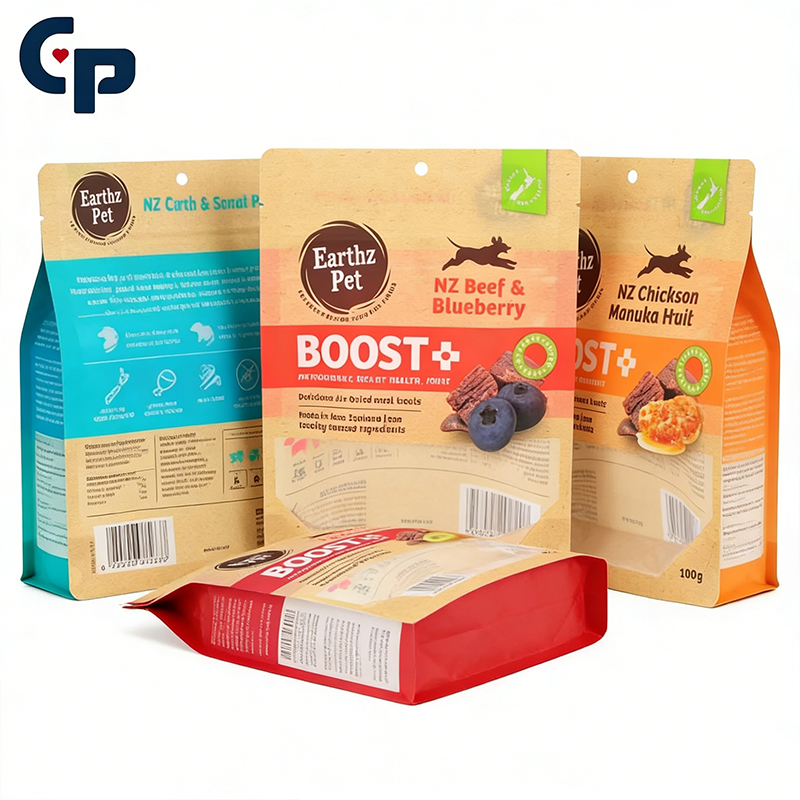
Why Freshness Preservation Is the Most Critical Element in Coffee Packaging
Maintaining Aroma and Flavor Through Advanced Packaging Design
Freshness preservation remains the most essential function of Coffee Packaging. Coffee contains delicate aromatic compounds that define its taste profile. Exposure to oxygen, moisture, or light can degrade these compounds quickly. Advanced packaging materials help protect coffee from these environmental factors. Multi-layer films and foil laminates create effective barriers against oxygen and moisture. These materials extend shelf life while preserving the complex aromas that consumers expect from high-quality coffee. When consumers open a package and immediately notice a rich aroma, it confirms the effectiveness of the packaging design.
Structural Elements That Support Freshness in Coffee Packaging
The structure of coffee packaging also supports freshness preservation. Packaging formats such as flat-bottom bags and quad-seal pouches provide strong structural stability. This stability reduces the risk of air exposure or damage during transportation and storage. Resealable closures also help maintain freshness after opening. When consumers close the bag properly, the packaging continues to protect the coffee from oxygen and humidity. Structural design therefore works together with barrier materials to ensure long-term product quality. These structural elements are essential for maintaining the freshness of roasted coffee beans.
Consumer Trust Built Through Reliable Coffee Packaging
Reliable coffee packaging directly affects consumer trust because freshness, aroma, and product integrity must remain stable from production to brewing. To achieve this, coffee packaging systems combine barrier materials, structural designs, and functional components such as valves and seals. The following overview highlights the key packaging technologies that consistently maintain product quality.
| Packaging Feature | Application in Coffee Packaging | Technical Indicators | Typical Materials | Performance Metrics | Practical Considerations |
| Oxygen Barrier Layer | Prevents oxygen from entering the package and oxidizing coffee oils | Oxygen Transmission Rate (OTR) standard | Aluminum foil laminate, EVOH film, metallized PET | OTR for high-barrier laminate: <1 cc/m²/day (ASTM D3985) | Essential for preserving aroma and extending shelf life |
| Moisture Barrier | Protects coffee beans from humidity and condensation during storage | Water Vapor Transmission Rate (WVTR) | Aluminum foil laminate, PET/PE multilayers | WVTR typically <0.5 g/m²/day (ASTM F1249) | Important for roasted beans stored in humid environments |
| One-Way Degassing Valve | Releases CO₂ produced by roasted beans while preventing oxygen entry | Valve pressure threshold | Polyethylene valve assemblies | CO₂ release pressure typically 2–7 mbar | Required for freshly roasted coffee packed soon after roasting |
| Resealable Zipper Closure | Maintains airtight conditions after opening | Seal strength (ASTM F88) | PE zipper, PP zipper | Typical seal strength: 20–40 N/15 mm | Helps maintain aroma after repeated opening |
| Heat-Sealed Bag Structure | Ensures airtight sealing during production | Seal temperature and dwell time | PET/PE laminate, Kraft/PLA laminate | Heat seal temperature: ~120–180 °C depending on laminate | Critical for preventing oxygen leakage |
| Light Barrier Protection | Blocks UV and visible light that degrade coffee oils | Light transmission percentage | Aluminum foil laminate, metallized PET | Light transmission typically <0.1% | Important for maintaining flavor stability |
| Structural Bag Formats | Protects packaging integrity during shipping and storage | Compression resistance | Quad seal bags, flat-bottom bags, stand-up pouches | Typical load resistance: 5–10 kg stacking strength | Prevents punctures and maintains package shape |
| Shelf Life Performance | Indicates expected freshness retention under proper storage | Shelf life duration | High-barrier laminate structures | Typical roasted coffee shelf life: 6–12 months | Depends on oxygen barrier and storage conditions |
Tip:When designing coffee packaging for premium brands, prioritize oxygen barrier performance and valve quality. Even small improvements in OTR and sealing reliability can significantly extend freshness and reinforce consumer trust in product quality.
The Role of Coffee Packaging Design in Purchase Decisions
Color Psychology and Visual Branding
Color is a powerful communication tool in Coffee Packaging design. Different color palettes can signal flavor intensity, roast level, or brand identity. Dark tones may suggest bold roasted flavors, while bright colors can represent fruity or experimental coffee profiles. Color also influences emotional reactions. Certain shades create feelings of warmth, energy, or sophistication. When brands carefully select colors, they guide consumer expectations before the coffee is even brewed. Consistent color schemes across product lines also help build recognizable brand identity.
Typography and Layout That Improve Readability
Typography plays a key role in communicating information on Coffee Packaging. Clear and readable fonts allow consumers to quickly identify important details such as roast level, origin, and flavor notes. A well-organized layout helps consumers scan packaging information quickly. Key information appears prominently, while supporting details remain easy to read. Balanced spacing also prevents visual clutter and improves the overall appearance of the packaging. Readable design improves the shopping experience because consumers can make decisions quickly and confidently.
Packaging Shape and Structure as a Marketing Tool
Packaging structure can influence consumer perception and shelf presence. Unique Coffee Packaging formats such as stand-up pouches, flat-bottom bags, or cylindrical containers help products stand out among competitors. Distinctive shapes provide larger surfaces for graphics and branding. They also improve usability by allowing packaging to stand upright and remain stable during storage. When structural design combines visual appeal with practical function, packaging becomes both a marketing tool and a functional solution for coffee storage.
Convenience-Focused Coffee Packaging for Modern Consumers
Resealable and Easy-Use Coffee Packaging Features
Ease of use is essential for everyday coffee consumption. Coffee Packaging that opens easily and reseals securely improves the consumer experience. Zipper closures and tin ties allow consumers to access the coffee while maintaining freshness between uses. These features also help reduce spills and product waste. When packaging is simple to use, consumers are more likely to keep the coffee in its original bag rather than transferring it to another container. User-friendly packaging supports consistent daily use and enhances customer satisfaction.
Portable and Single-Serve Coffee Packaging Formats
Portable packaging formats respond to modern lifestyles. Many consumers drink coffee at work, during travel, or in outdoor settings. Compact Coffee Packaging sizes allow easy transport without sacrificing product protection. Single-serve packets and smaller coffee bags provide convenient options for individual consumption. Flexible materials keep the packaging lightweight while still protecting the beans or grounds inside. Portable packaging expands the ways consumers enjoy coffee throughout their daily routines.
Space-Efficient Coffee Packaging for Home Storage
Home storage is another important consideration. Many consumers prefer Coffee Packaging that fits neatly into kitchen cabinets or pantry spaces. Slim pouches and stackable designs help maintain organized storage. Stand-up pouches are particularly popular because they remain upright and allow easy access to the coffee inside. Stable packaging also reduces the risk of spills during use. Space-efficient designs improve the overall convenience of coffee packaging in everyday life.
Sustainability as a Major Driver of Coffee Packaging Choices
Eco-Friendly Materials in Coffee Packaging
Eco-friendly materials are becoming a major focus in Coffee Packaging development. Compostable films, recyclable plastics, and paper-based laminates allow brands to reduce environmental impact while still protecting product quality. Consumers increasingly look for packaging made from renewable or recyclable resources. When packaging clearly communicates its environmental benefits, buyers feel more confident supporting sustainable brands. As environmental awareness continues to grow, eco-friendly packaging materials will remain a key factor in consumer purchasing decisions.
Minimalist Packaging Designs That Reduce Waste
Minimalist design approaches also contribute to sustainable Coffee Packaging. By reducing unnecessary layers and materials, brands can lower packaging waste while maintaining product protection. Minimalist packaging often appears clean and modern. Simple graphics and limited materials create an elegant visual style while supporting environmental responsibility. Reducing packaging complexity helps brands balance sustainability with strong visual presentation.
Sustainability Messaging on Coffee Packaging
Sustainability information on coffee packaging helps consumers quickly understand the environmental value of a product. Brands often communicate this through certification labels, recycling instructions, and material disclosures. Clear and structured messaging improves transparency while guiding consumers on proper disposal or recycling methods.
| Sustainability Element | Application in Coffee Packaging | Technical Standards / Certifications | Typical Materials | Key Parameters & Indicators | Practical Notes |
| Recyclable Packaging Label | Printed on coffee bags or pouches to indicate the packaging can enter recycling streams | SPI Resin Identification Code / EU Recycling Symbols | LDPE, HDPE, PP multilayer films | LDPE (#4) density: 0.91–0.94 g/cm³; melting point: ~105–115 °C | Must include clear recycling symbol and region-specific disposal guidance |
| Compostable Packaging Label | Shows packaging can break down under controlled composting conditions | EN 13432 / ASTM D6400 | PLA films, cellulose films, kraft paper laminates | Composting temperature: 55–60 °C; biodegradation ≤180 days | Most require industrial composting facilities rather than home compost |
| FSC Certification Label | Indicates paper used in coffee packaging comes from responsibly managed forests | FSC Chain of Custody Certification | Kraft paper, paperboard laminates | Typical paper grammage: 60–120 g/m² | Builds consumer trust in sustainable sourcing of paper materials |
| Carbon Footprint Disclosure | Displays lifecycle carbon emissions associated with packaging production | ISO 14067 Carbon Footprint Standard | Paper laminates, aluminum laminates, plastic films | Coffee pouch carbon footprint: typically ~50–150 g CO₂e per pouch (varies by structure) | Often supported by lifecycle assessment reports |
| Recycling Instruction Panel | Provides consumer guidance for disposing multilayer packaging | Local labeling systems (How2Recycle, EU sorting labels) | Paper–plastic laminates, foil barrier laminates | Requires separation instructions when layers differ | Improves recycling compliance and reduces contamination |
| Biobased Material Label | Indicates packaging contains renewable biological materials | EN 16640 Biobased Carbon Content | PLA, bio-PE from sugarcane | Biobased carbon content typically ≥20–80% | Should clearly distinguish from “biodegradable” claims |
| QR Code Sustainability Link | Connects packaging to digital sustainability reports or supply chain data | Emerging Digital Product Passport systems | Any packaging format | Recommended QR code size ≥15 mm for reliable scanning | Enables brands to provide extended sustainability information online |
Tip:When communicating sustainability on coffee packaging, clearly distinguish between recyclable, compostable, and biobased claims. Precise labeling helps consumers dispose of packaging correctly and strengthens brand credibility.
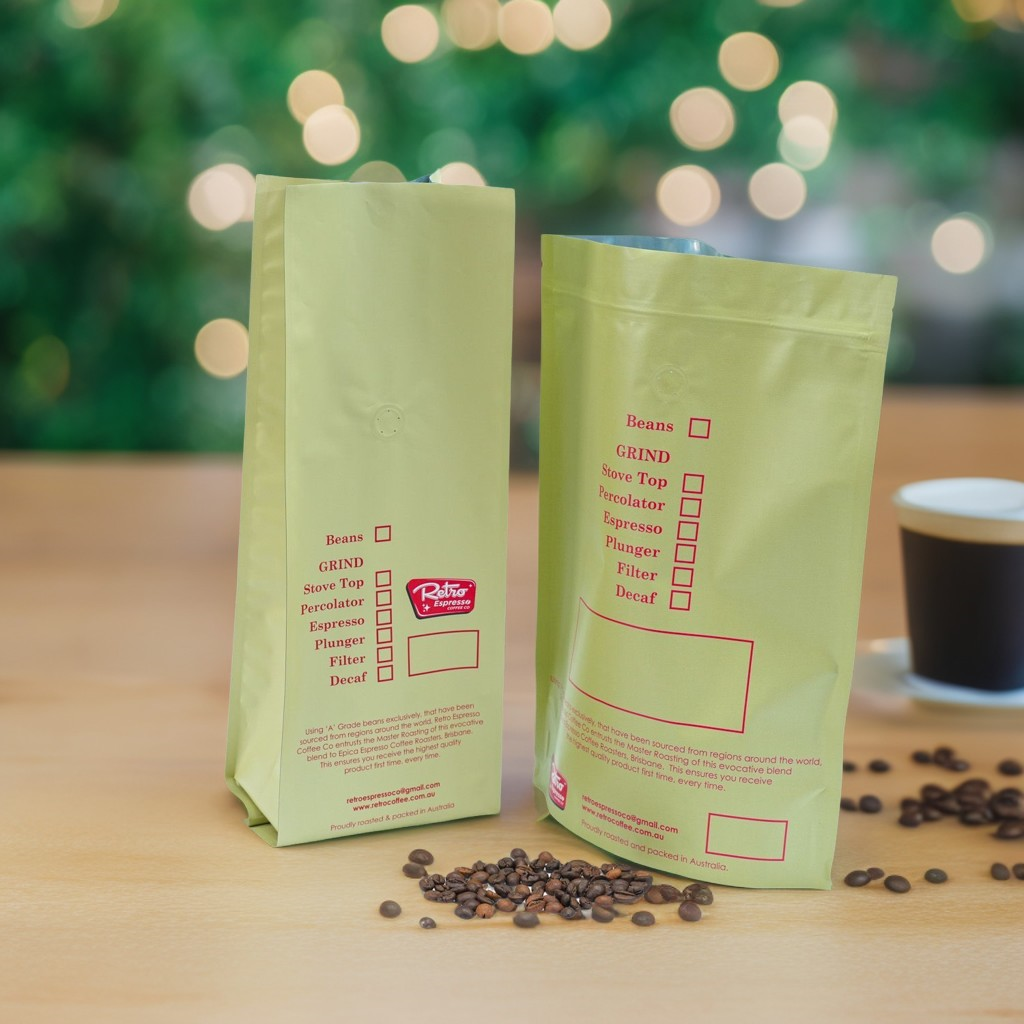
How Coffee Packaging Builds Brand Identity and Loyalty
Consistent Visual Identity Across Coffee Packaging Lines
Consistency is essential for brand recognition. When all Coffee Packaging products share similar design elements such as colors, typography, and logos, consumers can easily identify the brand. A consistent visual identity also communicates professionalism and reliability. Consumers often trust brands that present a clear and unified image across their product lines. Over time, consistent packaging design strengthens brand recognition in both retail stores and online marketplaces.
Premium Packaging Experiences That Increase Perceived Value
Premium packaging finishes enhance the perceived value of coffee products. Textured surfaces, matte coatings, and embossed details give Coffee Packaging a refined and high-quality appearance. These design features also improve the tactile experience when consumers hold the product. A package that feels premium often suggests that the coffee inside is equally high quality. Premium packaging design therefore supports strong brand positioning and product differentiation.
Coffee Packaging as a “Silent Salesperson”
Packaging often acts as a silent salesperson for coffee brands. On store shelves or online listings, Coffee Packaging communicates brand identity, product quality, and flavor expectations without direct interaction. Consumers frequently make purchasing decisions quickly. A well-designed package delivers key information and visual appeal within seconds. When packaging effectively communicates value and quality, it becomes one of the most powerful marketing tools available to coffee brands.
Conclusion
Consumers evaluate Coffee Packaging through freshness protection, convenience, sustainability, transparency, and visual appeal. Effective packaging preserves aroma, communicates product information, and strengthens brand identity. When these elements work together, they improve shelf visibility and encourage repeat purchases. Qingdao Colorful Printing Packaging Co., Ltd. provides professional coffee packaging solutions with reliable barrier materials, customizable designs, and high-quality printing, helping brands protect coffee freshness while enhancing product presentation and market competitiveness.
FAQ
Q: What do consumers look for in Coffee Packaging?
A: They value freshness, convenience, sustainability, and clear product information.
Q: Why is freshness important in Coffee Packaging?
A: Freshness-focused Coffee Packaging protects aroma and flavor using valves and barrier materials.
Q: How does Coffee Packaging influence buying decisions?
A: Attractive Coffee Packaging builds trust and catches attention on crowded shelves.
Q: What features improve Coffee Packaging usability?
A: Easy-open seals and resealable Coffee Packaging improve everyday convenience.
Q: Is sustainable Coffee Packaging important to consumers?
A: Yes. Many buyers prefer recyclable or compostable Coffee Packaging materials.


