


Shifting from rigid containers to flexible packaging slashes shipping costs drastically. It also strongly appeals to eco-conscious consumers who value everyday portability. However, this transition frequently introduces highly specific engineering challenges directly onto your production floor. Selecting the wrong filling method or mismatched dosing equipment often leads to disastrous product leakage. You might face seal contamination, costly material waste, and severely reduced shelf life. Production lines stall when operators misunderstand how their specific fluid interacts with automated machinery.
This comprehensive guide provides production managers and packaging engineers with a reliable, actionable decision framework. We will systematically explore how to align pouch architecture, material viscosity, and machine technology. You will learn proven strategies to achieve scalable, fully compliant, and highly efficient manufacturing output.
Architecture Dictates Machinery: Your choice between spout-fill, top-fill, or side-fill spouted stand up pouches determines the specific capping and sealing equipment required.
Viscosity is the Primary Variable: Fluid dynamics dictate dosing tech—pump fillers for thin liquids, piston fillers for viscous gels, and augers for powders.
Quality Control is Non-Negotiable: Advanced lines utilize ultrasonic sealing, UV sterilization, and machine vision to prevent leaks and ensure compliance.
Capacity Planning: Fill volume should never exceed 80-90% to allow for proper thermal expansion and seal integrity.
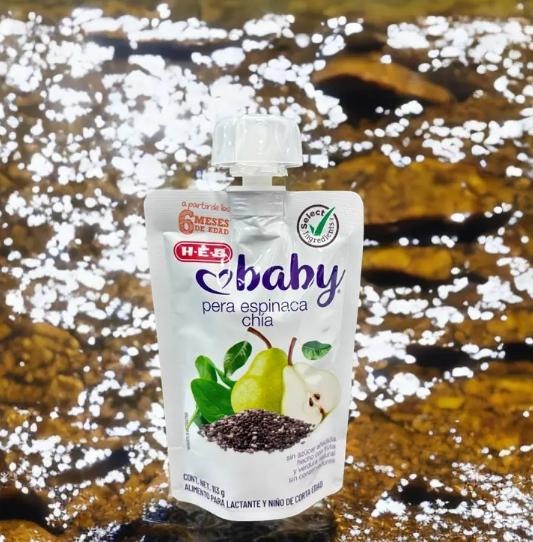
You must treat pouch architecture as your very first procurement decision. The physical design of your packaging directly dictates what machinery you need to purchase or modify. A mismatch here guarantees costly workflow bottlenecks. Your chosen design must align seamlessly with the facility's existing or planned engineering capabilities.
The most common approach for fully automated lines involves filling directly through the existing nozzle. The packaging supplier delivers pouches fully sealed on all margins. Only the rigid spout remains open. Machinery injects your product straight down through this narrow nozzle. Automated turrets then immediately apply and torque the cap.
Best For: Standard liquids, beverages, and highly automated lines aiming for maximum throughput. It works exceptionally well when you require speeds exceeding 100 units per minute.
Many brands prefer the top-fill method. Here, you procure Spouted stand up pouches where the spout and cap already sit securely sealed into the top corner or center margin. The entire top edge of the flexible film remains completely unsealed. Machines drop the product into this wide top opening. Afterward, heated jaws clamp down to create the final hermetic top seal.
Best For: Products containing suspended particulates, like fruit purees or chunky sauces. It also suits facilities already utilizing standard pouch-filling machinery lacking specific spout-injection modules.
The side-fill approach handles highly irregular packaging requirements. The top and bottom margins arrive sealed. The spout comes pre-capped. However, one side gusset remains entirely unsealed. You introduce the product laterally through this side void before applying a final vertical heat seal.
Best For: Highly uniquely shaped packaging designs or applications utilizing micro-spouts. When a standard filling nozzle simply cannot fit into the spout opening, side-filling offers a reliable workaround.
Architecture Comparison Chart
Filling Method | Entry Point | Primary Machinery Needed | Ideal Product Types |
|---|---|---|---|
Through the Spout | Pre-installed nozzle | Spout injector & rotary capper | Thin liquids, juices, simple gels |
Top-Fill | Open top margin | Wide-mouth doser & heat sealer | Particulates, purees, thick sauces |
Side-Fill | Unsealed side gusset | Lateral injector & vertical sealer | Micro-spout products, irregular shapes |
Incorrect dosing methodology consistently drives up your Total Cost of Ownership (TCO). When fluid dynamics clash against improper machinery, you experience severe product waste. You suffer from inaccurate package weights. Machine downtime spikes dramatically. Understanding viscosity represents your best defense against these operational failures.
Pump fillers handle free-flowing fluids flawlessly. They use mechanical pumps to push liquids continuously from a holding tank directly into the package. These systems excel at maintaining continuous, rapid motion.
Ideal applications: Bottled water, sports beverages, broths, and thin hand sanitizers.
Operational benefits: They achieve incredibly high speeds. You can easily integrate them into continuous rotary machines for massive production runs.
Thick materials resist gravity and flow poorly. Piston fillers solve this by utilizing a mechanical cylinder. The piston pulls back, drawing a precise volumetric measurement of dense product into a chamber. It then forcefully pushes this exact volume out into the packaging.
Ideal applications: Body lotions, heavy barbecue sauces, raw honey, and cosmetic gels.
Operational benefits: They guarantee highly accurate fill weights, preventing you from accidentally giving away expensive product.
Implementation Tip: Slightly heating high-viscosity products right before dosing drastically improves the flow rate. This simple temperature adjustment reduces mechanical strain on your piston seals.
Dry products require completely different engineering. Auger fillers use a rapidly spinning screw mechanism. This screw sits inside a funnel. As it turns, it drives a precise amount of dry material downward. You absolutely need auger mechanisms when utilizing a spout pouch for dry goods.
Ideal applications: Whey protein powders, dry baking mixes, or powdered nutritional supplements intended for easy consumer dispensing.
Operational benefits: They prevent severe dust clouds from contaminating the facility and keep granular weights highly consistent.
Understanding the standard automated workflow sets realistic expectations for equipment capabilities. Whether you operate an in-line conveyor or a complex rotary dial system, the core procedural steps remain remarkably consistent.
Loading & Positioning: Operations begin at the magazine. Robotic grippers transfer pre-made, empty pouches from the magazine cartridge directly onto the rotary dial or moving conveyor tracks. Precise positioning prevents misalignments downstream.
Opening: The machine must gently separate the film layers. Advanced systems use vacuum suction cups applied to both outer faces. Others use specialized mechanical arms or highly precise bursts of compressed air. This forces the pouch fully open without tearing the internal barrier film.
Sterilization (Compliance Check): Food and pharmaceutical applications require strict sanitization. Before any product enters, machines apply intense UV light treatments. They might also blast hot air or spray chemical sanitizing rinses across the interior surfaces. This step guarantees rigorous compliance standards.
Filling: The dosing head drops into position. Depending on your material, the machine dispenses the product using either gravimetric (weight-based) or volumetric (volume-based) controls. Precision here prevents splashing.
Sealing & Capping: This stage secures the package. For top-fill designs, heavy mechanical jaws apply hermetic seals via extreme heat or ultrasonic waves. For spout-filled designs, automated torquing heads spin caps tightly onto the threads. Built-in sensory modules immediately detect stripped threads or crooked caps.
Discharge & Quality Check: The machine releases the completed units. Conveyors route them toward secondary packaging stations. Integrated scales routinely reject any units falling outside acceptable weight parameters.
Quality assurance directly mitigates financial risk. A single bad batch ruins retailer relationships and devastates brand trust. You must actively safeguard your brand against unseen spoilage and micro-leaks during the sealing phase.
Oxygen degrades organic products rapidly. It destroys delicate flavor profiles and causes discoloration. You must implement Nitrogen flushing prior to the final sealing stage. A dedicated nozzle blasts pure nitrogen gas into the package headspace. This displaces all ambient oxygen. It effectively maximizes the shelf life for sensitive goods like organic baby food or cold-brew coffee.
Securing the film layers requires manipulating material science. Manufacturers generally choose between two distinct technologies to achieve a perfect hermetic bond.
Sealing Technology | Mechanism of Action | Best Applications | Primary Drawback |
|---|---|---|---|
Traditional Heat Sealing | Relies on a calculated combination of time, direct temperature, and mechanical pressure to melt film layers together. | Standard liquids, highly robust packaging films, and budget-conscious operations. | Can scorch heat-sensitive products; fails if liquid splashes onto the seal area. |
Ultrasonic Sealing | Uses high-frequency acoustic vibrations to generate localized friction. This localized heat welds the plastic internally. | Heat-sensitive chemicals, dairy products, and operations requiring a perfectly clean aesthetic. | Requires higher initial capital investment for the specialized acoustic machinery. |
Human inspectors cannot reliably track flaws at high speeds. Advanced lines integrate powerful machine vision systems. High-speed cameras instantly verify correct cap placement and alignment. Furthermore, automated X-ray inspection modules scan passing units to identify dangerous foreign contaminants. They can even spot microscopic leaks hiding within the seams. Crucially, they accomplish all this without ever slowing down the standard 50–100 pouches per minute line speed.
Setting up a new automated line exposes teams to several common failure points. Demonstrating true engineering experience means recognizing these exact pitfalls long before they stall your production.
You must rigorously respect the 80-90% fill threshold. Novice operators frequently try to maximize package volume to give consumers more product. This represents a catastrophic mistake. Think of an overfilled sandwich. When you press the bread together, the filling violently squishes out the sides.
The Risk: Overfilling forces raw liquid directly up into the critical seal zone. This contamination immediately compromises the hermetic bond. You will experience massive blowouts during transit when altitude and temperature changes force the internal liquids to expand.
Not all flexible films handle aggressive chemistry equally. Standard Polyethylene (PE) films work wonderfully for plain water. However, they degrade rapidly when exposed to high-acid fruit juices, extreme heat environments, or harsh cleaning chemicals.
The Solution: You must analyze your specific chemical makeup during the early procurement phase. Specify robust multi-layer barrier films. A laminated structure combining PET, Aluminum foil, and PE inner layers provides ultimate protection against aggressive acidity and chemical degradation.
During top-fill operations, sloppy dosing causes severe headaches. Sticky lotions or particulate-heavy marinades easily splash onto the upper heat-seal margins. Even a tiny drop of oily residue prevents the film layers from bonding permanently.
The Solution: Upgrade your machinery configurations. Implement specialized anti-drip nozzles that cleanly cut off fluid flow. Additionally, install precise fill-level sensors. These sensors guarantee the machinery stops dispensing well below the critical sealing margin.
By actively mitigating these three specific risks, your operations team will drastically reduce setup timelines and prevent catastrophic material waste.
Successfully transitioning your production requires a carefully calibrated decision matrix. You must perfectly balance your product's unique physical properties—such as fluid viscosity and acidity—against your hard output requirements. What works for a manual pilot run of fifty units will inevitably fail on a high-speed automated rotary line running thousands of cycles per hour. Understanding the nuances of pouch architecture and targeted dosing mechanisms ensures a highly profitable manufacturing environment.
Take action on these critical next steps:
Contact equipment manufacturers and demand extensive sample testing using your actual fluid products.
Verify piston and auger dosing accuracy at your target production speeds.
Test seal strength rigorously before committing capital to a specific machine architecture.
Audit your current film materials to ensure they handle heat expansion and chemical stress safely.
A: Always maintain a strict 10-20% headspace when establishing your fill levels. This empty space safely absorbs internal pressure changes caused by thermal expansion during transit. Crucially, it prevents product from splashing upward and contaminating the hermetic seal margins during the final sealing process.
A: Yes, provided you utilize highly modular automated systems. Many packaging co-packers invest in a single, robust base chassis. They then simply swap out the specific dosing heads. You can alternate between a piston module for thick gels and an auger module for powders depending on the daily production schedule.
A: You should primarily utilize powerful piston-driven fillers. They generate the mechanical force needed to push dense gels. Furthermore, strongly consider adopting a top-filling architecture instead of attempting to force thick material through a narrow nozzle. Finally, gently heat the product in the holding tank to lower its natural resistance to flow.

