
Views: 0 Author: Site Editor Publish Time: 2026-07-18 Origin: Site


The Ready-to-Drink (RTD) beverage sector is experiencing intense margin compression. Rising freight costs and supply chain volatility squeeze profits daily. Brands must find innovative ways to survive in this economic climate. Many are actively migrating from traditional rigid formats like glass and PET. They now favor flexible alternatives to optimize operational economics. We see this transition accelerating rapidly across the globe. You can optimize production and distribution by rethinking your structural packaging completely. Material science advancements make this transition safer and significantly more profitable. This article offers an objective evaluation of why flexible solutions are gaining market share. We will explore supply chain efficiencies, material science, and B2B implementation realities. You will learn exactly how making the switch impacts logistics and product safety. Let us examine the mechanics behind this massive industry shift.
Logistics ROI: Empty spouted pouches require significantly less warehouse space and reduce outbound freight tare weight by up to 90% compared to glass.
Shelf-Life Security: Multi-layer laminate structures offer customizable oxygen and UV barriers equivalent to or exceeding standard PET.
Consumer Alignment: Ergonomic, shatter-proof designs cater directly to the on-the-go RTD consumption trend.
Implementation Caveat: Transitioning to pouch packaging requires upfront assessment of filling equipment compatibility and co-packing networks.
The RTD market moves incredibly fast right now. Margin preservation remains the top priority for beverage brands today. Lightweight flexible packaging successfully offsets rising raw material costs. Shipping heavy glass bottles drains profit margins incredibly quickly. Flexible formats weigh a fraction of their rigid container counterparts. This translates directly to heavily reduced shipping and fuel expenses.
Retailer demands also push brands toward flexible shelf solutions. Supermarkets prefer shatter-proof items on their valuable retail shelves. Broken glass causes safety hazards and immediate product loss. Space-efficient shelf displays allow stores to stock more unique SKUs. Retailers want products facing forward, looking pristine and organized constantly.
Consumers demand convenience above almost everything else today. Aligning packaging durability to active lifestyles matters deeply to buyers. People take their beverages to outdoor events, gyms, and trails. Traditional bottles pose safety risks in many active environments. You cannot easily slip a large glass bottle into a small gym bag. Flexible designs bend and flex perfectly to fit anywhere. They cater to our modern, on-the-go consumption habits effortlessly. Brands notice this behavioral shift and adjust their formats accordingly.
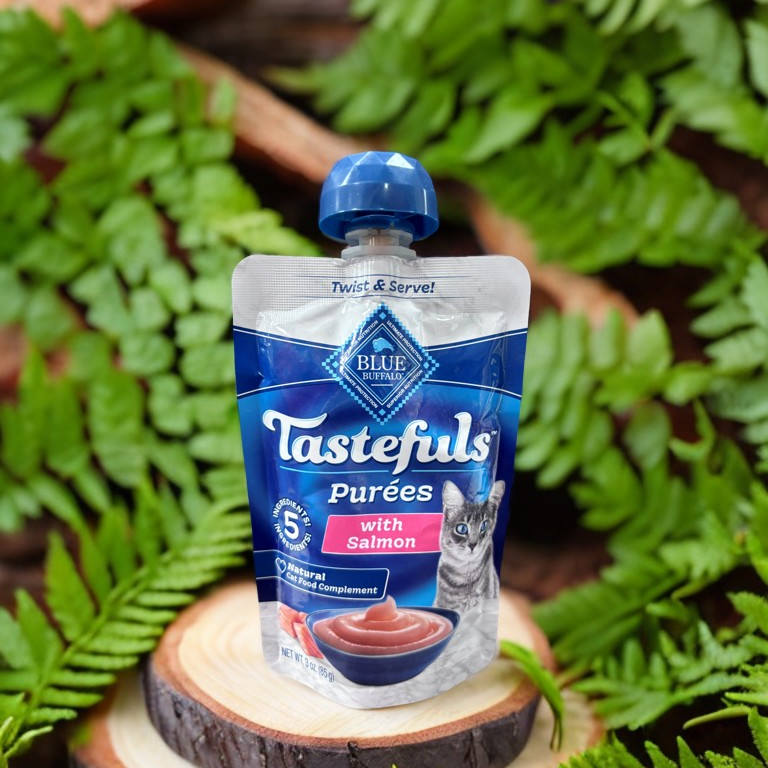
Let us compare the storage footprint of flat materials versus rigid shapes. Un-filled pouches arrive completely flat in highly dense cardboard boxes. Empty rigid bottles ship filled mostly with useless air. One truckload of flat flexible materials equals roughly twenty-five truckloads of glass bottles. This dramatic truckload yield ratio changes warehouse dynamics entirely. You free up massive amounts of premium warehouse floor space. Procurement teams hold more inventory in much smaller holding facilities. Operations managers appreciate avoiding daily truck deliveries of empty containers. This single logistical pivot saves substantial warehousing overhead.
We must quantify the distinct weight difference per single unit. A standard glass bottle can easily weigh 200 grams empty. A flexible pouch holding the exact same volume weighs roughly 15 grams. This removes massive amounts of dead weight from your shipping manifests. You evaluate the fuel and carbon footprint reductions almost immediately. Transporting less packaging material means moving more actual product per trip. Trucks usually hit their volume limits long before hitting weight limits. This maximizes freight efficiency and lowers emissions significantly across the board. We suggest checking spouted pouches to see real-world lightweighting examples. They demonstrate exactly how much tare weight you can eliminate.
Analyze the total reduction in product loss during transit. Glass shatter risks constantly plague traditional beverage distribution networks everywhere. A single dropped pallet of glass bottles means thousands of dollars lost. Flexible packaging handles sudden drops and heavy impacts gracefully. You eliminate glass shatter risks entirely during daily product handling. Shrinkage numbers plummet rapidly when utilizing flexible packaging solutions. Operations teams spend less time cleaning up messy, dangerous warehouse spills. This keeps workflows smooth and profit margins safely protected.
The following comparison illustrates standard logistical metrics across packaging types.
Packaging Format | Empty Unit Weight (500ml) | Truckload Yield (Empty) | Breakage Risk |
|---|---|---|---|
Glass Bottle | 200g - 250g | ~40,000 units | High |
PET Bottle | 20g - 30g | ~100,000 units | Low |
Flexible Pouch | 10g - 15g | ~1,500,000 units | Negligible |
Barrier protection dictates how long a beverage remains safe and tasty. Modern drink pouch packaging relies on highly advanced polymer chemistry. Let us break down the essential layers utilized in manufacturing. Material science uses distinct laminations to build robust structural integrity.
PET (Polyethylene Terephthalate): Acts as the tough outer printable layer. It resists scuffing during transit.
AL (Aluminum Foil) or EVOH: Provides the critical core barrier layer. This stops gasses and light.
PE (Polyethylene): Forms the inner food-contact and heat-sealing layer. It ensures safe product containment.
Every single layer plays a vital role in keeping products pristine.
How do specific foil or clear-barrier films prevent rapid oxidation? Oxygen degrades flavor profiles and destroys delicate nutrients over time. UV degradation impacts beverage color and internal vitamin stability quickly. Laminating an aluminum foil layer blocks out 100% of light and oxygen. Clear EVOH layers provide excellent oxygen barriers while remaining totally transparent. Brands choose the barrier layer based on very specific shelf-life goals. We see RTD brands easily matching the standard shelf-life of traditional formats.
Assessing burst strength requirements remains critical for modern commercial distribution. E-commerce distribution puts packages through brutal drops and heavy impacts. Seal integrity prevents messy, brand-damaging leaks during rough last-mile deliveries. Pallet stacking forces heavy compression weights on bottom-tier products in warehouses. Proper leak prevention requires carefully calibrated heat seals along every edge. Engineers test these seals under extreme pressure to ensure total reliability. You want packages to survive transit from the factory directly to the consumer safely.
Marketing teams absolutely love the billboard effect of flexible designs. Utilizing the entire surface area maximizes retail visibility dramatically. A stand up spout pouch provides a vast, un-interrupted branding canvas. You can leverage 360-degree high-definition branding for maximum visual impact. Brands use rotogravure and digital printing to achieve stunning photo-quality graphics. They catch the modern consumer's eye much faster than simple bottle labels. Shelf differentiation drives initial trial in heavily crowded supermarket aisles. Digital printing also allows for cost-effective seasonal promotions and short-run campaigns.
Next, consider product waste and varying consumer evacuation rates. Nobody likes throwing away expensive residual product stuck in rigid bottles. Flexible pouches allow consumers to squeeze out nearly 100% of the contents. This works exceptionally well for viscous or semi-viscous beverage products. Smoothies, meal replacements, and thick yogurt drinks benefit massively from this format. Consumers feel they receive much better value for their hard-earned money. They enjoy a far more interactive and satisfying daily consumption experience.
Evaluating fitment usability ensures broad and lasting demographic appeal. Fitments must feel highly intuitive and function perfectly every single time. We must address strict choke-hazard compliance for younger demographics specifically. Caps require careful sizing to meet rigid global safety regulations. Tamper-evident rings reassure cautious buyers about product safety and internal integrity. Ergonomic cap designs make opening quite easy for varying age demographics. From small toddlers to older seniors, usability dictates repeat purchase behavior heavily.
Transitioning formats requires a very realistic look at factory operations. Filling line compatibility determines your initial capital expenditure upfront. Rotary pouch fillers work brilliantly for high-speed, continuous operations in large plants. Inline pouch fillers suit smaller runs and require much less floor space. You must align your equipment choice strictly with your production volume goals. Do not overcapitalize on equipment if your volumes remain relatively low.
Deciding between filling methods shapes your entire supply chain strategy. Buying pre-made pouches means filling through the spout on dedicated lines. This approach offers lower upfront equipment costs and high operational flexibility. Automated in-line pouch forming uses Form-Fill-Seal (FFS) technology continuously. FFS machines form the pouch directly from a massive roll of film. This requires higher capital investment but lowers the per-unit material cost significantly. You must weigh capital expenditure directly against long-term operational savings.
Processing methods heavily influence film material specifications and chemical tolerances. Auditing film thermal tolerances prevents disastrous and expensive production failures. Hot fill processing requires films capable of withstanding near-boiling temperatures safely. Cold fill processing uses less robust films but requires highly sterile environments. We also evaluate compatibility with pasteurization or intense retort processing. High-pressure processing (HPP) demands specific seal strengths to survive extreme water pressure. You must match the material precisely to your thermal and pressure requirements. Common mistakes include using standard films for aggressive retort applications.
Choosing the right supplier guarantees a smooth and profitable transition. Use this numbered checklist to evaluate potential manufacturing partners accurately:
Certifications: Verify all FDA, GFSI, and BPA-free compliance documents immediately upon engagement. Direct food-contact materials demand absolute regulatory adherence and traceable safety records always. Do not accept expired or heavily redacted certification documents from vendors.
Prototyping & Testing: Never skip the physical testing phase of product development. You must conduct rigorous drop tests and burst tests on all prototypes. Perform long-term compatibility testing against your specific beverage acidity and raw ingredients. Highly acidic ingredients often attack specific polymer layers over extended time.
Supply Chain Resilience: Assess the manufacturer's operational stability and financial health thoroughly. Audit their average supplier lead times and required Minimum Order Quantities (MOQs). Compare local manufacturing flexibility against the raw cost savings of overseas trade-offs. Local suppliers offer agility, while overseas partners often win on unit price.
Balancing these specific factors ensures long-term commercial success and stability. You need a deeply invested partner, not just a transactional vendor.
Spouted pouches offer a highly verifiable advantage in modern supply chains. They improve logistics, boost sustainability metrics, and enhance retail shelf presence. RTD brands secure much higher margins if they manage the transition correctly. The flexible format aligns perfectly with current mobile consumer lifestyles everywhere. You eliminate costly glass breakage and drastically reduce your outbound freight weight.
Encourage your packaging engineers to request physical samples immediately. Brand managers should conduct small-scale pilot fill tests very soon. Do this long before committing to a full structural redesign. Evaluate the consumer feedback from these pilot runs extremely carefully. Map out your co-packing network to ensure filling capability exists locally. Taking these calculated steps minimizes risk while unlocking massive operational benefits.
A: Current recycling capabilities focus heavily on store drop-off programs. Mono-material PE-only structures are fully recyclable through these specialized soft-plastic streams. Traditional multi-layer laminates containing foil usually end up in landfills. Brands increasingly adopt mono-materials to improve their environmental footprint while maintaining performance.
A: Flexible packaging struggles with high-pressure carbonation. Traditional flexible films balloon and distort under internal gas expansion. While some specialized structures exist for low-carbonation drinks, rigid formats remain superior for highly carbonated beverages. The barrier layers stretch, risking micro-fractures and rapid carbonation loss.
A: Shelf life is entirely dependent on the engineered barrier layers. Structures utilizing EVOH or aluminum foil block oxygen and light perfectly. When specified correctly, these packages match the shelf life of traditional rigid alternatives. Beverage sensitivity dictates exactly which layer combination engineers will deploy.

