
Views: 182 Author: Site Editor Publish Time: 2025-09-15 Origin: Site


Packaging plays a crucial role in modern retail, from maintaining freshness to enhancing shelf appeal. Among the many packaging formats available today, flat bottom bags stand out as one of the most versatile and visually striking options. Their structured design, functional benefits, and growing popularity across industries like coffee, pet food, and snacks make them an essential solution for brands looking to balance practicality with premium presentation.
Flat bottom bags, sometimes called block bottom bags or box pouches, are flexible packaging formats designed with a stable, box-like structure. Unlike stand-up pouches or gusset bags, they feature a flat rectangular base that allows them to stand upright securely on store shelves. This design not only maximizes storage efficiency but also provides more printable surface area for branding.
Flat bottom bags typically include multiple panels: front, back, two gusseted sides, and a flat bottom. This five-panel structure enables brands to showcase designs and product information from multiple angles, making them particularly attractive for premium goods. Their durability and shape make them ideal for heavier products, while their efficient use of space reduces transportation costs.
The unique architecture of flat bottom bags is the foundation of their advantages. Each component serves a specific role in creating balance, strength, and display potential.
| Component | Function |
|---|---|
| Flat Rectangular Base | Provides stability and allows the bag to stand upright without support |
| Side Gussets | Expand to increase bag capacity while maintaining shape |
| Resealable Zipper | Keeps contents fresh and extends shelf life |
| Five Printable Panels | Maximizes branding and product information space |
| Barrier Layers | Protect against oxygen, light, and moisture |
This engineered design ensures that flat bottom bags can handle products ranging from light snacks to dense pet foods, while still appearing sleek and professional.

Flat bottom bags are not just a packaging choice; they are a strategic branding tool. Their structure enhances both product protection and consumer experience.
Shelf Appeal: Their upright, box-like shape creates a premium look that differentiates products in crowded aisles.
Efficient Storage: Because of their rectangular base, they fit neatly into shipping boxes and store shelves, reducing wasted space.
Versatile Sizing: Available in small, medium, and large sizes, flat bottom bags can adapt to a wide range of products.
Sustainability Options: Many manufacturers now produce recyclable or compostable flat bottom bags, appealing to eco-conscious consumers.
Branding Impact: The five-panel design provides extensive real estate for high-quality graphics, storytelling, and nutritional information.
For businesses, the combination of aesthetics and functionality directly translates into improved consumer perception and stronger brand loyalty.
To better understand the distinct value of flat bottom bags, it is useful to compare them with other common packaging solutions.
| Packaging Type | Strengths | Weaknesses |
|---|---|---|
| Flat Bottom Bags | High stability, premium branding, efficient storage | Higher production cost compared to simple pouches |
| Stand-Up Pouches | Lightweight, cost-effective, resealable | Less stable when displayed on shelves |
| Quad Seal Bags | Strong structure, good for large volumes | Less printable surface compared to flat bottom bags |
| Paper Bags | Eco-friendly, low cost | Limited durability, not always resealable |
This comparison highlights why many premium brands transition from basic pouches to flat bottom bags—especially when shelf presence and product protection are priorities.
Flat bottom bags have gained traction in multiple sectors thanks to their adaptability. Their stability, resealable features, and professional look align with the needs of both food and non-food products.
Coffee and Tea: Flat bottom bags preserve aroma and freshness with one-way degassing valves, while the upright shape enhances shelf presentation.
Pet Food and Treats: Their strength supports heavier weights, and resealable zippers maintain freshness for repeat use.
Snacks and Confectionery: Transparent windows can be incorporated to showcase products, appealing to consumer curiosity.
Nutritional Supplements: Their modern design conveys reliability and premium quality, crucial in health-focused markets.
Household Items: Beyond food, detergents, and dry goods benefit from their durable, spill-resistant design.
The versatility of flat bottom bags ensures that businesses across industries can leverage the same packaging solution while tailoring features to product-specific needs.
Sustainability in packaging is no longer optional—it’s a consumer expectation. Flat bottom bags have evolved to address this demand without sacrificing performance.
Manufacturers now offer options such as recyclable plastics, biodegradable films, and paper-based laminates. These innovations reduce environmental impact while retaining the protective barrier properties needed to extend product shelf life. Additionally, because flat bottom bags use less material compared to rigid packaging, they help brands minimize carbon footprints in production and shipping.
By combining eco-friendly materials with a highly efficient structure, flat bottom bags align well with global sustainability trends and regulatory shifts in packaging standards.
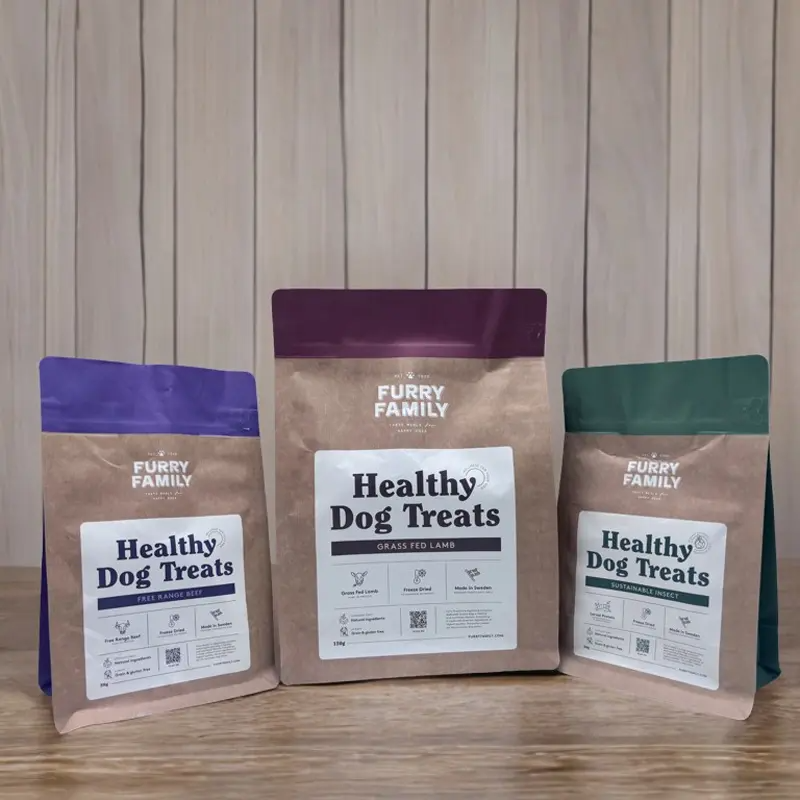
Selecting flat bottom bags requires careful consideration of product requirements, branding goals, and sustainability commitments.
Key factors include:
Material Selection: Barrier strength for moisture-sensitive or perishable goods.
Closure Mechanism: Options include resealable zippers, tear notches, or heat seals.
Size and Volume: Small sizes suit single-serve snacks, while larger formats accommodate bulk products.
Custom Features: Transparent windows, matte finishes, or metallic foils enhance differentiation.
Sustainability Needs: Compostable or recyclable structures appeal to eco-aware consumers.
A thoughtful approach ensures that flat bottom bags not only protect products but also support overall brand strategy.
Flat bottom bags represent a fusion of practicality and premium presentation. Their box-like stability, extensive branding surfaces, and customizable features make them an essential packaging choice for modern businesses. Whether for coffee, pet food, or health supplements, these bags deliver a balance of consumer convenience, sustainability, and brand visibility that traditional packaging often lacks. For companies seeking a packaging format that elevates both function and perception, flat bottom bags stand as a future-ready solution.
1: What makes flat bottom bags different from stand-up pouches?
Flat bottom bags have a rectangular base that provides superior stability and more branding space compared to the round-bottom design of stand-up pouches.
2: Are flat bottom bags suitable for heavy products?
Yes, their multi-panel construction and reinforced base make them ideal for packaging heavy items like pet food and bulk grains.
3: Can flat bottom bags be eco-friendly?
Absolutely. Many manufacturers now produce recyclable or compostable flat bottom bags, helping brands meet sustainability goals.
4: What industries commonly use flat bottom bags?
They are widely used in coffee, tea, pet food, snacks, supplements, and even non-food products like detergents.
5: Do flat bottom bags cost more than other packaging types?
Generally, yes. Their premium structure and customization options make them slightly more expensive than basic pouches, but the investment is often offset by stronger branding and higher perceived product value.

