
Views: 0 Author: Site Editor Publish Time: 2025-10-24 Origin: Site


When it comes to packaging for pet food, one of the most important factors that cannot be overlooked is food safety. Whether you’re a pet food manufacturer, a retailer, or a pet owner, ensuring that the food stays fresh, safe, and protected from contaminants is crucial for maintaining both the health of pets and the quality of the products. Pet food bags are not just packaging; they are the guardians of the pet food’s integrity. In this article, we will explore the importance of food safety in pet food packaging, common issues pet food bags face, and the best practices for ensuring that your packaging meets the highest standards.
Pet food bags serve as more than just a vessel for holding food. They are designed to protect the contents from moisture, air, contaminants, and pests, all of which can compromise the nutritional value and safety of the food. Given the sensitivity of pet food to environmental factors, understanding the role of the packaging in ensuring food safety is critical for any brand.
The primary purpose of pet food bags is to maintain the freshness of the product by preventing oxidation, moisture buildup, and contamination. Pet food, just like human food, can spoil if exposed to the wrong conditions. Improper packaging can lead to stale food, loss of nutrients, and in the worst-case scenario, contamination that could lead to health risks for pets.
Key factors that make pet food bags critical for food safety include:
Barrier Protection: Effective barrier materials prevent the entry of oxygen, moisture, and light, which can degrade food quality.
Tamper Evidence: High-quality pet food bags have tamper-evident seals to ensure that the food has not been opened or contaminated before purchase.
Pest Protection: Packaging materials prevent the infiltration of pests like rodents, insects, or other animals, which could contaminate the food.
The choice of material used for pet food packaging plays a significant role in food safety. Materials that provide strong barriers against moisture, air, and light are essential. Here are the most commonly used materials:
Foil-Based Laminates: These materials are great for offering excellent barrier protection. They prevent light, air, and moisture from reaching the contents of the bag.
Polyethylene (PE) Films: PE is often used for its durability and flexibility, providing a good seal and moisture resistance.
PP Woven Bags: These are typically used for bulk pet food packaging. They offer strength but may require additional protective layers to ensure freshness.
Mono-Material PE Laminated Bags: Increasingly popular due to their recyclability and lower environmental impact, these bags are also effective in protecting pet food from contamination.
By selecting the right material, you can ensure the safety and longevity of the pet food inside.
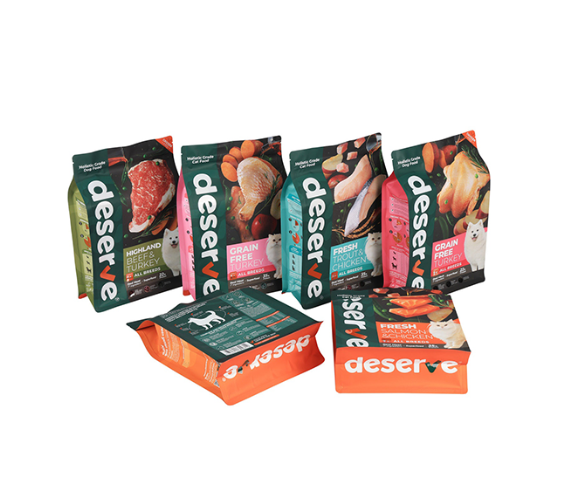
As pet food packaging becomes more advanced, it’s important for manufacturers to stay up-to-date with best practices that protect both the product and the environment. Here are several essential guidelines to follow when designing and selecting pet food bags:
A key aspect of food safety is ensuring that the pet food bag is properly sealed. A weak seal can lead to air entering the bag, which could cause oxidation and spoilage of the food. Additionally, inadequate sealing can allow contaminants to enter the packaging. Therefore, it’s essential to use high-quality sealing techniques.
Heat Sealing: This method creates airtight seals that ensure the bag remains secure during transport and storage.
Resealable Zippers: Many pet food bags feature resealable zippers that allow pet owners to close the bag after opening to maintain freshness. These zippers prevent air from entering the bag, helping to preserve the quality of the food.
One-way valves are an important feature in pet food bags, especially for foods like dry kibble, which can release gases during the packaging process. These valves allow gases to escape without letting air in, preventing the bag from inflating or bursting and maintaining the food’s freshness.
Consumers today are more aware of environmental issues and are looking for transparency when it comes to the packaging materials used by the brands they support. Providing clear information about the materials in your pet food bags can help build trust with customers who are increasingly concerned about sustainability.
Offering recyclable or compostable options can improve the marketability of your product while contributing to a more sustainable future.
The size and volume of pet food bags should match the needs of your target market. Oversized bags can be less convenient for smaller households, while smaller bags might result in more frequent purchases. Offering a range of sizes, from single-serving portions to bulk bags, ensures that consumers can find an option that fits their needs.
Tamper-evident features in pet food bags are essential for ensuring that customers know the food inside has not been altered in any way before purchase. These features, such as tamper seals or breakable seals, offer peace of mind to consumers and maintain the safety of the food.
While packaging plays an essential role in ensuring the safety of pet food, there are several challenges that manufacturers face when it comes to maintaining the integrity of the packaging.
Pet food is often shipped long distances, which can expose it to varying temperatures and humidity levels. To prevent deterioration during transport, it’s important to choose pet food bags that are durable and provide adequate barrier protection against the elements. This is especially important for products that contain perishable ingredients.
The durability of the pet food bag is crucial for preventing damage during transportation, storage, and handling. Bags need to be strong enough to resist punctures and tears, which could expose the food to contamination.
With the growing demand for sustainable products, many consumers are pushing for more eco-friendly packaging. As such, manufacturers must find innovative solutions that meet both food safety and environmental standards. This may involve incorporating biodegradable materials or optimizing existing packaging processes to minimize waste.
At Colorful Packaging, we understand these challenges and offer packaging solutions that are designed to maintain the highest food safety standards while aligning with sustainability goals. Whether it’s pet food bags, coffee pouches, or other flexible packaging needs, we are committed to delivering quality packaging that protects your products and meets your business objectives.
Ensuring food safety through proper packaging is paramount for the pet food industry. Whether you are a pet food manufacturer or a retailer, using the right pet food bag can make all the difference in maintaining product quality, protecting the food from contaminants, and ensuring that it reaches the consumer in the best possible condition. From the right materials to strong seals, tamper-evidence, and resealable features, every aspect of packaging plays a role in maintaining the integrity of pet food.
At Colorful Packaging, we are a leading provider of pet food bags that help pet food brands deliver fresh, safe, and high-quality products to furry, feathered, and scaly friends around the world. We offer a wide range of customizable packaging solutions, including popular options like quad-seal bags, flat-bottom bags, and stand-up pouches. Our packaging materials prioritize both protection and sustainability, so you can be confident that your products will meet the highest standards of food safety and environmental responsibility.
Whether you need traditional packaging solutions or eco-friendly alternatives, Colorful Packaging is your trusted partner in providing innovative, durable, and effective pet food bags for your brand.
1. What makes a good pet food bag?
A good pet food bag should have strong barrier protection against moisture, air, and light, a tamper-evident seal, and the ability to maintain freshness. Additionally, resealable zippers and eco-friendly materials are desirable features for added convenience and sustainability.
2. Can pet food bags be made from eco-friendly materials?
Yes, eco-friendly materials like recyclable PE, compostable films, and mono-material bags are increasingly being used in the packaging of pet food. These materials reduce environmental impact while still providing effective protection for the product.
3. What are the most common materials used for pet food bags?
Common materials for pet food bags include foil-based laminates, PE films, PP woven bags, and mono-material PE laminated bags. These materials offer durability, freshness protection, and security.
4. How do resealable zippers on pet food bags help preserve freshness?
Resealable zippers prevent air from entering the bag after it’s opened, helping to maintain the freshness of the food and extend its shelf life. They provide a convenient way for pet owners to store the food securely after each use.
5. Why is it important to choose the right size of pet food bags?
Choosing the right size helps ensure that the pet food is consumed while still fresh, reducing waste. Smaller bags are more convenient for smaller households, while larger bags are more economical for bigger pets or multiple animals.

