
Views: 0 Author: Site Editor Publish Time: 2026-08-17 Origin: Site


The transition to premium retail packaging demands structural stability and maximum billboard space, making flat bottom bags the industry standard for high-end consumer goods. Wholesale buyers face significant risks when sourcing packaging at scale, including compromised barrier integrity, corner seal leaks, non-compliant materials, and supply chain delays that can halt production lines. A single pallet of defective pouches can shut down an automated filling line, causing massive operational bottlenecks and wasted product. To mitigate these risks and ensure maximum return on investment, procurement teams must evaluate packaging suppliers based on strict technical specifications, material performance, and verifiable quality assurance protocols. You must move beyond basic aesthetic approvals and dig into the mechanical properties of the films, the precision of the converting equipment, and the rigorous testing standards employed on the factory floor.
Prioritize Barrier Performance: Material selection must align strictly with product shelf-life requirements, balancing oxygen and moisture transmission rates (OTR/MVTR) against unit costs.
Verify Structural Integrity: The primary failure point of flat bottom pouches is corner seal delamination; rigorous supplier AQL (Acceptable Quality Limit) testing is non-negotiable.
Demand Compliance Documentation: Sourcing human food bottom bags requires up-to-date, verifiable FDA, GFSI, or equivalent food-grade certifications from the manufacturer.
Ensure Pricing Transparency: Total procurement costs must account for tooling, cylinder setup, and freight to avoid hidden fees, alongside balancing MOQs with reliable lead times.
You gain a massive volumetric advantage when utilizing a five-panel pouch design. These structures offer 15% to 30% more product capacity compared to traditional stand-up pouches of the exact same height. The side gussets expand fully, maximizing internal volume without increasing the overall footprint on the retail shelf. This allows brands to optimize planogram space, fitting more sellable units per linear foot of shelving. A true flat base provides unmatched freestanding stability. Your product remains perfectly upright, presenting a clean, professional face to consumers even as the product inside is depleted. The five distinct printable surfaces—front, back, bottom, and two side gussets—provide uninterrupted real estate for branding, nutritional information, and regulatory compliance text without cluttering the primary display panel.
Procurement teams must assess the trade-offs between manufacturing costs and secondary packaging savings. The complex quad-seal structure requires advanced converting machinery, increasing the initial unit cost compared to a simple three-side seal pouch. However, the rigid nature of these pouches often eliminates the need for outer cartons or rigid plastic containers. You eliminate the cardboard, reduce overall shipping weight, and streamline the packing process on the factory floor. The cost-to-value ratio heavily favors the pouch when you factor in these downstream operational savings. Furthermore, the palletization efficiency of flexible packaging allows you to ship significantly more empty units per truckload compared to rigid containers, drastically reducing inbound freight expenses and warehouse storage requirements.
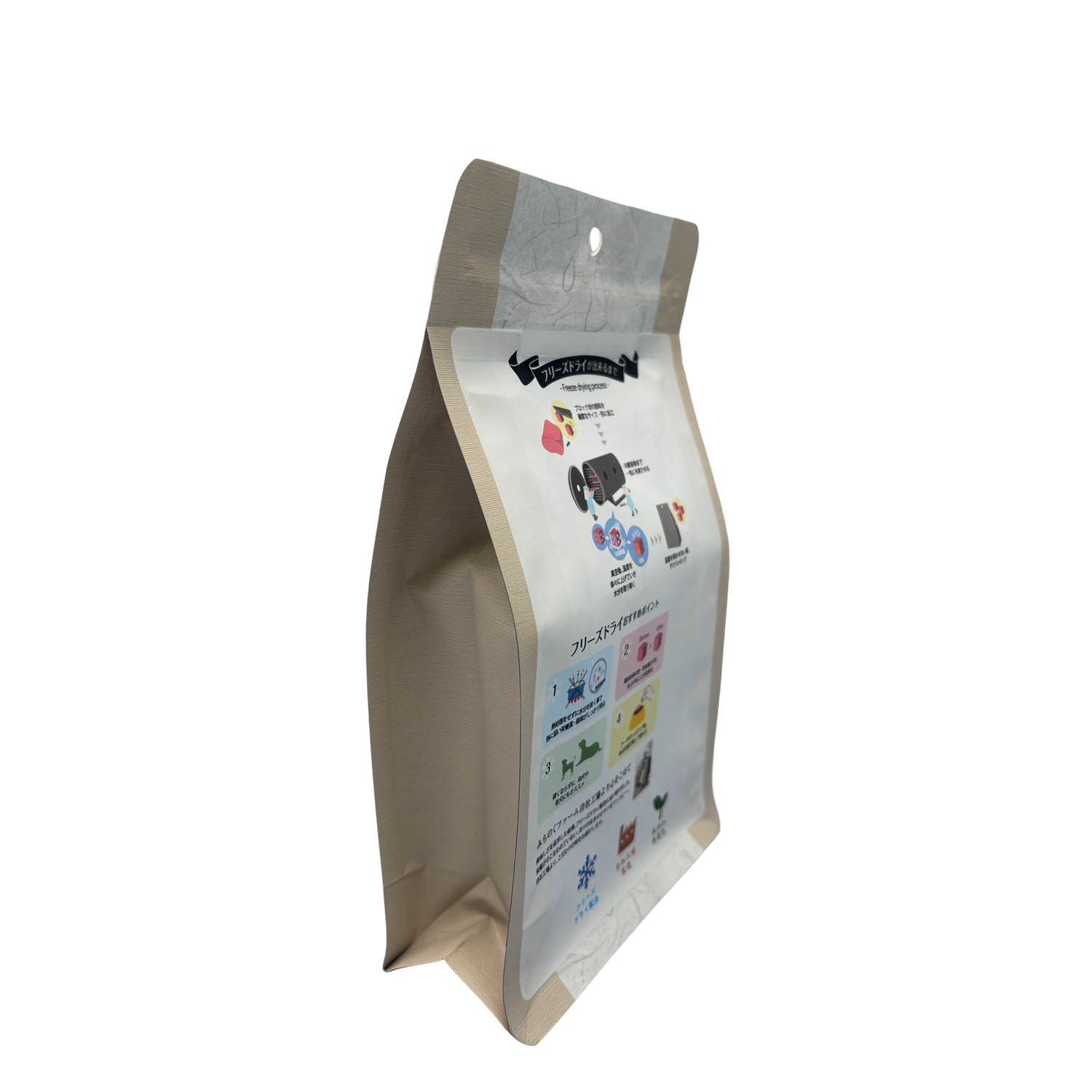
Material selection dictates product survival on the shelf. You must map material choices directly to your specific product requirements. High-fat foods require strict oxygen barriers to prevent rancidity and lipid oxidation. Dry goods need aggressive moisture protection to stop clumping and maintain crispness. You cannot rely on generic material descriptions; you must demand specific micron thicknesses and layer configurations.
Material Structure (Outside to Inside) | Barrier Characteristics | Optimal Product Applications |
|---|---|---|
PET / AL / NY / LLDPE | Maximum OTR/MVTR defense, high puncture resistance | Premium roasted coffee, sharp dry goods, sensitive organic foods |
PET / VMPET / LLDPE | High barrier, moderate cost, excellent light protection | Snacks, pet treats, dry powders, baked goods |
MOPP / Kraft Paper / VMPET / LLDPE | Natural aesthetic with high barrier properties | Artisan foods, organic teas, specialty granolas |
PE / EVOH-PE | Excellent oxygen barrier, fully recyclable mono-material | Products requiring sustainability claims, moderate shelf life items |
The most common structural failure in these pouches is quad-seal corner leaks. Four layers of heavy film intersect at the bottom corners, creating a massive change in material thickness. This intersection requires precise heat, pressure, and dwell time calibration during the pouch converting process. Poor calibration leads to micro-channels where oxygen enters or product escapes. You must define burst strength and tensile testing metrics upfront. Request specific PSI burst test data from your suppliers before approving mass production.
Visual Inspection: Check for seal distortion, webbing, or burned edges along the quad seals.
Water Bath Vacuum Testing: Submerge the sealed pouch in a vacuum chamber filled with water to identify micro-leaks via escaping air bubbles.
Tensile Strength Testing: Use a tensiometer to pull the seals apart, measuring the exact force required to cause delamination.
Drop Testing: Drop filled pouches from specific heights to simulate transit abuse and verify the gusset welds hold under sudden hydraulic pressure.
Closure options dictate the consumer experience and post-purchase product freshness. Press-to-close (PTC) zippers work well for standard dry goods, but you must specify the flange width to ensure it welds properly to the pouch walls without warping. Pocket zippers, also known as rip-pull or front-tear zippers, offer a premium tamper-evident opening that keeps the top of the pouch completely intact for filling. Tin ties provide a traditional feel for bakery and coffee items, allowing users to roll the bag down tightly. If you package freshly roasted coffee or active-culture products, one-way degassing valves are mandatory. These valves allow trapped CO2 to escape without letting ambient oxygen enter. You must specify the exact cracking pressure of the valve to ensure it vents at the correct internal PSI. Without proper valves, the pouches will inflate like balloons and eventually rupture during transit or on the retail shelf.
Sourcing Human Food Bottom Bags requires rigorous documentation. You cannot rely on verbal assurances or generic marketing claims. Demand FDA compliance letters (specifically referencing 21 CFR regulations for food contact substances) and EU framework regulation certificates. Migration test reports are critical. These reports prove no harmful chemicals, heavy metals, or unreacted monomers transfer from the packaging films, adhesives, or inks into the consumable product. Testing must be conducted using specific food simulants (like acetic acid or ethanol) that match the acidity and fat content of your actual product. Keep these documents on file for every material variation you purchase to satisfy your own internal QA audits.
Material spec sheets only tell half the story. Buyers must verify the actual manufacturing facility holds recognized certifications. Look for Global Food Safety Initiative (GFSI) recognized audits like BRC, SQF, or FSSC 22000. These certifications ensure the factory maintains strict hygiene, pest control, and hazard analysis protocols. A clean material converted in a dirty facility yields a contaminated pouch. You should request the full audit report, not just the certificate, to review any minor non-conformances the facility was cited for. Pay special attention to their glass and brittle plastic policies, gowning procedures, and positive air pressure systems in the converting rooms.
Solvent retention in printed films causes catastrophic issues for sensitive food products. If the manufacturer rushes the curing process or uses inadequate ventilation in their lamination drying tunnels, trapped solvents will off-gas inside the sealed pouch. This taints human food products with a distinct chemical taste and smell, leading to immediate consumer rejection and brand damage. Outline strict testing protocols for solvent retention. Require the supplier to provide gas chromatography test results proving solvent levels fall below acceptable safety thresholds (typically measured in milligrams per square meter). You should also conduct your own sensory panels by sealing empty pouches, heating them slightly, and checking for residual chemical odors upon opening.
Printing technology must align with your wholesale volume and graphic requirements. Rotogravure provides ultra-high volume production with the lowest unit cost and highest image fidelity. It handles complex gradients and photographic images flawlessly. However, it requires expensive engraved metal cylinders for each color. Flexographic printing suits mid-volume runs, offering excellent quality with lower photopolymer plate costs. Modern gearless flexo presses can rival rotogravure in quality, but struggle slightly with ultra-fine vignettes. Digital printing dominates multi-SKU short runs. It requires no printing plates or cylinders, making it perfect for market testing, seasonal promotions, or personalized packaging, though the unit cost remains higher at scale.
Surface finishes elevate brand perception and shelf impact. You can apply matte, gloss, spot UV, or soft-touch coatings. Soft-touch finishes provide a premium, velvety feel that consumers associate with luxury goods. However, you must review the risk of finish delamination during transit. Heavy friction inside shipping cartons can rub off delicate matte coatings or scratch high-gloss surfaces. Always test for scuff resistance by requesting physical rub tests (like the Sutherland Rub Test) from the manufacturer. Additionally, ensure the chosen finish does not alter the Coefficient of Friction (COF) of the film to the point where it jams your automated filling equipment.
International packaging contracts often hide unexpected fees that destroy your procurement budget. You might encounter surprise prep charges, artwork modification fees, customs clearance surcharges, or ocean terminal handling fees. Establish a strict framework for requesting all-inclusive price quotes based on specific Incoterms (like DDP or FOB). Demand that Flat Bottom Bags manufacturers detail every single cost before you sign a contract. Require a breakdown of cylinder tooling, setup waste allowances, and freight. Absolute cost predictability protects your margins and prevents supplier disputes during the production run.
Standard industry MOQs for custom rotogravure typically range from 10,000 to 50,000 units per SKU, depending heavily on the physical dimensions of the pouch and the web width of the printing press. Higher volumes drastically reduce the unit cost by amortizing the setup waste over a larger run. If these quantities exceed your immediate warehouse capacity or cash flow constraints, negotiate staggered deliveries. Many reliable suppliers will print and convert the full master roll to secure the low unit cost, then hold the finished inventory in their warehouse and ship it to you in smaller monthly batches.
Establish a rigid timeline framework to prevent stockouts and missed launch dates. Dieline approval, color matching (verifying Pantone targets), and physical prototyping usually take one to two weeks. Mass production requires four to six weeks, depending on cylinder engraving and lamination curing times. Freight adds significant time depending on the method. Ocean freight takes three to six weeks, while air freight takes under a week but costs substantially more. Build a minimum four-week buffer into your procurement schedule to account for customs holds or port congestion.
Define acceptable defect rates in your initial contract. The industry standard typically hovers around 1% to 2% for flexible packaging. Outline the exact process for claiming credits on defective batches, including the required photographic evidence and sample returns. Require third-party pre-shipment inspections for overseas wholesale suppliers. An independent inspector can pull random samples based on military standard AQL tables to catch corner seal leaks, zipper misalignment, or printing registration errors before the container boards the ship. If the batch fails the AQL inspection, the supplier must sort and rework the order at their own expense.
Request physical samples of similar past projects to evaluate seal strength, zipper functionality, and material rigidity firsthand on your own filling lines.
Demand unredacted material specification sheets and third-party migration test reports before approving any food-contact packaging for production.
Initiate a small-batch prototype run to test filling line compatibility, heat seal parameters, and transit durability before committing to a massive wholesale contract.
Require an itemized, all-inclusive quote based on clear Incoterms to eliminate hidden freight, tooling, and setup fees.
Establish clear AQL inspection criteria and defect credit procedures in writing before issuing the first purchase order.
A: Digital print MOQs typically range from 1,000 to 5,000 units, making them ideal for new product launches. Rotogravure MOQs generally start between 10,000 and 30,000 units depending on the bag size, offering lower unit costs for established brands.
A: They feature a five-panel design, a completely flat base, and a quad-seal structure. This provides superior freestanding stability and significantly more branding space than a traditional bottom-gusset stand-up pouch.
A: Aluminum foil laminates (PET/AL/PE) and EVOH co-extruded structures serve as the industry standards. They provide maximum defense against oxygen and moisture transmission, ensuring long shelf life for sensitive foods.
A: Advise your procurement team to demand an itemized, all-inclusive quote. This quote must explicitly cover cylinder tooling, printing plates, customs duties, warehousing, and all shipping fees upfront to ensure full pricing transparency.
A: The industry is shifting toward mono-material PE/PE structures for standard recycling streams. PLA-based laminates offer industrial compostability. However, you must carefully evaluate the trade-offs, as these eco-friendly materials often provide lower barrier performance than traditional foil.
A: The intersection of four layers of film at the bottom corners requires precise heat and pressure calibration during manufacturing. Buyers can prevent issues by requesting rigorous burst test data and AQL inspection reports before shipment.
A: Expect a realistic timeline of 3 to 5 weeks for mass production after final artwork approval. If sourcing internationally, you must add an additional 3 to 6 weeks for ocean freight and customs clearance.

