
Views: 0 Author: Site Editor Publish Time: 2026-06-30 Origin: Site


A weak pouch can ruin a strong product. It may bend, leak, or look cheap. A quad seal bag solves this problem. It gives products better shape, shelf presence, and protection. In this article, you will learn where it works best and how to choose it wisely.
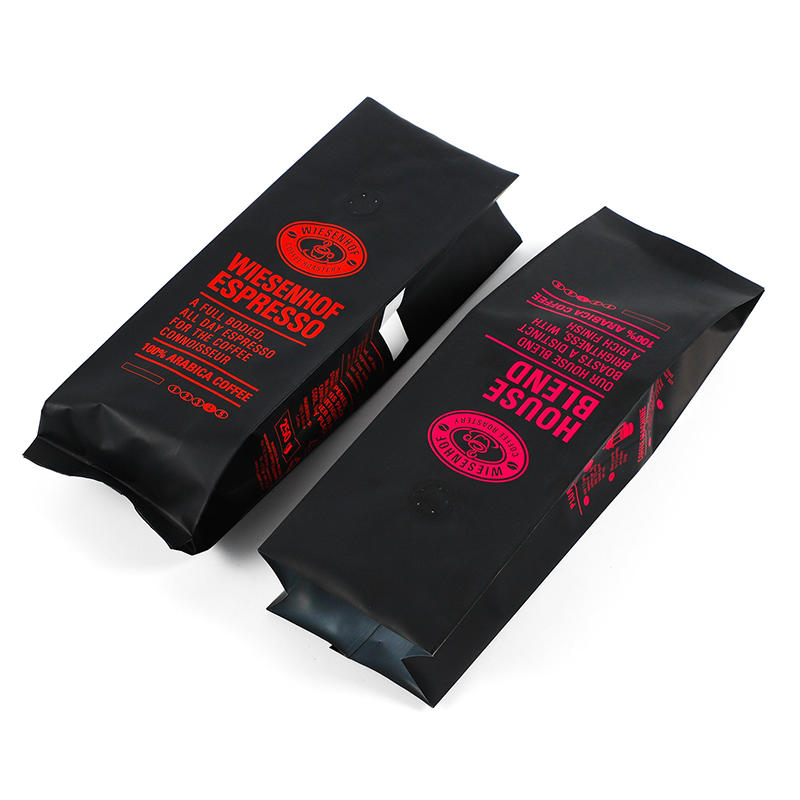
● A quad seal bag is mainly used for products that need stronger structure, more filling space, and better shelf display.
● It is a strong choice for coffee, tea, pet food, snacks, nuts, grains, protein powder, milk powder, rice, candy, and other dry goods.
● Its four-corner seal format helps the filled bag keep a neat, box-like shape.
● Side gussets give the bag more room, so it can hold bulky or heavier products.
● Resealable features, such as zippers and sliders, make it useful for products opened many times.
● Barrier materials help protect products from moisture, oxygen, light, and aroma loss.
● It is often chosen when packaging must support branding, retail display, storage, and transport at the same time.
A quad seal bag is used for products that need more strength than a simple pouch. Its structure includes four vertical sealed corners and side gussets. This gives the bag a firm shape after filling. It can stand well on a shelf and hold a larger product volume.
The most common use is dry product packaging. These products often need moisture protection, clean display, and strong seals. Coffee beans, tea, pet food, protein powder, dried fruit, candy, rice, nuts, and snacks are all common examples. Many of these products are sold by weight. They also sit on shelves for weeks or months, so the package must stay neat.
A quad seal bag also helps when a brand wants a premium look. Its front, back, and side panels give more room for graphics and information. This makes it easier to show product claims, flavor names, feeding guides, nutrition facts, or storage instructions.
It is not only a container. It is also a display tool, a freshness barrier, and a brand surface. That is why it is often selected for products where appearance and protection both matter.
Pet food is one of the strongest use cases. Kibble, treats, bird seed, fish food, and dry pet snacks are often dense or bulky. A weak pouch may slump after filling. It may also lose shape during transport.
A quad seal bag gives these products better support. It can include a resealable zipper, a handle, or a clear window. These features make the pack easier to carry, open, close, and display. They also help shoppers see the product or understand its quality.
For larger pet food packs, strength matters even more. The bag must hold weight, resist tearing, and protect the food from air and moisture. A strong structure helps the package stay stable from the filling line to the store shelf.
Coffee and tea need packaging that protects flavor and aroma. They also need a polished look, since many buyers compare products visually before reading details.
A quad seal bag works well for whole bean coffee, ground coffee, loose-leaf tea, and specialty blends. It can stand upright and give the brand more print space. Coffee packaging may also use a one-way valve when freshly roasted beans release gas. A zipper or tear notch can improve daily use after opening.
For premium coffee and tea, the side panels are useful. They can show roast level, origin, flavor notes, brewing tips, or batch details. This helps shoppers make faster decisions.
Snacks and dry foods need freshness protection and shelf appeal. Nuts, dried fruits, granola, candy, cereals, rice, grains, and spices can all use this format.
These products often face two risks. First, moisture can damage texture. Second, poor shelf display can make the product look low value. A quad seal bag helps address both issues. It can use barrier films to protect the product and a stable body to improve shelf presentation.
Resealable closures are also useful here. Many snack products are not finished in one use. A zipper helps consumers store the product in the same package.
Protein powder, milk powder, superfood blends, and powdered supplements often need a wide opening and strong pouch body. These products are used many times after purchase. The pack should be easy to scoop from and easy to reclose.
A quad seal bag can support a larger volume while keeping a neat shape. It also gives enough space for nutrition facts, serving instructions, flavor information, and product benefits.
Tip:For powder products, test zipper position, opening width, and scoop access before approving the final bag size.
A simple pouch can work for small, light, or low-cost products. But it may not work well for heavier fills or premium retail display. A quad seal bag is chosen when the package must do more.
The first reason is stability. The bag stands better after filling because its gussets expand and its sealed corners support the shape. This helps it look organized on shelves.
The second reason is strength. Dense products can put pressure on the seams and bottom area. Four-corner sealing helps distribute stress better than many simple pouch formats.
The third reason is branding. A flat pouch gives limited front and back space. A quad seal bag gives side panels too. These panels can carry useful information without crowding the front design.
The fourth reason is consumer use. Many quad seal bags can include zippers, sliders, tear notches, clear windows, handles, and valves. These options turn the package into a more practical daily-use container.
Packaging Need | Why a Quad Seal Bag Helps |
Heavy product weight | Reinforced structure supports denser fills |
Better shelf display | Self-standing shape looks cleaner |
More branding space | Front, back, and side panels carry more details |
Repeated opening | Zippers or sliders improve storage |
Freshness protection | Barrier films help reduce moisture and oxygen exposure |
Larger pack size | Side gussets create more internal space |
Note:The best bag format depends on product weight, filling method, shelf-life target, and retail channel.
The four-corner seal is the main feature. It gives the bag a stronger vertical body. After filling, the pouch looks more square and less loose. This is helpful for products that need a clean shelf block.
The structure also helps protect the product during handling. A bag that keeps its shape is easier to pack into cartons. It is also easier to stack, display, and store.
Side gussets expand when the bag is filled. This creates more internal space without making the front panel look too wide. For bulky products, this can improve both capacity and shelf appearance.
The gussets also create extra print areas. Brands can use them for product details, icons, certifications, or flavor markers.
Many quad seal bag designs can include zippers, sliders, or similar reclose systems. These features matter for products used over several days or weeks.
Coffee, pet food, snacks, and protein powder all benefit from reclosure. Consumers do not need a second container. The original pack remains useful after opening.
Heavier packs may need a handle. It helps shoppers carry the product and improves daily use at home. A clear window can show texture, color, or product quality. A tear notch can make the first opening easier.
These details should not be added only for decoration. Each feature should solve a real use problem. If it does not improve handling, display, freshness, or convenience, it may only raise cost.
Product protection starts with structure, but it does not end there. A quad seal bag can use different material layers based on the product’s needs. Some products need moisture resistance. Some need oxygen control. Some need light protection. Others need aroma protection.
Coffee is a good example. It can lose aroma when exposed to oxygen. Nuts can turn stale when exposed to air and moisture. Pet food can lose flavor and texture if the pack does not protect it well. Powder products can clump when moisture enters the bag.
The right material structure helps reduce these risks. Laminated films are often used because each layer performs a different job. One layer may support printing. Another may improve barrier strength. Another may support sealing.
Seal quality is also important. Poor sealing can cause leaks, weak corners, or product loss. For dry foods and powders, seal contamination during filling can also create problems. This is why testing matters before full production.
Tip:Always test the filled bag, not only the empty sample, because product weight changes bag shape and seal stress.
Choose a quad seal bag when your product is heavy, bulky, premium, or used many times after opening. It is especially practical when shelf display and protection are both important.
It is a good fit for medium to large retail packs. It also works for wholesale packs when strength and print space matter. Pet food, coffee, tea, snacks, powders, rice, grains, and dried foods are strong examples.
You should also choose it when branding needs more room. The side panels can carry important details without crowding the front artwork. This is useful for products with multiple flavors, feeding instructions, nutrition panels, or preparation steps.
However, it is not always the lowest-cost choice. If your product is small, single-use, or sold mainly on price, a flat pouch or pillow pouch may be more practical. The extra structure and features of a quad seal bag should match a real business need.
It also may not be the best format for every liquid or wet product. Some liquids need spout pouches, retort pouches, or other structures. The product form should always guide the packaging format.
Note:Choose the structure first, then design the artwork. A good print design cannot fix the wrong bag format.
Start with the product itself. Weight, density, texture, moisture sensitivity, aroma sensitivity, and filling method all affect the final bag choice. A light snack and a dense pet food may need different dimensions, even if they have the same net weight.
Next, choose the right material. Coffee may need a stronger oxygen and aroma barrier. Nuts may need moisture and oxygen protection. Powder may need strong sealing and good puncture resistance. Pet food may need strength, odor control, and a closure that works after many openings.
Then decide which features matter. A zipper is useful for repeated use. A slider may improve convenience for larger packs. A handle helps with heavier products. A window improves product visibility. A valve can be important for some coffee products.
Also consider the filling process. Some quad seal bags are suitable for high-speed automatic filling. But the bag size, opening, film stiffness, and seal area must match the machine. If the package looks good but slows production, it may create hidden cost.
Finally, test real samples. Fill them with the actual product. Place them on a shelf. Pack them into cartons. Drop-test them when needed. Open and close the zipper several times. This practical check often finds problems that drawings cannot show.
A quad seal bag is used for products that need strength, volume, freshness protection, and better shelf display. It fits coffee, tea, pet food, snacks, powders, and dry foods well. Qingdao Colorful Printing Packaging Co., Ltd. offers quad seal bags with strong structures, material options, closures, handles, and custom printing to help products look better and perform more reliably.
A: A quad seal bag is used for coffee, pet food, snacks, powders, tea, and dry goods.
A: A quad seal bag gives better structure, shelf display, volume, and branding space.
A: Yes. It supports aroma protection, valves, zippers, and upright display.
A: Often yes, because it uses stronger structure and added features.
A: Sometimes. It works better for heavier or more premium products.
A: Wrong size, weak film, poor filling, or low product weight may cause it.

