
Views: 0 Author: Site Editor Publish Time: 2026-08-17 Origin: Site


Inadequate packaging carries hidden, compounding costs that quickly erode profit margins. Product spoilage, compromised chemical integrity, and moisture ingress lead directly to unsellable inventory. These failures damage retail trust and cause significant revenue loss. Selecting the right flexible packaging is a strict engineering challenge. You must meet stringent moisture, oxygen, and UV protection requirements without over-engineering the solution or inflating per-unit material usage. The goal is maximum protection with minimal material waste.
This is where the flat barrier pouch excels. It provides a highly efficient, low-footprint solution for demanding product environments. By understanding its structural and chemical properties, you can evaluate if this packaging format aligns with your specific product lines and production capabilities. The right choice ensures product stability from the filling line to the consumer's hands.
Core Functionality: Flat barrier pouches are multi-layer flexible packaging formats engineered specifically to block oxygen, moisture vapor, light, external microbial pathogens, and volatile odor transfer.
Ideal Product Matches: Best suited for high-fat foods, moisture-sensitive powders, single-use liquids, single-serve snacks, and sterile medical or pharmaceutical goods.
Strategic Trade-Offs: They offer superior footprint efficiency, lower shipping costs, and reduced material usage compared to rigid containers, but lack the freestanding retail display capabilities of stand-up pouches.
Compliance & Performance: Material selection (e.g., clear EVOH vs. Aluminum Foil) dictates both the barrier performance (OTR/MVTR), regulatory approvals (FDA food-contact safety, BPA-free status), and the packaging's end-of-life sustainability profile.
Flexible packaging relies on engineered layers working together. Structural layers provide physical strength and printability. Polyethylene terephthalate (PET) often serves as the outer layer. It accepts high-quality printing and resists scuffing on the packaging line. Linear low-density polyethylene (LLDPE) typically forms the inner layer. LLDPE melts easily to create strong, hermetic heat seals. Sandwiched between these structural layers are the active barrier layers. Materials like Aluminum Foil, Ethylene Vinyl Alcohol (EVOH), or Metallized PET perform the heavy lifting. They actively block environmental threats.
These distinct substrates do not function independently. They undergo a rigorous lamination process. Adhesive lamination uses specialized glues to bond the films. Extrusion lamination melts a thin layer of polymer between the substrates to fuse them. Both methods create a unified, puncture-resistant shield. This laminated structure remains chemically stable under stress. It prevents delamination during transport and storage.
Outer Layer (PET/BOPP): Provides scuff resistance and printability.
Barrier Layer (Foil/EVOH/VMPET): Blocks oxygen, moisture, and light.
Tie Layer: Adhesives that bond incompatible polymers together.
Sealant Layer (LLDPE/CPP): Melts under heat to form a hermetic seal.
You cannot manage what you do not measure. Oxygen Transmission Rate (OTR) and Moisture Vapor Transmission Rate (MVTR) are the industry-standard lenses for evaluating barrier efficacy. OTR measures how much oxygen passes through the film over 24 hours. MVTR measures the passage of water vapor. Lower numbers indicate stronger protection. Matching these metrics to your product's specific degradation triggers is essential.
Beyond oxygen and water, odor and aroma retention matter immensely. Specialized barrier films prevent external odor contamination. They also trap volatile flavor compounds inside the packaging. This is vital for items like spices, roasted coffee, and pet treats. A strong aroma barrier ensures the product smells fresh upon opening.
Procurement teams must read spec sheets critically. You need a framework to align a pouch’s transmission rates with your shelf-life requirements. If a product oxidizes quickly, demand a near-zero OTR film. If it clumps from humidity, prioritize an ultra-low MVTR. Do not guess; rely on the data provided by the film manufacturer.
Packaging that touches consumable goods must meet strict safety standards. You must analyze the technical requirements for 100% food-safe classification. This includes direct food contact compliance with FDA and EU regulations. Every layer of the pouch, especially the inner sealant layer, must pass rigorous migration testing. This ensures no harmful substances transfer into the food.
Chemical safety extends beyond basic compliance. You must verify the necessity of BPA-free, non-toxic raw materials. Chemical leaching into consumable or medical products is a severe risk. Using certified safe materials protects consumers and shields your brand from liability. Always request documentation proving the absence of heavy metals and restricted phthalates.
The manufacturing environment also plays a crucial role. Hygienic manufacturing is non-negotiable. Source from cleanroom-compatible or GMP-certified facilities. These controlled environments prevent particulate or microbial contamination during fabrication. Clean manufacturing ensures the pouch arrives ready for safe filling.
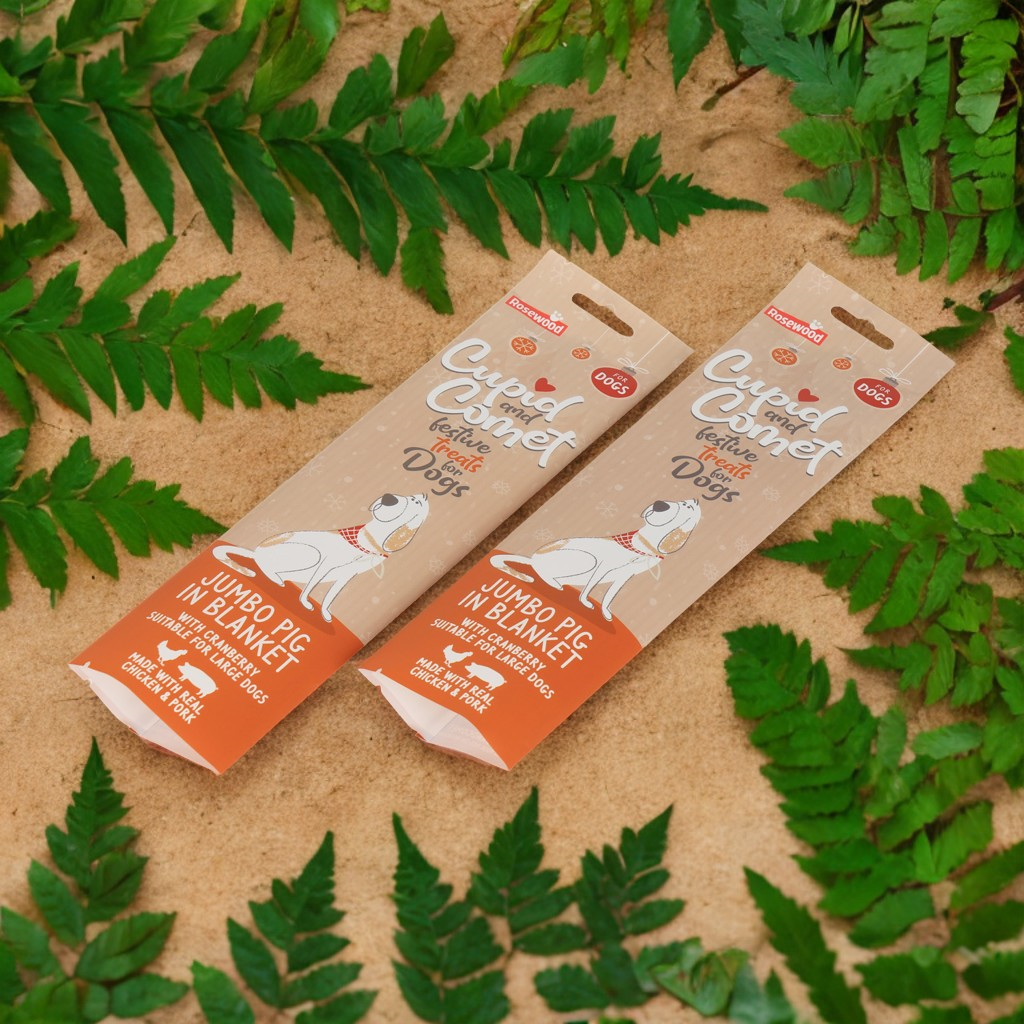
Display mechanics dictate retail strategy. Flat pouches utilize a lay-flat or peg-hole hanging display. They work perfectly for hanging racks or horizontal shelf stacking. Stand-up pouches offer a freestanding shelf presence. They feature a bottom gusset that allows them to sit upright. If vertical billboard space is your primary goal, stand-up formats win. If space efficiency is the priority, flat formats excel.
Cost and volume efficiency heavily favor flat designs. We must analyze the volume-to-material ratio. Flat pouches require less film to hold the same volume of product. This highlights significant cost-per-unit savings. Furthermore, they pack tightly into shipping cartons. This pallet-density advantage drastically reduces freight costs and warehouse storage requirements.
Material rigidity and longevity separate these two categories. Standard Vacuum Packaging Bags often utilize simpler nylon and polyethylene blends. They are tough but lack advanced gas barriers. High-barrier flat pouches incorporate foil or EVOH. This complex film architecture provides superior defense against oxygen and light over long periods.
Application context drives the selection. Define when to use standard vacuum bags. They work well for short-term storage or frozen transit where temperature controls the degradation. High-barrier flat pouches are necessary for extended, ambient retail shelf life. When the product sits on a room-temperature shelf for months, you need the advanced protection of a true barrier film.
Many dry products degrade rapidly when exposed to humidity. Target products include spices, powdered supplements, baking mixes, dehydrated foods, candies, and premium snacks. These items rely on specific moisture levels to maintain their quality.
The success criteria for packaging these goods are strict. You must prevent clumping in powders. You must preserve volatile flavor compounds in spices. Halting microbial growth caused by moisture ingress is critical for dehydrated foods. Finally, maintaining physical crispness in snacks ensures a positive consumer experience.
Lipids are highly reactive to oxygen. Target products in this category include beef jerky, roasted nuts, premium pet treats, and cured meats. These foods require robust defense mechanisms to remain safe and appetizing.
Success criteria revolve around oxygen exclusion. Utilizing strict oxygen barriers prevents lipid oxidation. This stops rancidity dead in its tracks. It also prevents the development of off-odors and severe color degradation. A high-barrier pouch keeps high-fat foods tasting fresh for their entire intended shelf life.
Fluid dynamics introduce unique packaging stresses. Target products include single-use condiments, baby food purees, single-serve juices, cosmetic samples, and industrial lubricants. Liquids exert constant pressure on the pouch seals.
Success criteria focus on physical integrity. Ensuring high burst strength is mandatory to survive transit. Leak-proof seal integrity prevents messy and costly spills. The inner layer must show resistance to acidic or caustic product chemistries. Additionally, the barrier must prevent pathogen ingress to keep liquid foods safe for consumption.
Medical applications demand zero tolerance for failure. Target products include transdermal patches, diagnostic test strips, and sterile surgical instruments. These items require clinical-grade protection.
The success criteria are absolute. You must maintain an absolute sterile barrier to block pathogens and bacteria. Providing complete light degradation protection is often necessary for sensitive chemical compounds. Meeting strict medical-grade compliance standards ensures the product performs safely in critical healthcare settings.
Material Type | OTR / MVTR Performance | Light Protection | Best Application |
|---|---|---|---|
Aluminum Foil | Near-Zero | 100% Block | Medical, Long-term Food Storage |
Metallized PET (VMPET) | High Barrier | High (Opaque) | Snacks, Coffee, Medium Shelf Life |
Clear EVOH | High Oxygen Barrier | Transparent | Visible Retail Goods, Meats |
Aluminum foil offers the highest level of protection available in flexible packaging. Its performance profile boasts near-zero OTR and MVTR. It provides a complete UV and visible light block. For products highly sensitive to the elements, foil is the definitive choice.
However, there are trade-offs. Foil is completely opaque, eliminating any product visibility. It is generally non-recyclable in standard municipal streams due to the mixed-material lamination. Furthermore, foil is susceptible to flex-cracking if mishandled during transit. Sharp folds can create micro-pinholes, compromising the barrier.
Metallized films provide a strong middle ground. The performance profile offers a high barrier at a lower cost and lighter weight than pure foil. A microscopic layer of aluminum is deposited onto a PET film. This creates a highly reflective, protective shield.
The trade-offs are manageable but important. VMPET remains opaque, so consumers cannot see the product. It exhibits slightly higher transmission rates than pure foil. This makes it suitable for medium-to-long shelf life rather than extreme, multi-year longevity.
Sometimes you need protection and visibility. The performance profile of clear barriers allows for retail product visibility while maintaining robust oxygen, moisture, and aroma defense. Materials like EVOH or aluminum oxide (AlOx) coatings offer excellent clarity and strong barrier properties.
The primary trade-offs involve cost and environmental sensitivity. Clear barriers generally command higher material costs. Note that the performance of certain EVOH structures can degrade under extreme ambient humidity. They require proper protective outer layers, like a robust PE or PP, to shield the EVOH from moisture.
A barrier is only as strong as its seal. The risk includes channel leaks, weak seals, and micro-gaps. These defects permit pathogen or moisture entry. Melted films can occur if heat-sealing equipment is not calibrated correctly. Dwell time, temperature, and pressure must match the specific thickness and thermal properties of your multi-layer films.
Implement a strict mitigation strategy. Mandate seal strength testing on the production floor. Utilize burst testing and dye penetration tests regularly. Ensure pouch material specifications align perfectly with your existing filling line capabilities. Do not assume a new film will run perfectly on old equipment settings.
Environmental impact is a growing concern. Address the inherent difficulty of recycling traditional mixed-material barrier pouches. Structures combining PET, Foil, and PE cannot be easily separated. They typically end up in landfills. This is a significant limitation for brands targeting eco-conscious consumers.
Evaluate the viability of emerging solutions. Mono-material high-barrier options, such as all-PE structures with specialized coatings, are entering the market. Transparently discuss their current performance limitations. While improving, they often do not yet match the extreme barrier properties of legacy foil structures. You must balance sustainability goals with product shelf-life requirements.
Request detailed material data sheets (OTR/MVTR) from your suppliers to verify barrier claims.
Order physical samples to conduct compatibility, burst, and drop testing in your facility.
Run a pilot heat-seal test on your actual production line to calibrate dwell time and temperature.
Verify regulatory safety standards, including FDA and BPA-free status, before committing to a high-volume run.
A: A flat pouch consists of two panels sealed around the edges, lying flat. A stand-up pouch includes a bottom gusset that expands when filled, allowing the package to stand vertically on a retail shelf.
A: Yes, reputable manufacturers produce flat barrier pouches using BPA-free materials. They utilize food-grade inner sealant layers, like LLDPE, that comply with FDA and EU regulations for direct food contact.
A: Yes. Flat Barrier Pouches made with durable, non-porous materials like nylon or EVOH can withstand the pressure of vacuum sealing while providing superior oxygen barriers compared to standard poly bags.
A: They use specific barrier layers, such as EVOH or aluminum foil, which possess tightly packed molecular structures. These layers block external odors from entering and trap volatile flavor compounds inside the pouch.
A: Yes. When properly heat-sealed, multi-layer barrier films create a hermetic environment. This absolute physical barrier prevents external microbial pathogens and bacteria from contaminating the product.
A: Aluminum foil is the most effective material. It provides a near-zero oxygen transmission rate and blocks 100% of UV light, preventing the lipid oxidation that causes high-fat foods to become rancid.
A: Traditional mixed-material pouches (e.g., PET/Foil/PE) are generally not recyclable. However, new mono-material structures (like all-PE pouches) are emerging that offer high barriers and are recyclable in specific store-drop-off streams.

