
Views: 0 Author: Site Editor Publish Time: 2026-08-10 Origin: Site


The transition from rigid containers to flexible packaging is driven by logistics, but the performance of liquid or semi-solid products relies entirely on the structural integrity of the barrier material. Integrating a rigid fitment into a flexible film creates inherent vulnerabilities. Selecting an inadequate barrier material leads to compromised Oxygen Transmission Rates (OTR), Moisture Vapor Transmission Rates (WVTR), flex cracking, seal failures, and ultimately, product spoilage or costly recalls of pouches with spouts.
Navigating the complex landscape of multi-layer laminations requires aligning the product’s chemical profile, processing method, and shelf-life requirements with the correct barrier technology. This guide breaks down the technical evaluation of barrier materials to ensure optimal performance and regulatory compliance.
Barrier matching is product-specific: High-acid foods, volatile chemicals, and sensitive cosmetics require distinct barrier layers (e.g., EVOH vs. Aluminum Foil) to prevent degradation in pouches with spouts.
Thermal processing dictates material limits: Applications requiring high-heat sterilization necessitate specialized retort pouches with high-temperature adhesives and robust foil or SiOx/ALOx layers.
Spout adhesion requires polymer compatibility: The sealant web of the pouch must chemically match the spout material (typically PE or PP) to guarantee a hermetic seal.
Sustainability introduces performance and compliance trade-offs: Shifting to recycle-ready mono-materials (PE/PE) requires meeting strict packaging guidelines (such as How2Recycle or APR standards) and using advanced, clear barrier coatings to match the performance of traditional mixed-material laminates.
Defining acceptable thresholds for gas and moisture ingress or egress is fundamental to maintaining shelf life. Oxygen Transmission Rate (OTR) and Moisture Vapor Transmission Rate (WVTR) metrics determine how well a material protects the contents. Testing involves specialized equipment measuring the exact volume of gas or water vapor passing through a defined area of the film over 24 hours under controlled temperature and humidity. Ensuring these metrics align with product sensitivity prevents oxidation and moisture loss. For instance, a highly sensitive organic puree requires an OTR approaching zero, whereas a liquid soap can tolerate higher transmission rates without degrading.
Engineers must calculate the exact surface area of the pouch and the expected duration of the product on the shelf to determine the maximum allowable transmission. Failing to accurately map OTR and WVTR leads to premature spoilage, color shifts in the product, or active ingredient degradation. The barrier layer acts as the primary defense mechanism, and its specification is a non-negotiable starting point in packaging design.
Flexible packaging must endure physical stress throughout the supply chain. Structural layers like PET or Nylon (BOPA) provide the necessary mechanical strength to withstand drop impacts and vibration during transit. These layers also absorb localized stress around the spout weld, preventing leaks and maintaining package integrity under pressure. When a pouch is dropped, the hydraulic shock of the liquid inside exerts immense force on the seals and the film itself. Without a robust structural layer, the film will stretch and rupture.
The integration of the spout creates a rigid point in an otherwise flexible structure. This transition zone is highly susceptible to flex cracking and pinholing. Nylon is frequently specified for liquid-heavy applications because of its superior elasticity and puncture resistance compared to standard polyester. It acts as a shock absorber, distributing the kinetic energy of an impact across the surface of the pouch rather than allowing it to concentrate at the spout insertion point.
The manufacturing environment acts as the primary filter for eliminating incompatible barrier materials. Cold fill, hot fill, pasteurization, and retort processing each impose different thermal demands. Materials must withstand the specific temperature profiles without delaminating, shrinking, or losing barrier properties. A film designed for ambient filling will fail catastrophically if subjected to a hot-fill process at 85°C. The adhesive layers binding the laminate together will soften, causing the layers to separate and the pouch to lose its structural integrity.
Thermal tolerance also extends to the sealing process on the filling line. The jaws of the sealing equipment apply heat and pressure to fuse the spout to the film. The outer layer of the pouch must have a higher melting point than the inner sealant layer. If the thermal differential is too narrow, the sealing jaws will melt through the entire structure, destroying the barrier and causing immediate leaks.
Selecting migration-compliant materials is essential for consumer safety. Barrier layers must prevent the migration of inks, adhesives, and external contaminants into the product. Compliance with global regulatory standards, such as FDA and EU food contact regulations, ensures the packaging is safe for its intended use. Migration testing involves exposing the packaging material to food simulants under accelerated temperature conditions to measure the transfer of chemical substances.
Aggressive products, such as those containing high levels of essential oils, alcohol, or strong surfactants, can chemically attack the inner sealant layer. This chemical interaction can lead to delamination, where the layers of the film separate, or scalping, where the packaging absorbs flavor or fragrance compounds from the product. Specifying a chemically resistant sealant layer, such as an ionomer resin, is necessary to maintain the barrier's integrity and the product's formulation.
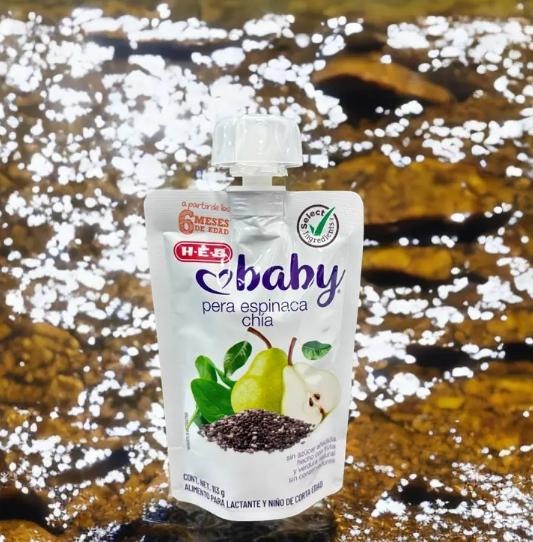
Aluminum foil provides a near-zero OTR and WVTR, blocking 100% of UV light. This makes it ideal for highly sensitive products like baby food, purees, and chemical solvents packaged in Pouches with Spouts. Foil acts as an absolute barrier, meaning that as long as the material is free of pinholes, no gas or moisture can pass through it. This level of protection is mandatory for products that undergo severe oxidation or require shelf lives extending beyond 18 months.
However, foil is susceptible to flex cracking if not laminated correctly. It is a rigid material, and repeated bending or folding during transport can create microscopic fractures in the foil layer, compromising the barrier. To mitigate this, foil is always laminated between other polymer layers, typically PET on the outside for printability and protection, and a sealant layer on the inside. It is also opaque, preventing product visibility, and non-recyclable in standard municipal streams.
Metallized films feature a thin layer of aluminum deposited on a polymer film in a vacuum chamber. They offer excellent barrier properties at a lower cost and lighter weight than solid foil. VMPET (Vacuum Metallized PET) is widely used in applications where a high barrier is needed, but the absolute zero transmission of foil is unnecessary. It provides a reflective, metallic appearance and significantly improves the OTR and WVTR compared to clear PET.
The main limitations include lower flex-crack resistance compared to clear barriers and an inability to withstand the harsh processing temperatures required for Retort Pouches. The metallized layer is extremely thin and can be damaged by aggressive stretching or high heat. Furthermore, metallized films do not provide the same level of puncture resistance as solid foil laminates, making them less suitable for large-format liquid pouches that experience high hydraulic shock during transport.
Clear barrier films allow product visibility while maintaining strict OTR and WVTR limits. EVOH (Ethylene Vinyl Alcohol) provides an excellent oxygen barrier but is highly sensitive to moisture. When exposed to high humidity, EVOH loses its barrier properties. Therefore, it is typically sandwiched between layers of PE or PP to protect it from moisture. ALOx (Aluminum Oxide) and SiOx (Silicon Oxide) offer robust barriers without moisture sensitivity. These are ceramic coatings applied to a base film, providing glass-like barrier performance while remaining transparent.
These materials generally have higher costs and require careful handling during converting to prevent micro-fractures in the ceramic coatings. If an ALOx or SiOx coated film is stretched or creased excessively during the pouch-making process, the brittle coating will crack, leading to a sudden spike in transmission rates. Converters must use specialized tension control systems and protective topcoats to maintain the integrity of these clear barriers.
Mono-material structures are designed for store-drop-off or advanced recycling streams. They often utilize MDO-PE (Machine Direction Oriented Polyethylene) combined with EVOH for barrier properties. MDO-PE is stretched during manufacturing to align the polymer chains, significantly increasing its stiffness and heat resistance, allowing it to function as the outer structural layer in a PE-only laminate. To meet How2Recycle or APR guidelines, the EVOH content must typically remain below 5% of the total pouch weight, and both the film and the spout must belong to the same polymer family.
These structures have narrower sealing windows and generally lower barrier performance compared to foil laminates. Because the entire structure is made of polyethylene, the melting point differential between the outer layer and the inner sealant layer is very small. This requires highly precise temperature control on the filling line to seal the spout without melting the outer film. While mono-materials offer a path to recyclability, they require significant adjustments in processing parameters and often necessitate a reduction in expected shelf life.
Barrier Material | OTR Performance | WVTR Performance | Flex Crack Resistance | Recyclability (Standard Streams) |
|---|---|---|---|---|
Aluminum Foil | Excellent (Near Zero) | Excellent (Near Zero) | Low | No |
VMPET | Good | Good | Moderate | No |
EVOH (Co-ex) | Excellent | Poor (Moisture Sensitive) | High | Yes (if <5% in PE structure) |
ALOx / SiOx | Very Good | Very Good | Low (Brittle coating) | Depends on base film |
Applications requiring high-heat sterilization demand specialized lamination structures, such as PET / Alu / OPA / CPP. Cast polypropylene (CPP) is necessary as the inner sealant layer to withstand temperatures up to 130°C without delamination or melting. Standard polyethylene sealants will liquefy at these temperatures, destroying the pouch. The adhesives used to bond these layers must also be specifically formulated for retort applications, capable of maintaining bond strength under extreme heat and pressure.
Sealing rigid PP spouts to PP sealant webs under retort conditions presents a significant technical challenge requiring precise temperature control. The spout must be fused to the CPP layer perfectly to prevent micro-leaks during the sterilization cycle. Any variance in jaw pressure or temperature will result in a weak seal that will fail when the pouch expands in the retort chamber. The structural demand of retort processing dictates that every component, from the ink to the spout resin, is rated for high-temperature exposure.
Hot-fill requirements differ significantly from retort processing. Standard PE sealants may suffice for hot-fill applications up to 85°C but will fail under retort conditions. In a hot-fill process, the product is heated to eliminate bacteria and then filled into the pouch. The pouch is then sealed and inverted to sterilize the headspace and the spout. The film must withstand this brief exposure to heat without shrinking or losing seal integrity.
Aseptic processing requires materials that can be sterilized before filling, often utilizing hydrogen peroxide baths or UV radiation. This demands chemical resistance from the outer layers of the film to prevent degradation during the sterilization process. The filling occurs in a sterile environment, meaning the pouch itself does not undergo thermal processing after filling. This allows for the use of lighter-weight barrier materials compared to retort applications, provided they can survive the initial chemical sterilization.
Packaging essential oils, aggressive surfactants, or highly acidic fruit purees requires specialized chemical-resistant sealant layers like Surlyn or specialized metallocene PE blends. These aggressive products can degrade standard adhesives, leading to delamination and seal failure. When the product attacks the adhesive layer, the film layers separate, destroying the barrier and causing the pouch to leak.
Selecting the right sealant ensures the package remains intact throughout its shelf life. For highly acidic foods, the sealant must not only resist chemical attack but also prevent the acid from reaching the aluminum foil layer, which would corrode the metal and create pinholes. Extensive compatibility testing, involving storing the product in the proposed packaging material at elevated temperatures, is mandatory to verify chemical resistance before commercialization.
Pouches designed to be heated directly by the consumer require metal-free barrier layers like ALOx, SiOx, or EVOH to ensure microwave safety. Aluminum foil or metallized films will arc in a microwave, creating a fire hazard and destroying the package. The transition to clear barriers is mandatory for any heat-to-consume application.
High-temperature material health compliance is critical to prevent chemical leaching during heating, ensuring consumer safety and product integrity. The adhesives and sealants used in microwaveable pouches must be certified for high-temperature food contact. If standard adhesives are used, the heat from the microwave can cause them to break down and migrate into the food, violating safety regulations and altering the product's taste.
Moving from a triplex foil structure to a recyclable mono-material involves commercial realities. This transition may result in a reduced shelf life and involves the premium cost of high-barrier clear coatings. Brands must evaluate whether a shorter shelf life is acceptable for their distribution model. Navigating pre-qualification guidelines from circular economy organizations like How2Recycle requires careful material formulation, ensuring that barrier additives do not disrupt the recycling stream.
The engineering challenge lies in matching the performance of mixed-material laminates with a single polymer family. MDO-PE provides the necessary heat resistance for sealing, but it lacks the inherent barrier properties of foil. Adding EVOH improves the oxygen barrier, but it must be kept below strict weight thresholds to maintain recyclability. This balancing act often requires thicker films, which can offset some of the sustainability gains by increasing the overall plastic usage per pouch.
The choice of specialized materials, such as ALOx coated films or retort-grade adhesives, impacts minimum order quantities and lead times. These materials are often produced by a limited number of specialized suppliers, making the supply chain more vulnerable to disruptions. Unit economics must be evaluated against readily available VMPET structures to ensure supply chain stability and cost-effectiveness.
Procurement teams must factor in the extended lead times for custom mono-material laminations. Unlike standard PET/PE structures, which are widely available, high-barrier recyclable films often require custom extrusion and coating runs. This necessitates larger inventory buffers and more accurate demand forecasting to prevent stockouts on the filling line.
Stiffer materials like foil laminates generally run faster on filling lines. They feed smoothly through the machinery and provide a wide operating window for temperature and pressure settings. Newer mono-materials, being entirely polyethylene, are often softer and more prone to stretching under tension. They might require slower line speeds to ensure spout seal integrity and prevent film distortion.
Balancing machinability with barrier requirements is essential for maintaining production efficiency. Upgrading filling equipment with advanced tension control systems and precision sealing jaws is often necessary when transitioning to mono-material structures. The cost of these equipment upgrades must be factored into the overall project evaluation when moving away from traditional foil barriers.
Leaks at the gusset or spout insertion point often occur due to poor polymer fusion. The spout and the film must melt and flow together to create a hermetic seal. Mandate that the spout resin chemically matches the pouch's inner sealant web. For example, use a High-Density Polyethylene (HDPE) spout with a Linear Low-Density Polyethylene (LLDPE) sealant web. Attempting to seal a PP spout to a PE film will result in a weak mechanical bond that will fail under pressure.
The sealing profile must be optimized for the specific polymer combination. This involves adjusting the temperature, pressure, and dwell time of the sealing jaws. Conducting pilot line trials with the exact film and spout combination is the only way to verify seal integrity before moving to full-scale production.
Barrier degradation during distribution is a significant risk, particularly around the rigid spout margins. The transition from the flexible film to the hard plastic spout creates a stress concentration point. Incorporate BOPA (Nylon) layers for elasticity and shock absorption in liquid-heavy pouches to mitigate flex cracking and pinholing. Nylon's toughness prevents the film from fracturing when subjected to repeated bending or impact.
Proper secondary packaging is also critical. Ensuring that the pouches are tightly packed in corrugated cases prevents excessive movement and vibration during transit. Drop testing the fully loaded cases simulates the rigors of the supply chain and helps identify potential failure points in the pouch design.
Failing material health audits or having a package rejected by retail recycling programs can be costly. Pre-qualify materials early in the design cycle against strict brand-retailer guidelines. Verify that barrier adhesives are chemically safe and ensure any EVOH layer meets the required weight threshold for recyclability.
Work directly with organizations like APR or How2Recycle to obtain pre-qualification letters for the specific laminate structure. This documentation is often required by major retailers before they will stock the product. Ignoring these guidelines can result in the product being pulled from shelves or facing significant fines.
Burst Testing: Inflating the pouch with air until it ruptures to measure the ultimate seal strength and identify the weakest point in the structure.
Drop Testing: Dropping filled pouches from specific heights to simulate handling impacts and verify the mechanical strength of the film and seals.
Vacuum Leak Testing: Submerging the pouch in water under a vacuum to detect microscopic pinholes or seal defects.
Migration Testing: Exposing the film to food simulants at elevated temperatures to ensure no harmful chemicals transfer from the packaging to the product.
Accelerated Shelf-Life Testing: Storing filled pouches in environmental chambers with high heat and humidity to rapidly simulate long-term storage and verify barrier performance.
Request comprehensive Technical Data Sheets (TDS) for all proposed laminate structures to verify OTR, WVTR, and mechanical properties against your product requirements.
Commission independent compatibility testing using your specific product formulation to identify any chemical interactions with the sealant layer or adhesives.
Execute pilot line trials on your actual filling equipment to validate spout sealing parameters and ensure machinability before committing to large-scale material orders.
Submit the finalized material structure to relevant regulatory and recycling bodies for pre-qualification to avoid compliance issues during retail rollout.
A: EVOH is excellent for clear pouches requiring visibility, while Aluminum foil provides the maximum shelf life by offering near-zero OTR and WVTR benefits.
A: They use CPP sealant layers and high-temp adhesives designed to survive 120°C+ sterilization, meeting the structural demands of retort processing.
A: Yes, by transitioning to mono-material PE/PE structures and complying with pre-qualification limits like keeping EVOH content below 5%. The spout and film must be the same polymer.
A: Flex cracking occurs from physical stress during transit, especially around the rigid spout. Using elastic layers like BOPA (Nylon) helps absorb shock and prevent pinholing.
A: The spout and the inner sealant web must chemically match (e.g., PE spout with PE film) to ensure proper fusion and create a hermetic seal, preventing leaks.
A: Seal integrity is verified using burst testing to measure ultimate strength and vacuum leak testing submerged in water to detect microscopic pinholes around the spout weld.

