
Views: 0 Author: Site Editor Publish Time: 2025-11-19 Origin: Site


Sustainability is now a big trend in tea packaging because people worry about the environment and new rules about plastic waste.
Many brands have changed from nylon sachets to paper-based or compostable tea bags.
Premium teas often use eco-friendly and colorful packaging to get buyers who care about the environment.
Sustainable packaging is very important. People like brands that use eco-friendly materials and care about the earth.
Picking the right materials can help save money. Paper and biodegradable choices might cost more at first. But they can cut down on waste and help people trust your brand.
Design is important too. Simple and refillable packaging can save money and make less waste. It also keeps tea fresh.
Check your packaging often. A packaging audit can show what needs to get better. It can also help you find eco-friendly choices.
Make clear goals you can measure. Watching your progress in sustainability can make your brand look better. It can also help customers trust you.
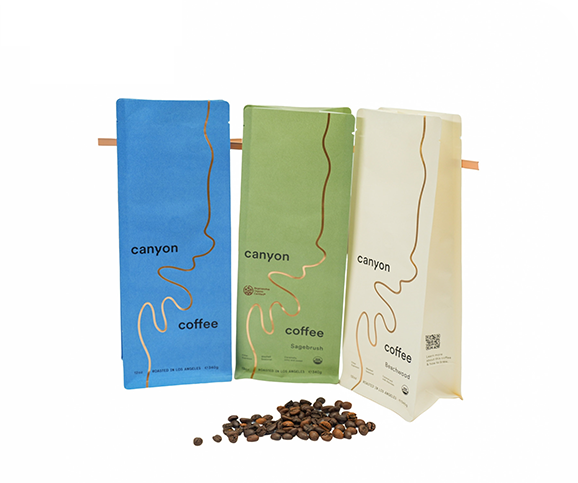
More people care about the environment now. Many shoppers want less plastic in what they buy. They like earth-friendly materials in packaging. People look for labels that are easy to read. They want to know if packaging can be recycled or composted. Here are some top trends in the table below:
Trend | Description |
|---|---|
Biodegradable Materials | Use of PLA and cellulose-based tea bags that break down safely. |
Minimalist Design | Less extra material, but still keeps your brand easy to spot. |
Transparency in Labeling | Clear info about recycling and where ingredients come from. |
Bulk Packaging Options | Bigger packs for loose leaf tea to cut down on waste and lower carbon output. |
People also want to know if tea packaging can be composted at home. Many choose brands that explain how to compost their packaging. You can build trust by being honest about your materials and how you make things.
You have to follow rules when you package tea. These rules keep products safe and honest. The FDA has strict rules for packaging and labeling. Here is a quick look at what you must include:
Element | Requirement |
|---|---|
Product Name | Clearly state the type of tea. |
Net Weight | Show the amount of tea in grams or ounces. |
Ingredients List | List all ingredients in order by weight. |
Certifications | Display any certifications, like organic or fair trade. |
Some rules are different if you sell loose tea by weight. You need to keep up with changes so you do not get fined. This also helps keep your customers happy.
Using sustainable tea packaging can help your brand grow. People trust brands that care about the planet. They often stick with companies that share their values.
Sustainable packaging is now something you must do, not just an option. When you use eco-friendly materials, you build trust and make strong connections with your customers.
Brands like Patagonia Provisions and Lush Cosmetics have more loyal customers after using greener packaging. You can stand out by showing you care about the earth. Eco-friendly packaging helps you earn trust and keeps customers coming back.
You have to pick what materials to use for tea packaging. Each choice changes how much you spend and how it affects nature. Plastic is cheap and strong, but it can hurt the planet. Paper costs more, but it is better for the earth. Tinplate and aluminum last a long time, but they cost more to make. The table below shows how these materials compare:
Material | Cost Impact | Environmental Impact | Durability |
|---|---|---|---|
Plastic | Low cost | High pollution risk | High |
Paper | Higher cost | Eco-friendly | Moderate |
Aluminum | Higher manufacturing | Not eco-friendly | High |
Tinplate | Moderate | Recyclable | High |
You need to think about your money and your green goals. Picking the right material can help your brand stand out.
Making tea packaging costs money in many ways. You pay for machines, land, and building the site. These are called capital costs. You also pay for materials, power, and fixing things. These are operating costs. The table below shows the main things that cost money:
Cost Driver | Description |
|---|---|
Capital Expenditure (CapEx) | Machinery costs are the largest portion of CapEx, including land and site development expenses. |
Operating Expenditure (OpEx) | Significant costs in the first year include raw materials, utilities, and maintenance. |
Inflation Impact | Operational costs are expected to rise due to inflation and market fluctuations over time. |
Eco-friendly packaging can cost more to make at first. You might pay extra to ship and get rid of it. Over time, you can save money by making less waste. Some people will pay more for green packaging, which helps your business grow.
You need to plan how you move and throw away tea packaging. Good waste management can help you spend less. Burning waste can shrink the amount by up to 90%. This means less trash goes to landfills and helps nature. Smart waste plans help you use things better and save money later.
Tip: If you plan your shipping and waste well, you help your business and the earth.
When you use biodegradable or recycled materials, your costs can change. These materials usually cost more than regular plastics. Here are some facts to help you understand:
Biodegradable plastics cost about 20-30% more than normal plastics. This is because they use natural materials and need special steps to make.
As more companies use bioplastics and technology gets better, the price gap may shrink in the future.
If you pick recycled materials, you help the earth and show customers you care. You also get ready for new rules about packaging waste.
You can save money by using less material for tea packaging. Many companies have found smart ways to cut costs and waste:
Numi Organic Tea saved $78,500 each year by reusing boxes and pallets. They made packaging lighter and used cardboard with 85% recycled content.
You can use thinner shrink film or simple designs to avoid extra packaging.
Eco-friendly packaging can also lower your waste and carbon footprint. Using materials that need less energy to make helps you save even more.
Tip: Only use what you need. Less material means you spend less and waste less.
When you look at the total cost of sustainable tea packaging, you need to think about more than just the price of materials. You might pay more at first for eco-friendly options. But you can save money later by paying less to throw away compostable packaging. Lighter materials can also lower your shipping costs. If you buy more at once, you may get discounts. Meeting rules and standards can also change your total costs. Over time, these savings can help balance out the higher starting price.
You can pick smart materials to save money and help the earth. Many brands use compostable stand-up pouches and cellophane bags. Some brands also use custom packaging that is 100% compostable. These packages often have resealable zippers that keep tea fresh and safe.
You can also use recyclable materials or ones made from recycled content. Using recycled paper helps lower your carbon footprint. It also means you do not need as many new resources. FSC-certified paper comes from forests that are cared for. This helps stop deforestation and keeps animals safe. Recycled paper can cost more than plastic. But it helps your brand and the planet in the long run.
Here are some popular materials for tea packaging:
Compostable or recyclable pouches and bags
Paper or cardboard from forests that are managed well
Post-consumer recycled materials
PLA films made from corn starch
Tip: Pick packaging that is food safe and heat sealable. Make sure it comes in sizes that fit your needs.
You can help the earth and save money with better design. Minimalist packaging uses less material. This means you spend less and make less waste. Multi-use and refillable packaging lets people use containers again. This cuts down on new packaging. Zero-waste designs try to stop waste before it starts.
Here is a table with design ideas and their benefits:
Optimization Type | Description |
|---|---|
Eco-friendly materials | Use materials that are better for the earth. |
Minimalist packaging | Use less material to save money and cut waste. |
Multi-use and refillable packaging | Let customers use packaging again. |
Zero-waste packaging | Try to stop waste from happening. |
Recyclable and biodegradable | Pick materials that can be recycled or break down. |
Innovative technologies | Use new tools to make packaging cheaper and better. |
You can also design packaging to keep tea fresh and green. Aluminum foil layers block light and air. This keeps tea fresh. Metalized films protect tea and cost less. Multi-layer laminates help keep the smell and taste. Kraft paper with bio-laminates and compostable ziplocks are good for eco-friendly brands.
Note: Always choose packaging that fits your tea. Good design keeps tea fresh and helps your green goals.
Working with good suppliers helps you save money and stay green. Pick suppliers with certifications like FSC, BPI, or ASTM. These show the materials are good for the earth. Certified suppliers help you avoid fake green claims.
Long-term deals with trusted suppliers give you steady prices. You also get good recycled materials when you need them. This helps you plan and avoid price jumps. You can ask suppliers about custom printing or new green materials.
Tip: Work with suppliers who care about the earth. This makes your tea packaging cheaper and better for nature.
Many brands use compostable packaging for tea. These brands help the planet and keep costs low. Here are some examples: Teatulia uses cardboard canisters you can recycle. Their tea sachets go in your compost bin. Tecpacking and One Earth make wrappers that break down in compost centers. Traditional Medicinals and Clipper use compostable wrappers for tea bags. This cuts waste and helps customers protect the earth. > Choosing compostable packaging shows you care about the planet.
Lots of brands use recyclable materials for tea packaging. You can learn from what they do. 1. Brands use new materials and smart ways to make recyclable packaging that is not too expensive. 2. Mono-material packaging uses one material, so it is easy to recycle and does not mix with other trash. 3. Companies pick machines and steps that make less waste and keep quality high. This saves money and resources. You can use these ideas to make your packaging easier to recycle and save money.
Top brands have learned how to balance cost and sustainability. You can use their ideas for your brand. Biodegradable materials like cornstarch and bamboo break down safely. They do not hurt the earth. Compostable packaging turns into compost and helps plants grow. Minimalistic packaging uses fewer layers and lighter designs. This means less waste and lower costs. Refillable options let customers use containers again. This means you do not need as much single-use packaging. > Try these ideas to help the planet and your business.
Start by checking what packaging you use now. A packaging audit helps you see what you do well and what you can fix. Here are some easy steps to follow:
Look at your current impact on the environment. Check what materials you use and how much waste you make.
Find eco-friendly packaging choices. Search for compostable or recyclable options that work for you.
Work with suppliers who have sustainable materials.
Teach your team about green habits. Make sure everyone knows why these changes are important.
Tell your customers about your green promises. Use clear labels and share your story.
Tip: Use simple designs to use less packaging. Simple packaging saves money and makes less waste.
You need clear goals to see your progress. Measurable targets help you know what works and what needs more work. Many brands now use biodegradable and compostable packaging. This change can make more people want your tea by 20-30%. You can set goals like using compostable pouches or cutting down on plastic.
Goal Type | Example Target |
|---|---|
Material Change | Use 100% recyclable or compostable tea bags |
Waste Reduction | Cut packaging waste by 15% in one year |
Consumer Communication | Add recycling info to all packaging labels |
You can also watch what other brands do. Many now use paper and foil instead of plastic. These choices keep tea safe and help the earth.
Check your progress often to see how you are doing. Regular reviews help you find new ways to save money and help the planet. Try these ideas:
Use fewer layers to stop overpackaging.
Pick biodegradable and compostable materials for tea bags.
Use stand-up pouches to keep tea fresh and make less waste.
You can also get better by making your manufacturing process work faster. Design packaging that people can reuse or recycle. When you show you care about the earth, customers trust you more and stay loyal.
Note: Small changes matter. Keep finding ways to make your packaging better for your business and the planet.
You can keep costs low and help the earth by picking smart materials, making better designs, and working with good suppliers. Look at your packaging now and see what you can change.
Technology lets you find trusted suppliers and watch your spending.
Check for certifications and see if suppliers meet industry rules.
More people want ‘green’ tea packaging boxes. This is making tea companies look for ways to stop waste and pollution.
Keep learning new things and be ready to change. Using biodegradable materials and simple designs helps you give customers what they want and care for the planet.
Paper with recycled content is usually cheaper than other green choices. You can also use light cardboard or mono-material pouches. These options help you spend less and make less trash.
Check for labels like FSC, BPI, or ASTM on the box. These show the materials follow tough earth-friendly rules. You can also see if the package can be recycled or composted.
Yes, many green materials keep tea safe and fresh. You can use compostable films, resealable pouches, or paper with special layers. These keep out air and water, so your tea stays good.
You can often switch by using less stuff or picking simple styles. Buying in bulk and working with certified suppliers helps keep costs down. Many brands find ways to stay green and not charge more.

