


A leaking pouch can ruin a good product. It can also hurt your brand fast. A spout pouch needs the right seal, not just a tight cap. In this article, you will learn how to seal it, test it, and avoid common failures.
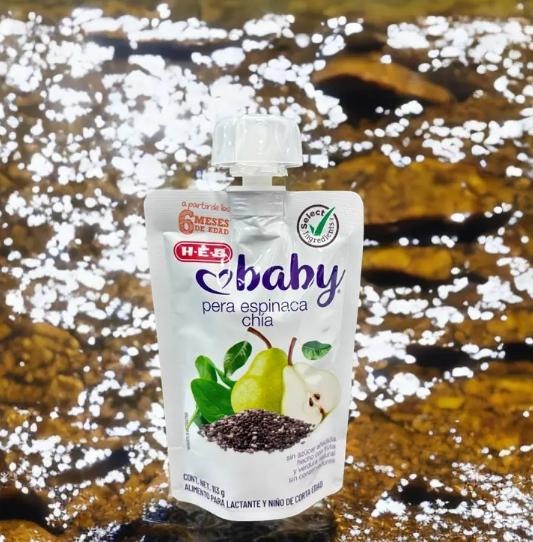
● A spouted pouch can be sealed through the cap, top edge, or side edge. The right method depends on the pouch design and filling route.
● Clean seal areas matter. Oil, sauce, powder, or water in the sealing zone can cause leaks.
● Heat, pressure, and dwell time must match the film structure. One setting does not fit every spout pouch.
● Cap torque is important when filling through the spout. A loose cap leaks, while an overtight cap may damage the thread.
● Thick sauces, gels, and purees need slower filling and better residue control.
● Leak testing should happen before shipment. Visual checks alone are not enough.
● Custom spout position, cap type, and material structure should be confirmed before mass production.
A spout pouch is not sealed like a simple flat bag. It has flexible film, a rigid spout, a cap, and often a bottom gusset. These parts must work together. If one part fails, the whole package may leak.
Most sealing problems start before the final seal. The pouch may be overfilled. The filling nozzle may splash product onto the seal area. The cap may not match the spout thread. The film structure may need different heat settings.
A good seal protects the product during storage, shipping, and daily use. It also helps the pouch keep its shape on the shelf. For liquid and semi-liquid products, this is especially important. Juice, sauce, oil, detergent, lotion, and baby food all move inside the pouch during transport.
Note: A strong seal is not only about high heat. Too much heat can burn the film and weaken the pouch.
Start by checking the pouch format. Some pouches are filled through the spout. Some are filled through an open top. Others are filled through an open side. Each design needs a different final sealing process.
Before filling, inspect the pouch body. Look at the bottom gusset, side seams, spout fitment, and cap thread. Do not use pouches with wrinkles near the seal zone. Small defects can become large leaks after pressure builds inside the pouch.
Next, fill the pouch to the correct level. Do not fill it to the very top. A pouch needs headspace because liquids expand and move. If the product touches the sealing area, the final seal may not bond well.
Keep the seal zone clean. This step is simple but critical. Product residue blocks the inner plastic layer from melting together. Water, oil, sugar, powder, and sauce can all reduce seal strength.
After filling, apply the correct closure. If the pouch is filled through the spout, the cap becomes the final seal. The cap must sit straight and close with proper torque. If the pouch is filled from the top or side, seal the open film edge with heat or ultrasonic energy.
Let the pouch cool before pressure testing. A hot seal may look finished, but it can still be soft. If operators squeeze it too soon, the seal may stretch or deform.
Finally, test it. Use visual inspection first. Then use squeeze, drop, vacuum, or pressure testing for better proof. A sealed pouch should not leak from the cap, spout base, side seam, top edge, or bottom gusset.
Tip: Keep one sealed sample from every production batch. It helps compare seal quality when problems appear later.
The right sealing method depends on how the pouch is filled. The three common options are through-spout filling, top filling, and side filling.
Through-spout filling uses the spout as the filling point. The pouch body arrives already sealed. Product enters through the spout opening. Then the cap is applied. In this case, cap sealing and torque control are the main tasks. This method suits many thin liquids and automated filling lines.
Top filling keeps the top edge open. Product enters through the wide opening. Then heated jaws seal the top edge. This method works well for thicker products, purees, sauces, or products with small particles. It gives more space for filling and reduces blockage risk.
Side filling leaves one side open. Product enters through that side. Then the side is sealed vertically. This design may suit special pouch shapes or small spout openings. It needs careful pouch alignment because side seals can wrinkle more easily.
Heat sealing is the common choice for top-fill and side-fill pouches. It uses heat, pressure, and time to melt the inner sealant layer. Ultrasonic sealing uses vibration energy. It can help when minor product residue is hard to avoid.
Sealing Method | Best Use | Main Risk | Key Control Point |
Cap sealing | Through-spout filling | Loose or damaged cap | Torque control |
Top heat sealing | Wide-mouth filling | Residue in top seal | Clean seal zone |
Side heat sealing | Special pouch shapes | Wrinkled side seam | Pouch alignment |
Ultrasonic sealing | Difficult liquid products | Higher equipment cost | Seal validation |
A spout pouch often uses laminated film. Each layer has a job. The outer layer supports printing and appearance. Middle layers may improve barrier strength. The inner layer creates the final seal.
The inner sealant layer is the most important part during heat sealing. It must soften enough to bond. If the heat is too low, the seal may peel open. If the heat is too high, the film may shrink, burn, or become brittle.
Temperature, pressure, and dwell time must work together. Temperature controls melting. Pressure holds the layers together. Dwell time gives the seal enough contact time. Changing only one setting may not solve the issue.
Thicker film often needs more dwell time. Foil-based or high-barrier laminates may need more careful heat transfer. Pouches used for hot-fill, cold-fill, freezing, or room-temperature storage should be tested under real conditions.
Do not assume two pouches seal the same because they look similar. Film thickness, spout position, gusset shape, and cap design can all change performance.
Note: Always test sealing settings before mass production, especially for a new product formula or new pouch size.
Seal contamination is one of the most common causes of leakage. It happens when product enters the sealing area before closure. Once residue sits there, heat cannot create a clean bond.
Thin liquids may splash during fast filling. Thick sauces may leave strings or drops from the nozzle. Oils can coat the seal area and block bonding. Powders can create dust near the closure zone.
The easiest way to prevent contamination is better filling control. Use the right nozzle size. Place the nozzle deep enough to reduce splashing. Use anti-drip nozzles when filling oils, gels, or sauces. Slow the filling speed for viscous products.
Product viscosity also matters. Water flows quickly. Lotion moves slowly. Fruit puree may contain particles. Each product needs a matching filling method. Poor matching causes waste, mess, and weak seals.
Headspace is another key point. A pouch filled too high creates pressure near the seal area. During transport, the product pushes against seams and the cap. This pressure may expose weak bonding.
Tip: If leaks appear randomly, check filling behavior before changing pouch material. Splashing often causes inconsistent defects.
Small batches can use a manual impulse sealer. It is simple and affordable for testing. It works best for samples, trials, and low-volume runs. However, results depend on the operator. Pressure, placement, and timing can vary.
A continuous band sealer is better for regular production. It moves pouches through heated belts. It gives more consistent heat and pressure. Some machines also support date coding. This option is common for top-fill or side-fill formats.
Automatic filling and capping machines are used for through-spout filling. They fill through the spout, place the cap, and apply controlled torque. They can improve speed and reduce handling errors.
Ultrasonic systems are useful for difficult products. They may help when liquid residue cannot be fully removed from the seal zone. They are also useful when heat exposure must be controlled. The investment is higher, so it should be tested against actual defect rates.
The best equipment choice depends on volume, product type, pouch style, labor cost, and quality needs. A startup may begin with manual sealing. A larger factory may need automatic filling, sealing, and inspection.
A sealed pouch should pass more than a visual check. Visual inspection is still useful. Look for wrinkles, uneven seals, bubbles, burned areas, and cap misalignment. Also check the spout base and gusset corners.
A squeeze test can reveal obvious leaks. Apply gentle pressure to the pouch body. Watch the cap, side seams, top seal, and bottom area. If bubbles or drops appear, the seal is weak.
A drop test checks handling strength. Drop the filled pouch from a controlled height. Then inspect it again. This test helps simulate packing, delivery, and shelf handling.
Vacuum testing can find small leaks. The pouch is placed in a chamber. A leak may appear as air bubbles or pressure loss. This test is more reliable than visual inspection alone.
Cap torque testing is important for through-spout designs. The cap must be tight enough to seal. It must also be easy for users to open. A damaged cap thread may pass visual checks but fail during transport.
Test Type | What It Checks | When to Use |
Visual check | Seal appearance | Every batch |
Squeeze test | Obvious leaks | Small runs and sampling |
Drop test | Transport stress | Product validation |
Vacuum test | Micro-leaks | Production quality control |
Torque test | Cap closure strength | Through-spout filling |
If the pouch leaks near the spout, check the cap first. The cap may be loose, tilted, or cross-threaded. The spout base may also be weak. Inspect the fitment area and confirm the cap matches the spout.
If the top or side seal peels open, the sealing conditions may be too weak. Increase dwell time first. Then adjust temperature and pressure. Also confirm the inner film layer is suitable for heat sealing.
If the seal looks burned or brittle, the heat may be too high. Reduce temperature or increase machine speed. Too much pressure can also deform the film. A strong-looking seal can still fail if it becomes brittle.
If leakage happens after shipping, pressure may be the issue. The pouch may be overfilled. The product may expand. Boxes may be stacked too tightly. Test the pouch under real shipping conditions before launch.
If residue keeps breaking the seal, improve filling control. Reduce fill speed. Clean the sealing area. Use anti-drip nozzles. For difficult products, test ultrasonic sealing.
A good troubleshooting process starts with the defect location. Cap leaks, spout leaks, top seal leaks, and gusset leaks do not have the same cause. Do not change all settings at once. Adjust one variable, test it, and record the result.
Sealing a spout pouch well starts before the final closure. You need the right filling route, clean seal zones, suitable material, and proper testing. Qingdao Colorful Printing Packaging Co., Ltd. offers custom spout pouch solutions with flexible spout, cap, printing, and material options. These features help brands improve leak resistance, shelf appeal, and product convenience.
A: It depends on the filling route. A spout pouch may need cap sealing, top heat sealing, or side sealing.
A: Common causes include overfilling, residue in the seal zone, weak heat settings, or poor cap torque.
A: Yes, small batches can use a manual impulse sealer, but results need careful testing.
A: It can help when liquid residue affects the seal, but it costs more.
A: Cost depends on speed, automation, filling method, and testing needs.
A: Yes. Poor torque can cause leaks or make the pouch hard to open.

