
Views: 0 Author: Site Editor Publish Time: 2026-08-10 Origin: Site


Packaging failures during transit carry compounding financial and reputational costs. When flexible packaging containing liquids or semi-liquids ruptures, the resulting damage extends far beyond the single compromised unit. Leaks ruin surrounding inventory, trigger retail rejections, and severely damage brand trust. The unique vulnerabilities of flexible formats require rigorous evaluation to survive modern supply chains.
While flexible packaging offers significant logistical advantages, inconsistent drop testing protocols often lead to catastrophic leaks. Poorly designed testing fails to account for hydrostatic shock upon impact. When a liquid-filled pouch strikes a hard surface, kinetic energy creates massive internal pressure spikes. These spikes target structural weak points, compromising product safety and shelf viability.
Establishing a rigorous, standardized drop testing framework is essential. A proper protocol evaluates structural integrity, validates supplier claims, and ensures compliance with industry standards before scaling production. Implementing these methodologies allows brands to identify vulnerabilities early, optimize material selection, and confidently deploy flexible packaging solutions into demanding distribution environments.
Standardization is Mandatory: Reliable drop testing requires strict adherence to standardized heights, angles, and environmental conditions (e.g., ASTM or ISO frameworks) rather than arbitrary internal checks.
Identify the Weakest Links: Impact durability testing must specifically isolate high-risk failure points, including fitment welds, cap torque, side seals, and bottom gussets.
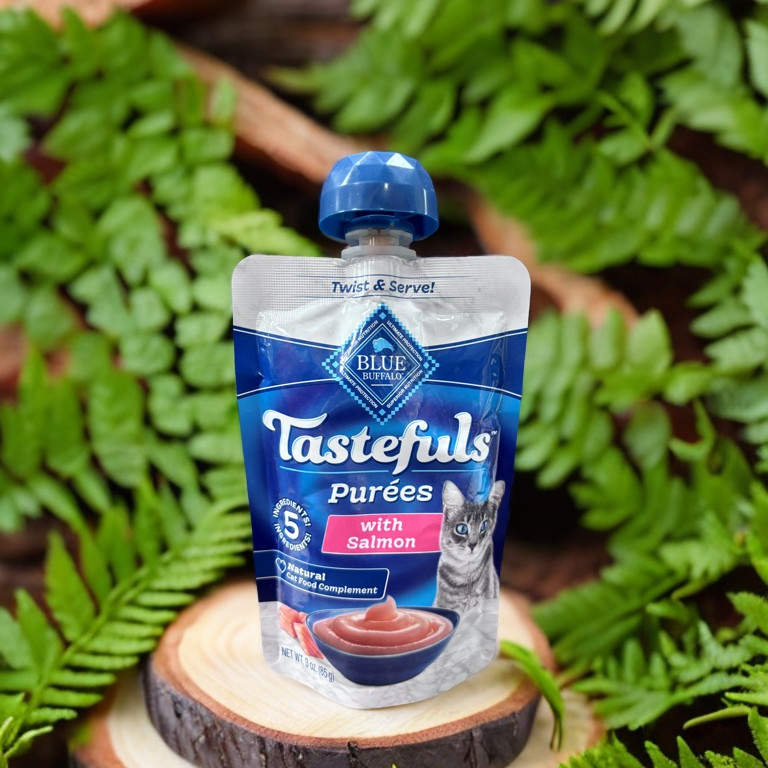
Contextual Variables Matter: Fill volume, headspace, pouch geometry (such as Doypack vs. flat pouch configurations), and product density (e.g., heavy contents like Wet Pet Food Packaging) drastically alter impact dynamics and must be replicated exactly during testing.
Testing Must Be Holistic: Drop testing is only one vector of evaluation; it must be combined with puncture resistance (measuring pin-press force values), compression, and peel force testing for a complete quality assurance profile.
Kinetic energy transfers rapidly through liquid contents upon impact. When a flexible pouch hits a rigid surface, the fluid inside cannot compress. The sudden deceleration forces the kinetic energy outward against the flexible film walls. This dynamic reaction is known as hydrostatic shock. In field applications, we see this manifest as instantaneous seal blowouts rather than slow leaks.
This energy creates sudden, immense internal pressure spikes. The fluid displacement aggressively targets the weakest structural points of the packaging. Typically, the spout seal or the bottom gusset absorbs the brunt of this force. If the weld strength cannot withstand the peak pressure, the pouch will rupture instantly. Engineers must calculate the exact kinetic energy generated by the specific volume and mass of the product to design adequate seal strength.
To mitigate hydrostatic shock, packaging engineers often adjust the corner radii of the pouch design. Sharp corners concentrate stress, while rounded corners distribute the fluid force more evenly across the seal area. We also analyze the film's elongation properties. A film that stretches slightly under pressure can absorb a fraction of the shock, reducing the immediate load on the rigid fitment weld.
Packaging high-density, high-viscosity products introduces specific mechanical challenges. Dense liquids carry more mass, which directly increases the kinetic energy generated during a fall. Viscous products also behave differently upon impact, creating localized pressure zones rather than distributing the force evenly across the pouch interior. Gravy-based or gel-based products do not flow quickly enough to dissipate energy, causing severe localized stress.
The weight-to-surface-area ratio in Wet Pet Food Packaging exacerbates impact force. Heavy, moisture-rich contents require specialized film structures to prevent blowouts. Manufacturers must utilize reinforced fitment welding and robust laminate layers to contain these dense materials safely during transit. Standard polyethylene blends often fail under these conditions, necessitating the integration of biaxially oriented nylon (BON) for added impact resistance.
Furthermore, the particulate matter often found in these products acts as internal projectiles during a drop. Bone fragments or dense meat chunks can strike the interior film wall simultaneously with the hydrostatic shock wave. This dual-threat requires the laminate to possess exceptional puncture resistance alongside high burst strength.
The chemical composition of the filled product directly affects seal integrity. Acids, essential oils, and aggressive surfactants can degrade laminate layers over time. This chemical interaction weakens the fitment seal, making the pouch significantly more susceptible to impact failures weeks or months after filling. We frequently observe this in citrus-based cleaners or high-fat food products where the inner sealant layer begins to swell or delaminate.
Conducting drop tests using the actual product formulation is mandatory. Water simulants fail to account for chemical-induced seal degradation. Testing with the real product ensures the evaluation accurately reflects the structural reality of the packaging at the end of its shelf life. A pouch that passes a water-drop test on day one might fail catastrophically on day ninety when filled with an aggressive surfactant.
To properly evaluate chemical interactivity, we implement accelerated aging protocols. Pouches are filled with the actual product and stored in environmental chambers at elevated temperatures (typically 40°C to 50°C) for several weeks. This simulates months of shelf life. Only after this aging process do we subject the pouches to the drop test apparatus.
Zero-failure expectations are unrealistic at scale. High-speed manufacturing inherently produces minor variances. Brands must establish an acceptable Quality Acceptance Limit (AQL) to define practical pass/fail thresholds. This statistical approach ensures consistent quality without demanding impossible perfection. For standard retail liquids, an AQL of 1.5 to 2.5 is common, whereas hazardous chemicals require much stricter tolerances.
Distinguishing between cosmetic damage and critical failure is vital. Cosmetic damage includes minor creasing or slight surface delamination. These issues do not compromise the product. Critical failure involves a breach of the barrier or active leaking. Any loss of hermetic integrity constitutes an immediate failure. We document all cosmetic damage, as repeated creasing in the same location often indicates a design flaw that could lead to critical failure in harsher distribution environments.
When setting tolerances, consider the secondary packaging. If the pouches are shipped in heavy-duty corrugated cartons with internal dividers, the individual pouch drop requirements might be slightly relaxed. However, if the product is intended for direct-to-consumer e-commerce shipping in a simple poly mailer, the pouch itself must survive severe, unmitigated impacts.
Impact testing must systematically evaluate specific structural zones. Pouches with Spouts feature several distinct transition points that require close observation post-drop. We map these zones and record the exact location of every failure to identify manufacturing trends.
Fitment Welds: Assess the integrity of the seal where the rigid spout meets the flexible film. This transition zone is highly vulnerable to shear forces. We look for stress whitening in the plastic, which indicates near-failure.
Cap Torque: Evaluate if the impact causes the cap to unthread, crack, or lose its hermetic seal. Improper torque application often reveals itself during drop testing. We use digital torque meters to verify application and removal torque before and after the drop.
Bottom Gussets: Monitor for blowouts caused by rapid fluid displacement. The bottom gusset often absorbs maximum pressure during flat drops. The K-seal or Doyen seal geometry must be inspected for micro-tears at the vertex.
Side Seals: Check the longitudinal seals for channel leaks. These often occur if the sealing jaws on the production line had uneven pressure or temperature distribution.
Visible ruptures are easy to identify, but non-visible micro-leaks pose a silent threat. Establishing methods to detect these tiny breaches post-drop is critical. Operators can perform sensory checks, listening for faint hissing sounds. Physical "balloon firmness" squeeze tests also help identify pressure loss, though they rely heavily on operator experience and are not entirely objective.
Bubble emission vacuum testing provides a more scientific diagnostic method. Submerging the pouch in water under a vacuum quickly reveals escaping air. Slow-escaping air or moisture indicates a failed barrier, even if the pouch retains its general physical shape. A compromised barrier leads to rapid product spoilage. We typically pull a vacuum of -0.5 to -0.8 bar and hold it for 30 seconds to ensure even the smallest capillaries are detected.
For highly sensitive products, we utilize trace gas leak detection. The pouch is flushed with a tracer gas, such as helium or a hydrogen/nitrogen mix, before sealing and dropping. Post-drop, a sniffer probe detects any gas escaping through micro-fissures. This method is highly accurate and eliminates the subjectivity of visual bubble inspections.
Industry-standard drop heights depend on product weight and the intended distribution environment. E-commerce parcel shipping requires different parameters than palletized retail freight. Referencing established standards like ASTM D5276 ensures testing aligns with real-world hazards. We do not guess drop heights; we calculate them based on the 95th percentile of expected transit drops.
Testing requires a rigid, unyielding drop surface. Steel or solid concrete floors are mandatory. Using a yielding surface dampens the impact, skewing the results and providing a false sense of security. Consistent energy transfer is essential for accurate evaluation. The impact surface must be massive enough that it does not move or vibrate upon impact, ensuring 100% of the kinetic energy is absorbed by the packaging.
Distribution Environment | Typical Drop Height | Primary Hazard Focus | Testing Standard Reference |
|---|---|---|---|
E-commerce Parcel (Single Unit) | 36 to 48 inches | Individual handling, sorting chutes, porch drops | ISTA 3A / ASTM D7386 |
Palletized Freight (Bulk) | 12 to 24 inches | Forklift handling, pallet drops, warehouse stacking | ISTA 1A / ASTM D5276 |
Retail Display (Shelf Ready) | 24 to 36 inches | Shelf stocking, consumer drops, cart impacts | Internal QA Protocols |
Air Freight (High Altitude) | 36 inches (Post-Chamber) | Pressure differentials combined with rough handling | ASTM D6653 |
Testing multiple impact angles is non-negotiable. A comprehensive protocol includes drops flat on the face, edge drops, bottom gusset drops, and the highly critical spout-down drop. Each orientation stresses different seals, material joins, and the rigid-to-flexible transition zone. A pouch that survives a flat drop might fail immediately on a spout-down drop due to the concentrated shear force on the fitment.
Structural differences dictate impact resistance. Doypack (stand-up) configurations distribute force differently than flat three-side-seal designs. The bottom gusset of a Doypack expands under pressure, absorbing some shock. Flat pouches lack this expansion capability, placing immediate stress on the side seals. We use high-speed cameras to observe the exact millisecond of impact, analyzing how the film deforms and where the stress waves travel.
When testing pouches with spouts, the angle of the spout insertion matters. Corner-mounted spouts experience different torque dynamics during an edge drop compared to center-mounted spouts. The testing apparatus must hold the pouch at precise angles (e.g., exactly 45 degrees for a corner drop) using a vacuum arm or break-away support to ensure repeatable impact geometry.
Headspace management requires careful calculation. Too much air acts as a balloon, leading to explosive burst failures upon impact. Conversely, too little air leaves no room for fluid displacement. Without displacement room, the fluid immediately attacks the seals, causing blowouts. We calculate the optimal headspace ratio based on the product's specific gravity and the film's elasticity.
Testing must utilize exact production fill volumes. Arbitrary capacities render the test data useless. A framework for testing at precise fill levels ensures the internal dynamics match the final commercial product exactly. If the production line fills at 500ml with a +/- 5ml variance, the test samples must reflect this exact range.
We also account for gas-flushing. If the product is nitrogen-flushed to displace oxygen, the internal pressure of the pouch is already higher than ambient before the drop. This pre-existing tension reduces the amount of kinetic energy the pouch can absorb before rupturing. Drop tests must be conducted on pouches sealed under the exact atmospheric conditions of the production line.
Static load testing measures stacking capacity. Dynamic burst testing complements drop tests by measuring overall seal strength and film elasticity. Together, these evaluations provide a complete picture of mechanical durability. We place the pouch between two parallel platens and apply increasing force until failure, recording the peak load.
Pressure-under-load testing simulates storage conditions. Filled, sealed pouches are subjected to targeted mechanical force over an extended period. This creep testing identifies slow seal degradation that a sudden drop test might miss. A pouch might survive a 48-inch drop but fail after 72 hours under a 50kg static load due to microscopic yielding in the sealant layer.
We also utilize dynamic compression testing to simulate the vibration and bouncing experienced in the back of a delivery truck. The pouches are placed on a vibration table under a top load and shaken at specific frequencies for several hours. This evaluates the fatigue resistance of the fitment weld and the film structure.
Spout integration requires precise tensile testing. Operators pull the pouch film away from the spout to measure the exact force required for separation. This methodology quantifies the weld strength. We cut a 15mm or 25mm strip of film directly adjacent to the spout and pull it at a constant rate of 300mm/minute using a universal testing machine.
The fitment weld strength must consistently exceed the peak stresses generated during a drop event. If the peel force is lower than the hydrostatic shock value, the spout will detach upon impact. Regular tensile testing verifies manufacturing consistency. We monitor the failure mode: whether the film tears (good), the seal peels cleanly (bad), or the spout plastic yields.
Temperature heavily influences tensile strength. We conduct peel tests at ambient temperature, but also at elevated temperatures (e.g., 60°C) to simulate hot-fill processes or summer shipping conditions. Heat softens the polyethylene sealant, drastically reducing the force required to peel the spout from the film.
Evaluating the film's resistance to sharp objects ensures overall survivability. A standardized pin-press test measures the force required to breach the laminate. The packaging must survive both internal product edges and external transit hazards. We use a specialized probe with a defined radius (e.g., 0.8mm) driven into the taut film.
Recording peak force values in Newtons establishes quantifiable performance baselines. This data allows engineers to compare different laminate structures objectively. High puncture resistance directly correlates with improved drop survival rates, especially when the pouch impacts uneven surfaces or debris on a warehouse floor.
We also evaluate the tear propagation resistance. Once a puncture occurs, how easily does the film continue to tear? Materials with high orientation, like certain polyesters, might have high initial puncture resistance but will zipper open catastrophically once breached. We balance puncture strength with tear resistance using specialized co-extruded sealant webs.
Material selection involves balancing competing priorities. Nylon offers exceptional puncture and drop resistance. PET and Foil structures provide superior oxygen and moisture barriers. Engineers must evaluate these decision dimensions based on the specific product requirements. A four-ply structure (PET/ALU/NY/PE) offers excellent barrier and drop resistance but is stiff and prone to flex-cracking.
Multi-layer laminations prevent impact-induced delamination. However, adding layers increases costs. Analyzing the cost-to-performance trade-offs ensures the chosen structure provides adequate protection without unnecessary expense. We often substitute rigid foil with high-barrier transparent coatings (like AlOx or SiOx on PET) to improve flexibility and drop survival while maintaining oxygen protection.
The thickness of the sealant layer (typically LLDPE or CPP) is directly proportional to the caulking ability around the spout fitment. A thicker sealant layer flows better during the heat-sealing process, filling in the microscopic gaps around the rigid plastic ribs of the spout. We specify minimum sealant thicknesses based on the spout geometry.
Supplier capabilities regarding spout integration vary widely. Ultrasonic welding and heat welding offer different advantages. Assessing a supplier's specific machinery and expertise is necessary for long-term success. Heat welding relies on conduction and requires precise temperature control, while ultrasonic welding uses high-frequency friction to melt the plastic, often resulting in a cleaner, stronger bond.
Evaluation must focus on manufacturing scalability. A supplier might produce perfect R&D prototypes but fail to maintain weld consistency across millions of units. Verify their in-line quality control systems before awarding large contracts. We audit their facilities to ensure they have automated vision systems checking spout alignment and thermal imaging cameras monitoring seal jaw temperatures.
The resin used for the spout itself must be compatible with the pouch's inner sealant layer. Mismatched melt indexes between the spout (e.g., High-Density Polyethylene) and the film (e.g., Linear Low-Density Polyethylene) result in weak interfacial bonds. We require suppliers to provide differential scanning calorimetry (DSC) data proving the melting points align.
Conducting drop tests at ambient room temperature introduces significant risk. Products often ship in freezing or high-heat conditions. Ambient testing ignores the physical changes materials undergo in extreme temperatures. Polypropylene, for example, becomes highly brittle below freezing, shattering upon impact.
Mandate environmental conditioning prior to drop testing. Subject the pouches to temperature and humidity cycling. This conditioning evaluates material embrittlement in the cold or seal softening in the heat, providing accurate real-world data. We condition samples at -18°C for 24 hours for frozen distribution, and 50°C for 24 hours for summer transit simulation, dropping them immediately upon removal from the chamber.
Humidity also plays a role, particularly for structures utilizing Nylon (BOPA). Nylon absorbs ambient moisture, which acts as a plasticizer, making the film tougher and more drop-resistant. Testing dry, freshly manufactured Nylon pouches will yield different results than testing pouches that have equilibrated in a humid warehouse for a month.
The "golden sample" phenomenon is a common pitfall. R&D pouches often pass drop tests flawlessly. However, mass-produced units fail due to machine speed variances and heat-sealing fluctuations on the production line. Hand-sealed prototypes receive optimal dwell time and pressure, which is impossible to replicate at 120 pouches per minute.
Establish strict in-line quality control requirements to mitigate this risk. Implement randomized batch drop-testing protocols directly with the manufacturer. Continuous monitoring ensures production units match the approved prototype specifications. We require operators to pull five consecutive pouches from every lane of the machine every hour and subject them to a pass/fail drop test.
Document the exact machine settings used during the successful pilot run. Seal bar temperatures, jaw pressure, dwell time, and line speed must be locked in. Any deviation from these validated parameters requires a new round of drop testing to confirm the seal integrity has not been compromised.
Implement a multi-axis drop testing protocol utilizing exact product formulations and precise fill volumes to accurately simulate field conditions.
Mandate environmental conditioning for all test samples to evaluate material embrittlement and seal softening under real-world transit extremes.
Select packaging partners based on their ability to provide transparent, documented QA testing data, including peel force and burst tests, rather than relying on theoretical material specifications.
Initiate a pilot testing phase to establish baseline metrics and validate machine settings before committing to full-scale production runs.
A: The standard drop height depends on the product weight and distribution model. For individual e-commerce handling, heights typically range from 36 to 48 inches. Palletized freight testing usually utilizes lower heights. Always reference established frameworks like ASTM D5276 to determine the appropriate parameters for your specific application.
A: Headspace acts as a pneumatic shock absorber. Trapped air absorbs some kinetic energy during impact. However, excessive headspace causes the pouch to act like a balloon, leading to explosive burst failures. Insufficient headspace leaves no room for fluid displacement, causing immediate seal blowouts. Precise fill-volume testing is essential.
A: The fitment weld represents the transition point between rigid plastic and flexible film. This junction creates a natural stress concentration point. During hydrostatic shock, the rapid fluid displacement forces immense pressure against this specific area. If the weld lacks sufficient tensile strength, the spout detaches or the seal ruptures.
A: Yes, but only if the pouches undergo environmental conditioning prior to the drop test. Pouches must be frozen or heated to simulate real-world transit extremes. Cold temperatures cause film embrittlement, while high heat softens seals. Testing at ambient temperatures fails to account for these critical material changes.
A: A drop test measures dynamic impact and the rapid transfer of kinetic energy. It simulates a sudden fall. A burst test measures static or gradually increasing internal pressure. It evaluates overall seal strength and film elasticity by inflating the pouch until it fails. Both tests are necessary for comprehensive evaluation.
A: General flexible packaging standards apply, but the high density and moisture content of wet pet food demand more stringent evaluation. The heavy mass increases impact force significantly. Testing must focus heavily on bottom gusset durability and multi-layer barrier integrity to prevent micro-leaks and subsequent product spoilage.
A: Micro-leaks are detected through several methods. Physical squeezing verifies firmness; a soft pouch indicates pressure loss. Operators can also listen for faint hissing sounds. For precise diagnostics, performing a bubble-emission vacuum test quickly identifies microscopic fissures in the seals or laminate layers.

