
Views: 0 Author: Site Editor Publish Time: 2026-07-30 Origin: Site


Consumer expectations for multi-use packaging have shifted resealable closures from a premium feature to a baseline requirement for perishable and multi-serve products. Brands utilizing standard heat-sealed packaging face a trade-off: maintaining low per-unit packaging costs versus mitigating product degradation, staling, and poor user experience after the initial opening. A standard tear notch offers no secondary protection, leaving sensitive contents exposed to oxygen and moisture the moment the consumer opens the bag.
Evaluating the addition of a resealable zipper requires a strict assessment of barrier integrity, filling line compatibility, and overall cost-to-value ratio. You need to understand how different zipper profiles interact with your specific product state, whether you run fine powders, granular solids, or moisture-sensitive snacks. This guide breaks down the technical and operational impacts of integrating resealable closures into your packaging strategy. We cover how to select the right closure mechanism, assess operational trade-offs on the packaging floor, and determine when a format upgrade makes sense for your production line.
Extended Shelf Life Post-Opening: Resealable zippers maintain the internal environment of a flat barrier pouch by limiting continuous oxygen and moisture exposure after the initial seal is broken.
Closure Specialization: Selecting the right zipper structure (e.g., double flange, slider, or pull-tab) depends strictly on product state (powder, liquid, granular) and required seal strength.
Operational Trade-offs: Integrating zippers impacts automated filling speeds and requires specific heat-sealing calibration to prevent track distortion.
Format Scalability: Brands must evaluate whether modifying existing flat barrier pouches is more cost-effective than transitioning entirely to stand up pouches with zippers based on retail display requirements.
Understanding the core function of standard packaging is the first step in evaluating closure upgrades. A standard flat barrier pouch typically utilizes a 2-seal or 3-seal lay-flat design. These pouches rely on multi-layer laminates to protect the product. Materials like EVOH, metallized PET, and aluminum foil are laminated together to block the Oxygen Transmission Rate (OTR) and Moisture Vapor Transmission Rate (MVTR). This factory-level seal ensures maximum shelf life while the product remains unopened on the retail shelf. Plant operators monitor these laminate structures closely, running burst tests and vacuum chamber checks to verify that the primary seals hold up under pressure.
When you run these materials on the floor, the focus is entirely on the integrity of the perimeter seals. The heat jaws melt the inner sealant layer—usually a polyethylene (PE) or polypropylene (PP) blend—creating a fused bond that locks out the external environment. This baseline hermetic seal is non-negotiable for food safety and product stability.
Barrier properties are instantly compromised once a standard tear notch is used. The protective environment created by the multi-layer laminate vanishes. Oxygen rushes in, and moisture levels equalize with the surrounding environment. This leads to rapid product degradation, staling, and loss of volatile aroma compounds. Without a resealable option, consumers often resort to folding the bag or using external clips, which fail to provide an adequate environmental shield.
Consider a product like beef jerky or roasted coffee. The moment that top seal is torn away, the clock starts ticking. Moisture either escapes, turning the jerky into shoe leather, or enters, making the coffee beans stale. The multi-layer film you paid a premium for is now effectively useless because the top of the package is wide open.
A polymer-based zipper track acts as a secondary, mechanical barrier. When engaged, the interlocking tracks significantly slow environmental exchange. This mechanical seal protects delicate aromas and prevents leaks during the product's in-home lifecycle. While it does not replace the initial heat seal, it provides a highly effective barrier against ambient humidity and oxygen, extending the usable life of multi-serve products.
The zipper itself is extruded from compatible polymers and bonded to the inner web of the pouch film during the converting process. When the consumer presses the tracks together, the male and female profiles lock. This physical barrier restricts airflow. It is not perfect, but it drastically reduces the rate of OTR and MVTR compared to an open bag.
It is important to clarify the exact capabilities of mechanical closures. Zipper closures significantly reduce environmental exposure during storage and handling. However, they do not recreate a 100% factory-level hermetic seal once opened. Micro-channels can exist where the zipper tracks meet the side seams of the pouch. You must set realistic expectations for post-opening shelf life based on the specific zipper profile and the sensitivity of your product.
During production, the area where the zipper ends meet the side seals—often called the zipper crush area—is a notorious weak point. If the sealing jaws do not apply enough pressure and heat to fully melt the zipper ends into the side gussets or seams, you get capillary leaks. We test for this using dye penetration tests on the floor to ensure the crush zone is fully fused.
The structural support of a closed zipper provides unexpected benefits before the product even reaches the consumer. The reinforced track prevents accidental bursting and product exposure during rough handling, shipping, and retail stocking. The added rigidity at the top of the pouch absorbs impact forces that might otherwise rupture a standard heat seal, reducing unsellable inventory and return rates.
When cases of pouches are palletized and shipped, they undergo significant compression and vibration. The thick polymer mass of the zipper track acts like a structural beam across the top of the pouch. This helps distribute shock loads, preventing the primary heat seal from taking the full force of a drop or impact.
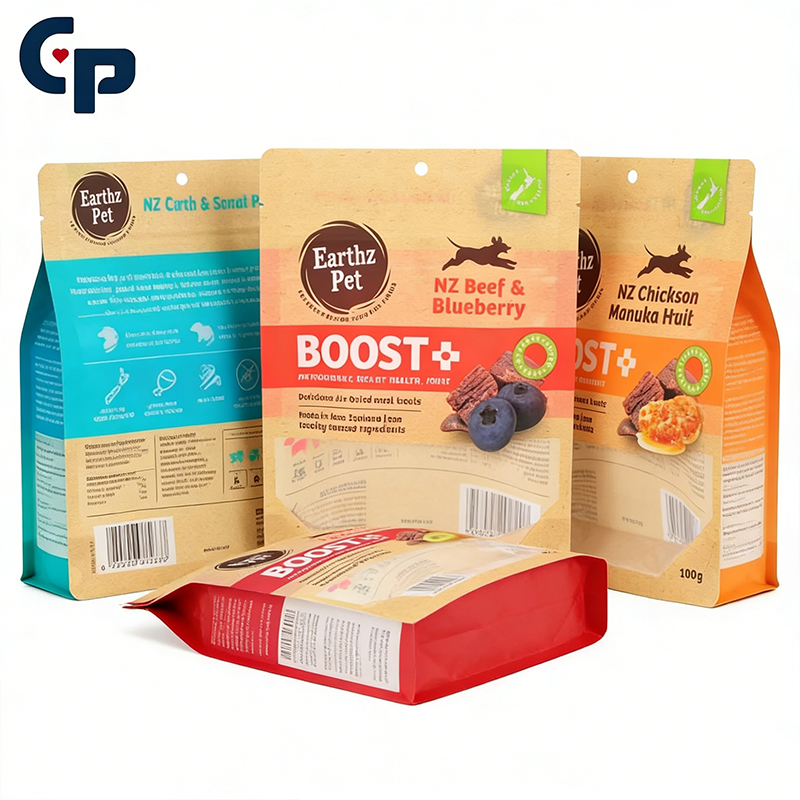
Press-to-close zippers utilize standard interlocking male and female tracks. You can choose between single or double flange options depending on the required seal strength. Double flange options spread the pressure across a wider track to lock tighter. This design effectively blocks moisture ingress and contains volatile organic compound (VOC) aromas. They are best used for lightweight snacks, dried goods, and applications requiring a wider track to spread the seal. However, they can be difficult for users to align perfectly and are susceptible to track-clogging from fine powders.
On the packaging line, PTC zippers are the most common and generally the easiest to run. They require standard zipper applicators if you are running Form-Fill-Seal (FFS) machines. The key operational metric here is ensuring the zipper is fully closed before the top seal is applied, otherwise, you risk product getting caught above the zipper during the filling cycle.
Slider zippers feature a plastic slider mechanism that physically forces the tracks together. This maximizes physical seal pressure across the track, making it highly effective at containing pungent aromas like pet food or spices. It also prevents dry or semi-liquid leaks during transportation. Slider zippers are ideal for premium consumer goods and products targeting demographics requiring accessibility and ease of use. The primary trade-offs include added bulk to the top of the pouch, which can complicate secondary packaging processes.
Running slider zippers requires specialized handling. The slider clip itself adds a significant lump to the film web. When these pouches go through the sealing jaws, the jaws must be custom-machined with a relief pocket to accommodate the slider. If the alignment is off by even a few millimeters, the jaws will crush the slider, destroying the closure and causing a line jam.
Pull tab zippers integrate a built-in tear-away strip that reveals a pre-engaged zipper. This mechanism offers excellent tamper-evident security combined with immediate resealability. They are best suited for products requiring clear evidence of uncompromised packaging prior to purchase. Implementing pull tab zippers requires precise manufacturing tolerances. You must ensure the pull tab tears cleanly without compromising the zipper track located directly below it.
The converting process for pull tab zippers is complex. The film must be laser-scored perfectly to guide the tear. If the score is too deep, the pouch loses its oxygen barrier. If it is too shallow, the consumer cannot open the package cleanly, leading to frustration and torn zipper tracks.
String zippers are narrow-profile closures designed to minimize the overall packaging footprint. They utilize a very thin track that requires less polymer material. This makes them the best use case for fine powders like coffee or nutritional supplements. Standard flange zippers often trap fine particulates, causing the closure to fail. String zippers shed powders easily, ensuring a consistent and reliable seal even after multiple uses.
Because of their low profile, string zippers are highly favored in high-speed FFS operations. They do not create massive thick spots in the film roll, allowing for smoother unwinding and less tension variation on the machine. They also require less heat to crush at the side seams, reducing the risk of burning the film.
Zipper Type | Mechanism | Best Use Case | Operational Challenge |
|---|---|---|---|
Press-to-Close (PTC) | Interlocking male/female tracks | Snacks, dried goods | Track alignment during filling |
Slider Zipper | Plastic slider forces tracks closed | Pet food, premium goods | Requires relieved sealing jaws |
Pull Tab (E-Zip) | Tear-away strip reveals zipper | Tamper-evident requirements | Precise laser scoring required |
String Zipper | Narrow-profile interlocking track | Fine powders, supplements | Lower overall burst strength |
Calculating the incremental cost of adding a zipper track versus the baseline cost of a simple tear notch is critical. Adding a mechanical closure involves additional polymer material and specialized manufacturing steps. You must weigh this increased packaging cost against the reduction in product spoilage and the potential for higher retail positioning. A thorough CPU analysis ensures that the added functionality aligns with your target profit margins.
Beyond the raw material cost of the zipper spool, you have to factor in scrap rates. When you start running zippered film, your setup scrap will increase. Dialing in the zipper crush temperatures takes time. You will lose film and product during these calibration runs. You must build these operational losses into your CPU model to get an accurate picture of the true cost.
Consumer behavior changes significantly when packaging offers built-in convenience. Measuring how brand loyalty shifts when users can repeatedly open, portion, and reseal directly from the original package is essential. Flat Barrier Pouches equipped with reliable zippers eliminate the need for secondary storage containers or unreliable bag clips. This seamless open-dose-reseal cycle keeps your branding visible in the consumer's pantry for the entire lifespan of the product.
If a consumer has to dump your product into a generic plastic tub because your bag won't reseal, you lose that daily brand impression. A functional zipper keeps your logo in front of them every time they use the product. This drives repeat purchases far more effectively than a slightly cheaper, non-resealable bag.
Evaluating the environmental impact requires looking at the complete product lifecycle. Resealable closures eliminate the consumer need for secondary storage, such as transferring product to rigid plastic containers or using disposable plastic wrap. This reduction in secondary waste is offset by the added plastic weight of the zipper itself. You must analyze whether the prevention of food waste and secondary packaging justifies the slightly heavier primary pouch structure.
Food waste is a massive environmental issue. A zipper that keeps a pound of coffee fresh prevents that coffee from ending up in a landfill. The carbon footprint of the wasted product is almost always higher than the carbon footprint of the few extra grams of polyethylene used to make the zipper track.
Deciding between closures requires a structured framework based on consumption rates. Single-serve items rarely benefit from resealable zippers, making a standard tear notch sufficient. Multi-serve products consumed over weeks or months demand robust closures like sliders or double-flange PTC zippers. You must also consider intermediate storage vulnerability during delivery and handling. Products prone to spilling or rapid staling require the immediate protection a zipper provides.
Assess the total servings per container. If it is consumed in one sitting, skip the zipper.
Evaluate the product's sensitivity to moisture. Hygroscopic powders need string zippers.
Determine the physical weight. Heavy items need wider flange zippers to prevent bursting.
Review the retail environment. Premium shelf space often demands slider zippers for perceived value.
Recognizing the physical limitations of a flat package is vital for maintaining closure integrity. When the volume or weight of the product exceeds the package's capacity, the pouch begins to bulge. This internal pressure stresses the zipper track from the inside out. Continuous stress causes micro-leaks or complete track separation, rendering the resealable feature useless. You must monitor fill volumes closely to prevent zipper failure.
We see this constantly on the floor. A brand tries to stuff 16 ounces of product into a flat pouch designed for 8 ounces. The pouch looks like a football. The moment it goes into a shipping case, the internal pressure pops the zipper open from the inside. The heat seals might hold, but the mechanical zipper fails, leading to consumer complaints.
Evaluating the structural benefits of adding a bottom gusset solves many volume-related issues. Stand Up Pouches with Zippers distribute the product weight vertically and across the expanded base. This relieves outward pressure on the top closure, ensuring the zipper remains intact and functional. The bottom gusset provides the necessary volume expansion without compromising the mechanical seal at the top of the package.
The gusset fundamentally changes the geometry of the package. Instead of the film pulling tightly across the product and stressing the side seams and zipper, the base expands to accommodate the volume. This keeps the top of the pouch flat and relaxed, allowing the zipper tracks to remain perfectly aligned and securely locked.
Shelf presence dictates consumer engagement. Lay-flat alternatives often get lost on retail shelves or require specialized pegboard hanging displays. Upgrading to a gusseted format offers significantly better shelf presence. The structural integrity allows heavier multi-serve items to stand upright independently. This maximizes billboard space for branding and communicates a premium product positioning directly to the consumer.
Retailers hate messy shelves. Flat pouches stacked on top of each other slide around and look disorganized. A stand-up format faces forward, keeping the branding visible and making it easier for stockers to maintain a clean display. This operational advantage at the retail level often justifies the format upgrade.
Assessing compatibility with your existing equipment determines the feasibility of a closure upgrade. Pre-made pouch filling equipment generally handles zippered pouches with minimal adjustments, utilizing mechanical grippers to open the tracks. Form-Fill-Seal (FFS) machines present a different challenge. Running zippered film on FFS equipment often requires specialized zipper-applicator retrofits, which involve significant capital expenditure and line downtime during installation.
If you run pre-made pouches, your main concern is the suction cups and grippers. They need enough force to pull the zipper open before the fill tube drops the product. If the zipper is too stiff, the pouch won't open, and you will dump product all over the machine. We calibrate the vacuum pressure and gripper timing specifically for the zipper profile being used.
The technical challenge of sealing a zippered pouch lies in temperature control. You must apply enough heat to seal the pouch ends hermetically without melting or warping the polymer zipper track. Applying excessive heat results in crushed zippers that fail to interlock. Achieving the perfect balance requires precise calibration of sealing jaw temperatures, dwell times, and pressure settings across your packaging line.
The zipper area is significantly thicker than the rest of the film web. If you set your jaws hot enough to melt the zipper crush area, you risk burning the thinner film right next to it. We use transition jaws—jaws with a stepped profile—to apply different pressures to the zipper area versus the standard film area. This prevents thermal distortion and ensures a clean seal.
Factoring in potential reductions in units-per-minute (UPM) is necessary when forecasting production output. The added complexity of mechanically opening, filling, and properly sealing a zippered pouch inherently slows down automated lines. You must calculate the financial impact of reduced throughput and determine if the premium packaging format justifies the longer cycle times required for proper execution.
You cannot run a zippered pouch as fast as a simple tear-notch pouch. The mechanical action of opening the zipper takes milliseconds, but those milliseconds add up. Furthermore, the thicker zipper area requires a longer dwell time in the sealing jaws to ensure heat penetrates all the way through the polymer mass. Expect a 10% to 15% drop in line speed when transitioning to zippers.
Overcoming these implementation risks requires proactive equipment management. Upgrading sealing jaws to accommodate the specific profile of your chosen zipper prevents thermal distortion. Utilizing ultrasonic sealing technologies offers precise energy application, melting the pouch material without damaging the thicker zipper track. Alternatively, partnering with flexible packaging converters that supply pre-zippered pouches shifts the manufacturing complexity away from your internal filling operations.
Ultrasonic sealing is a game-changer for zippered pouches. Instead of relying on conductive heat, it uses high-frequency vibrations to generate heat internally within the polymer layers. This melts the materials together instantly without pushing excess heat through the outer layers, completely eliminating the risk of warping the zipper tracks.
Request physical pouch samples featuring different zipper profiles from your packaging converters to evaluate tactile feel and track engagement.
Conduct rigorous OTR and MVTR testing on your product in both the initially sealed and post-resealed states to verify shelf-life claims.
Run a limited material trial on your specific filling line to calibrate heat-sealing parameters and identify potential thermal distortion issues.
Analyze your product's fill volume to determine if a bottom gusset is required to prevent outward stress on the zipper track.
A: No. The pouch is hermetically heat-sealed above the zipper during manufacturing. The zipper only becomes the primary closure after the consumer removes the tamper-evident top seal.
A: String zippers or specialized powder-proof flange zippers are recommended. Standard press-to-close zippers often fail when fine particulates get trapped in the interlocking tracks.
A: It depends on your machinery. Pre-made pouch fillers generally handle zippered pouches well, provided they have the mechanical grippers to open the zipper. Form-Fill-Seal (FFS) machines may require specialized zipper-applicator retrofits.
A: Recyclability depends on the entire pouch structure. If the flat barrier pouch is made from a mono-material (like 100% PE) and the zipper is also PE, it may be store-drop-off recyclable. Multi-material laminates with zippers are generally not recyclable.
A: Transition to a stand up pouch when your product exceeds 4-6 ounces, requires vertical retail shelf display, or when the bulk of the product prevents a flat pouch from closing easily without stressing the zipper track.
A: You must use custom-profiled sealing jaws that accommodate the extra thickness of the zipper track. Adjusting the dwell time and utilizing transition jaws prevents thermal distortion while ensuring the side seams are fully fused.

