
Views: 0 Author: Site Editor Publish Time: 2026-08-12 Origin: Site


Corporate sustainability mandates are colliding with the functional limitations of traditional packaging, forcing a massive shift away from unrecyclable multi-layer plastics. Procurement and brand managers face a critical challenge: transitioning to eco-friendly packaging without compromising product shelf life, structural integrity, or unit economics. You cannot simply swap out legacy materials for green alternatives without adjusting your production lines. This tension is reshaping the packaging landscape, demanding solutions that balance environmental responsibility with commercial viability on the factory floor.
The flat bottom bag market is evolving rapidly to meet these demands. New paper-based and recyclable material innovations are providing viable alternatives for retail and industrial applications. These advancements offer nuanced solutions that address both the push for sustainability and the need for high-performance packaging across diverse product categories.
Market Trajectory: The flat bottom bag market is rapidly pivoting toward paper-based and mono-material solutions, driven by consumer demand and tightening global packaging waste regulations. Analysts project the global recycled paper bags sector to expand from approximately USD 5 billion in 2025 to about USD 7 billion by 2034.
Performance Realities: While paper offers high recyclability (up to 7 recycling cycles) and strong branding potential, it requires advanced barrier coatings to match the moisture and oxygen resistance of legacy plastics.
Production Scalability: Integrating sustainable packaging roll film requires assessing existing form-fill-seal (FFS) machinery for compatibility, often necessitating adjustments in heat sealing temperatures and tension control.
The structural origins of the flat bottom design trace back to Margaret E. Knight's historic invention of the flat-bottomed paper bag machine. This innovation established the square bottom bag as a retail staple, providing stability and volume for dry goods. Historically, the industry relied heavily on PET/ALU/PE laminates to provide necessary barrier protection against moisture and oxygen. These complex structures ensured long shelf life but presented significant end-of-life challenges because municipal recycling facilities cannot separate the bonded layers.
These legacy laminates are becoming obsolete under new Extended Producer Responsibility laws. Modern flat bottom bags must maintain their signature box-pouch stability and structural integrity while achieving recognized recyclable or compostable certifications. The success criteria have shifted from pure performance to a balance of performance and environmental impact. Plant managers now evaluate packaging based on its end-of-life routing just as much as its puncture resistance.
To understand the shift, we must look at the material transition happening on the production floor. The table below outlines the differences between legacy laminates and modern sustainable alternatives.
Material Type | Barrier Protection | Recyclability | Machinery Impact |
|---|---|---|---|
PET/ALU/PE Laminate | Excellent (Oxygen/Moisture) | Zero (Landfill/Incineration) | Standard FFS settings |
Mono-PE / Mono-PP | Good (Requires thick layers) | High (Store drop-off) | Requires lower sealing temps |
Coated Kraft Paper | Moderate (Aqueous coatings) | High (Curbside paper bin) | Requires tension adjustments |
Qualitative research and academic studies highlight consumer perspectives on sustainable packaging. Paper-based textures often trigger an inherent psychological trust, creating a green aura around the product. Consumers scrutinize real-world durability, expecting the packaging to perform just as well as traditional plastics. If a bag tears on the way home from the grocery store, brand loyalty drops immediately. The market is responding to these dual expectations, driving significant growth vectors across the packaging sector.
The regulatory landscape is forcing brands to audit their packaging portfolios. Directives like the EU Packaging and Packaging Waste Directive mandate the phase-out of non-recyclable multi-layer plastics. This regulatory pressure accelerates the transition toward compliant, sustainable alternatives. You must adapt your packaging specifications to meet these regional laws or face severe distribution restrictions.
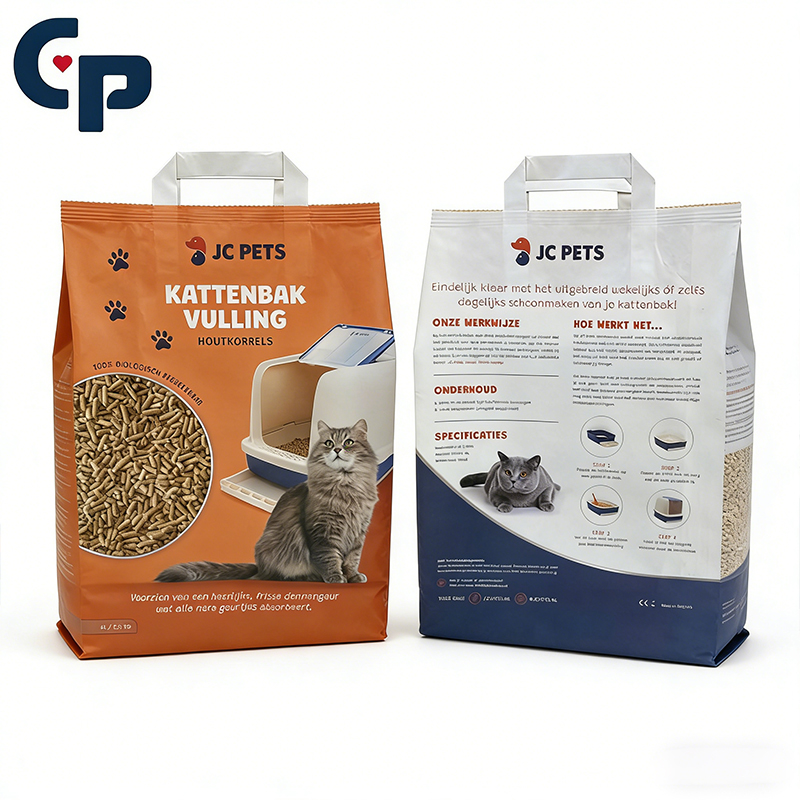
Kraft and coated papers sourced from renewable wood pulp are central to 100% paper-based flat bottom bags. The environmental lifecycle of these materials is a key advantage. High-quality paper fibers can be recycled up to seven times before structural degradation occurs, supporting circular economy goals. The structural benefits include rigid side gussets and a flat base, ensuring premium shelf presentation and stable upright display.
When deploying paper-based bags, you must account for the physical limitations of the material. Paper lacks the inherent stretch of plastic films. This means your forming collars on the packaging line must be perfectly aligned to prevent micro-tears during the filling process. Operators must monitor the folding mechanisms closely, as paper retains memory and will crease permanently if misaligned.
Mono-PE or mono-PP structures offer inherent barrier properties and are often recyclable via store drop-off programs. In contrast, paper bags lined with thin PLA or EVOH barriers provide superior tactile branding. The trade-offs are significant. Mono-materials deliver better protection, while paper-based hybrids excel in consumer appeal but can complicate municipal recycling streams if not properly designed.
Choosing between these two categories depends entirely on your product's moisture sensitivity and your target demographic's recycling access. Here is a breakdown of the operational differences:
Sealing Profiles: Mono-materials require precise, narrow temperature bands to seal without melting through. Hybrid papers need higher heat to penetrate the paper layer and activate the inner sealant.
Web Handling: Mono-PE stretches easily under tension. Hybrid paper is rigid and will snap if the web tension is too high.
End-of-Life Routing: Mono-plastics go to flexible film recycling. Hybrids must pass repulpability tests to enter the paper stream.
Sustainable materials are supplied as Packaging Roll Film for automated, high-speed packaging lines. Scalable production requires strict adherence to technical requirements for roll film consistency. Web tension, coefficient of friction, and print registration must be carefully managed, especially when transitioning from synthetic films to paper substrates.
Running sustainable roll film requires a complete audit of your FFS equipment. You cannot use the same parameters you used for PET laminates. The coefficient of friction on paper is much higher, meaning it drags over forming tubes. You will likely need to apply specialized slip coatings or replace your forming tubes with textured metal to keep the film moving at target speeds.
Paper is inherently vulnerable to moisture, oxygen, and grease. Modern mitigation technologies address these weaknesses using aqueous coatings, metallized transfer films, and bio-based laminates. Matching product requirements to the appropriate barrier level is necessary. Dry goods, coffee, and pet food each demand specific protection profiles to ensure adequate shelf life.
For example, roasted coffee requires a one-way degassing valve and a high oxygen barrier to prevent staling. Applying an EVOH layer to a recyclable mono-PE structure achieves this while maintaining recyclability. Conversely, dry pasta only needs a basic moisture barrier, which a simple aqueous-coated kraft paper can provide.
The tensile strength and puncture resistance of paper-based materials must be evaluated against traditional plastics. The engineering of the block bottom is vital to prevent seam ruptures under heavy product loads. Capacities ranging from 1kg to 5kg require robust structural design to maintain integrity throughout the supply chain.
When engineering the bottom seal, the intersection of the side gussets and the bottom panel creates a thick multi-layer fold. This area is highly susceptible to pinholing. You must ensure your sealing jaws apply even pressure across this variable thickness. Upgrading to servo-driven sealing jaws provides the precise control needed to seal these complex junctions without crushing the paper fibers.
Flat paper surfaces act as moving billboards, offering high-impact branding opportunities. Flexographic and rotogravure printing capabilities differ between paper substrates and synthetic films. The matte, natural finish of recycled paper communicates authenticity and premium quality, aligning with consumer preferences for sustainable products.
Printing on paper requires different ink formulations than printing on plastic. Paper absorbs ink, which can lead to dot gain and muddy images if not properly managed. You must work closely with your prepress department to adjust color profiles and select inks that cure properly on porous substrates without compromising the material's repulpability.
The availability of virgin plastics, post-consumer recycled plastics, and certified sustainable paper influences procurement decisions. Supply chain stability for high-grade packaging paper differs from petroleum-based films. Managing these variables is essential for maintaining consistent production.
Sourcing certified paper (FSC/PEFC) requires longer lead times. You must build larger inventory buffers to account for mill delays. Additionally, the quality of recycled paper fibers fluctuates based on the municipal recycling streams they originate from. You must implement strict incoming quality control checks to verify the tensile strength of every new master roll before it hits the production floor.
Transitioning to new materials involves operational adjustments. Slower run speeds, increased waste during setup, and the potential need for new sealing jaws capable of handling paper's thermal properties impact production schedules. These operational adjustments must be factored into the overall transition strategy.
Expect a 10% to 15% reduction in line speed during the initial rollout of sustainable materials. Operators need time to learn how the new materials behave under tension and heat. Investing in training and allowing for a learning curve will prevent catastrophic line failures and excessive material waste.
The operational adjustments required for sustainable materials must be weighed against long-term brand equity. Failing to meet consumer sustainability expectations risks market share loss. Investing in Recyclable Flexible Packaging positions brands favorably in a competitive landscape.
Retailers are increasingly implementing their own sustainability scorecards. If your packaging fails to meet their criteria, you risk losing premium shelf space. Proactively upgrading your packaging portfolio ensures compliance with retailer mandates and secures your product's visibility.
Strict evidence is required to claim a product is biodegradable, compostable, or recyclable. Mandating third-party testing and transparent supplier documentation before market launch mitigates the risk of greenwashing accusations. Compliance ensures brand credibility and consumer trust.
Do not rely on supplier claims alone. Send your finished, sealed bags to independent laboratories for repulpability or recyclability testing. Obtain certifications from recognized bodies like How2Recycle or the FSC. Print these certification logos clearly on the packaging to communicate your compliance to consumers and regulators.
Premature product spoilage due to micro-fractures in paper coatings during folding and sealing is a significant risk. Conducting rigorous accelerated shelf-life testing and transit simulation before full-scale deployment is essential. These tests validate packaging performance under real-world conditions.
Implement a testing protocol that includes:
Drop testing from standard retail shelf heights.
Vibration testing to simulate truck transport.
Environmental chamber testing at elevated temperature and humidity.
Dye penetration testing on all seals to check for microscopic leaks.
A step-by-step transition plan minimizes disruption. Start with SKUs requiring low barriers, optimize the packaging roll film on a single line, and gather consumer feedback. This measured approach allows for adjustments before a portfolio-wide shift.
Begin with your fastest-moving, least sensitive product. Run a limited batch and track its performance through the supply chain. Monitor customer complaints for any signs of staleness or packaging failure. Once you have validated the material on this initial SKU, you can confidently roll it out to more sensitive products.
Recyclable and paper-based materials are fundamentally upgrading the market, but they are not direct drop-in replacements for multi-layer plastics without operational adjustments. Procurement teams should prioritize suppliers offering transparent barrier testing data, verifiable sustainability certifications, and technical support for machinery calibration.
To successfully transition your packaging lines, execute the following steps:
Audit your current packaging specifications and identify the exact barrier requirements for each product.
Request material samples from multiple suppliers and conduct accelerated shelf-life testing.
Schedule downtime on a single packaging line to test the new materials and calibrate sealing temperatures and web tension.
Train your machine operators on the specific handling characteristics of paper-based or mono-material films.
A: The market is transitioning from unrecyclable multi-layer laminates to mono-materials and paper-based structures designed for circular economies, with the recycled paper bags sector projected to grow from USD 5 billion in 2025 to USD 7 billion by 2034.
A: Raw paper cannot, but modern paper bags utilize specialized aqueous coatings, metallized transfer films, or bio-laminates to achieve comparable oxygen and moisture barriers for many dry goods.
A: Transitioning requires precise temperature control, modified sealing jaws, and adjusted web tension when using sustainable packaging roll film on existing FFS equipment to prevent tearing.
A: High-quality paper fibers can typically be recycled up to 7 times before losing the structural integrity and tensile strength required for packaging applications.
A: Biodegradability depends entirely on the inner barrier linings and adhesives used; bags with traditional plastic or EVOH liners are not fully biodegradable and must be routed to appropriate recycling streams.

