
Views: 0 Author: Site Editor Publish Time: 2026-08-13 Origin: Site


The rapid expansion of direct-to-consumer channels and the premiumization of consumer packaged goods have fundamentally altered structural packaging requirements within the global flat bottom bag market. Brands utilizing legacy packaging formats face increased product damage during last-mile e-commerce delivery. They also deal with compromised barrier integrity and poor shelf differentiation. These issues inevitably lead to margin erosion and brand dilution.
To mitigate these risks, procurement and brand managers must evaluate how modern flat bottom bag architectures balance transit durability, high-barrier food protection, and premium aesthetics. This guide breaks down the technical specifications and performance trade-offs necessary for shortlisting packaging suppliers. You will learn how to align structural packaging choices with modern fulfillment demands and consumer expectations.
E-Commerce Durability: D2C fulfillment requires packaging engineered for multi-touchpoint transit; flat bottom bags offer superior structural stability and puncture resistance compared to traditional stand-up pouches.
Premiumization Drives Material Innovation: The demand for Premium Flat Bottom Bags in the specialty food sector is accelerating the adoption of high-barrier, tactile, and sustainable material laminations.
Bulk Scalability: Transitioning to 10–20 kg Flat Bottom Bags for pet food and bulk goods requires rigorous evaluation of gusset strength, seal integrity, and ergonomic features to prevent catastrophic failure.
Retail environments prioritize visual merchandising and stackability. Products must stand upright on shelves and catch the consumer's eye immediately. E-commerce demands a completely different set of performance metrics. Shipped products must survive drop tests and rough handling. They also require dimensional weight optimization to keep shipping costs manageable.
The market is pivoting to serve omnichannel brands requiring hybrid performance metrics. Packaging must look pristine on a store shelf while maintaining the structural integrity needed for parcel delivery. This dual requirement forces manufacturers to engineer bags with stiffer laminations and reinforced seals. Brands can no longer rely on single-purpose packaging designs. When you ship a product through a parcel network, it faces vibrations, impacts, and compressive loads that retail-only packaging never experiences. We see many companies fail because they try to use a standard retail pouch for direct-to-consumer shipping. The side gussets blow out, or the bottom seal ruptures upon impact.
The industry evolution traces back to Margaret E. Knight's 1870s paper-bag machine design. Her invention allowed for the mass production of flat-bottomed paper bags. Today, the industry relies on modern multi-material and high-barrier plastic and paper composite structures. These advanced materials provide superior protection against oxygen and moisture.
The flat bottom design remains a global standard. It optimizes package volume and minimizes the shelf-space footprint. Modern iterations build upon this foundational geometry. They incorporate complex co-extruded films and specialized barrier layers. This evolution ensures that the structural benefits of the original design meet contemporary food safety standards. We now use five-layer and seven-layer co-extrusions to achieve the necessary barrier properties while maintaining the classic block-bottom shape. This allows for maximum internal volume without expanding the external footprint.
Regulatory and consumer pressures are forcing a shift away from multi-material laminates. Brands are moving toward mono-material, recyclable polyethylene structures and flat-bottom paper alternatives. These sustainable options help companies meet environmental targets and appeal to eco-conscious consumers. However, transitioning materials requires careful testing to ensure performance parity.
The rapid growth of the flat-bottom paper bag segment is driven by these sustainable packaging demands. Current technological limitations exist regarding compostable films and kraft papers. Maintaining high barrier properties for premium food remains challenging with these materials. Manufacturers are actively developing new aqueous coatings and metallized layers to bridge this performance gap. You cannot simply swap a PET/AL/PE laminate for a kraft paper structure and expect the same shelf life. The moisture vapor transmission rate will change drastically, requiring extensive shelf-life testing before market launch.
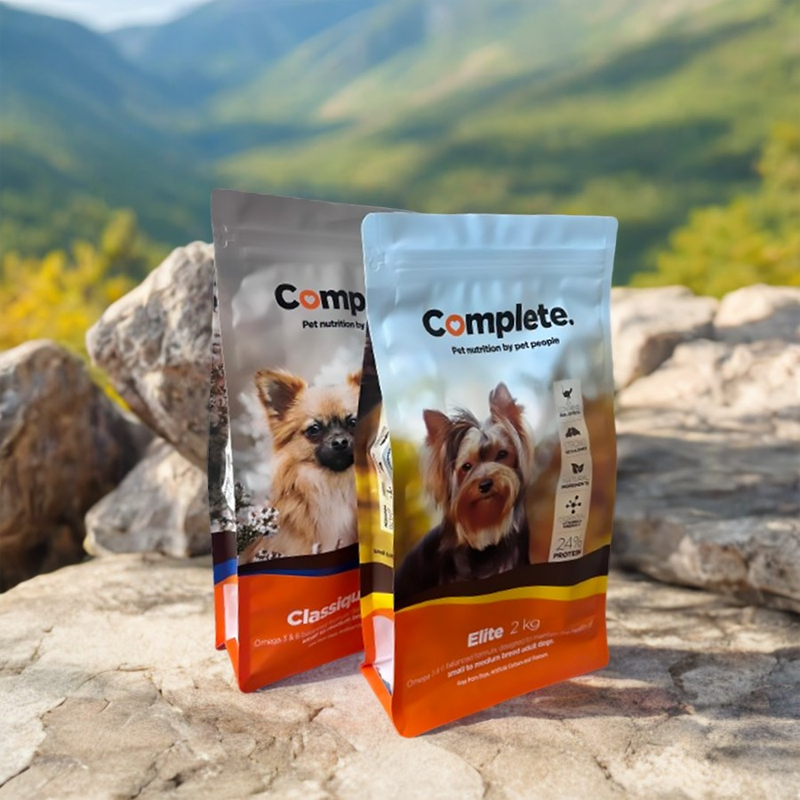
Surviving the standard e-commerce supply chain requires strict adherence to testing standards like ISTA 6-Amazon. Packaging must withstand multiple drops, vibrations, and compressive forces. Puncture resistance is critical for products with sharp edges, such as roasted coffee beans or extruded pet kibble. Weak materials will fail during transit, leading to costly returns.
Reinforced side gussets and quad-seal construction play a vital role in preventing burst failures. The four vertical seals provide a rigid framework that absorbs impact energy. This structural reinforcement prevents the bag from splitting open when dropped. Investing in robust seal integrity directly reduces product loss during shipping. We typically recommend a minimum of 120-micron thickness for any product over 1 kg shipping through parcel networks. Anything less risks flex-cracking and pinholing during transit.
External print scuffing, scratching, and degradation pose significant risks during high-friction transit. Parcels move through automated sorting facilities and rub against other packages. Unprotected graphics will smear or scratch, ruining the brand presentation upon arrival. This friction degrades the visual quality of the packaging.
Protective surface varnishes preserve high-resolution graphics and branding. Matte or gloss oriented polypropylene laminations and UV protection layers shield the printed surface. These protective coatings ensure that Premium Flat Bottom Bags arrive looking flawless. Maintaining visual integrity during last-mile shipping is essential for brand perception. Reverse printing on the outer PET layer is another highly effective method. By printing on the inside of the outermost clear layer, the ink is completely protected from external abrasion.
Reducing gauge thickness lowers shipping costs by decreasing the overall package weight. However, this must be balanced against maintaining the structural rigidity necessary for product protection. Thinner films are more susceptible to punctures and flex-cracking. Brands must find the optimal thickness that protects the product without inflating shipping expenses.
The protective yield of flat bottom bags often surpasses rigid alternatives like tins, glass, or corrugated boxes. Flexible packaging absorbs impacts that would shatter glass or dent metal. It also conforms tightly to the product, reducing internal movement. This flexibility provides superior protection while significantly reducing the packaging weight. A switch from glass jars to flexible flat bottom bags can reduce packaging weight by up to 80%, drastically cutting freight emissions and costs.
The five-panel printable surface area of flat bottom bags maximizes branding real estate. Brands can utilize the front, back, bottom, and two side gussets for graphics and text. This extensive canvas allows for detailed product information and storytelling. It eliminates the need for secondary packaging inserts or supplementary labels.
A well-designed bag enhances the unboxing experience. Consumers appreciate packaging that feels premium and looks professional. The structured shape of the bag presents the brand clearly as soon as the shipping box is opened. This immediate visual impact reinforces brand loyalty and encourages repeat purchases. We often see brands utilize the bottom panel for barcode placement, freeing up the primary display panels for clean, uninterrupted artwork.
Return-friendly packaging design positively impacts e-commerce customer retention. Consumers expect a hassle-free return process. Packaging that is destroyed upon opening frustrates users and complicates returns. Designing bags that can be easily resealed for return shipping improves the overall customer experience.
Flat bottom bags can incorporate dual tear strips and robust resealing options. These features support secondary shipping cycles for product returns or exchanges. A secondary adhesive strip allows the consumer to securely close the bag for the return journey. This functionality reduces waste and streamlines reverse logistics. It also prevents product spillage if the item needs to be shipped back to the fulfillment center.
Material substrates used in premium packaging include Kraft paper exteriors, soft-touch matte finishes, and spot UV gloss. These materials create a distinct visual and physical profile. Kraft paper conveys a natural, artisanal aesthetic. Soft-touch finishes provide a luxurious, velvety feel that consumers associate with high-end products.
Tactile feedback strongly influences consumer perception of product quality. This is especially true in specialty coffee, tea, and artisanal snacks. When a package feels substantial and refined, the consumer assumes the product inside is of similar quality. Strategic material selection directly elevates the perceived value of the brand. We frequently apply registered matte varnishes over specific design elements to create a contrast between glossy logos and a muted background, drawing the eye directly to the brand name.
Oxygen Transmission Rate and Moisture Vapor Transmission Rate requirements are critical for premium food preservation. High OTR and MVTR lead to staling, oxidation, and loss of flavor. Packaging must act as an impenetrable shield against environmental factors. Strict barrier specifications ensure the product reaches the consumer exactly as intended.
Aluminum foil laminates offer the highest level of protection but are opaque. Clear Ethylene Vinyl Alcohol barriers maintain freshness while allowing product visibility. Brands must choose between maximum barrier performance and the ability to showcase the product. Both options provide excellent shelf life extension when properly engineered.
Barrier Material | OTR Performance (cc/m2/day) | MVTR Performance (g/m2/day) | Product Visibility | Typical Application |
|---|---|---|---|---|
Aluminum Foil (AL) | < 0.1 | < 0.1 | None | Roasted Coffee, Spices |
Clear EVOH | 0.5 - 1.5 | 2.0 - 4.0 | High | Artisanal Snacks, Jerky |
Metallized PET (VMPET) | 1.0 - 2.0 | 1.0 - 2.0 | None | Tea, Granola |
AlOx Coated PET | 0.5 - 1.0 | 0.5 - 1.0 | High | Premium Nuts, Dried Fruit |
The integration of one-way degassing valves is mandatory for roasted coffee. These valves allow carbon dioxide to escape while preventing oxygen from entering. Without a valve, freshly roasted coffee would cause the bag to inflate and potentially burst. This technology preserves flavor and ensures package integrity.
Resealability options include press-to-close zippers, pocket zippers, and Velcro-style hook-and-loop closures. These features provide immense consumer convenience. They keep the product fresh after the initial opening and prevent spills. Investing in high-quality closures enhances the user experience and extends the usable life of the product. Pocket zippers, in particular, offer a clean front panel appearance while providing a wide opening for easy scooping of powders or granular products.
Specific engineering is required for 10–20 kg Flat Bottom Bags used in pet food, lawn care, and bulk agricultural products. These bags must withstand immense internal pressure and external stress. Standard flexible packaging materials will fail under these loads. Heavy-duty applications demand specialized film structures and reinforced construction techniques.
Bottom-seal strength and multi-ply co-extrusion are vital to handle high-volume weight distribution. The bottom seal bears the brunt of the product weight during lifting and transit. Multi-ply structures provide the necessary tensile strength and tear resistance. Rigorous drop testing is essential to verify the structural integrity of these large-format bags. We conduct drop tests from 1.5 meters on all faces, edges, and corners to ensure the K-seals and side gussets do not rupture under dynamic loading.
Handling heavy bags is difficult for consumers. The integration of die-cut handles and reinforced side gusset handles facilitates pouring and carrying. These ergonomic features transform a cumbersome package into a user-friendly product. Handles must be reinforced to prevent tearing under the weight of the contents.
Slider zippers are highly recommended for bulk bags. They are easier to close than standard press-to-close zippers, especially when the bag is wide and heavy. A robust slider zipper ensures the bag remains securely closed between uses. This protects the bulk product from moisture and pests over an extended period. We also see a rise in the use of micro-perforations in the side gussets to allow trapped air to escape during palletization, preventing the bags from acting like balloons and destabilizing the pallet load.
The box-like footprint of flat bottom bags optimizes pallet configuration. They stack securely and uniformly, unlike round or irregularly shaped packaging. This stability prevents pallet collapse during transit and warehousing. Efficient stacking maximizes the number of units per pallet.
This optimized configuration reduces dead space and lowers warehousing costs. More product can be stored in less space, improving inventory density. The square shape also aligns perfectly with standard shipping cartons. This geometry streamlines the entire supply chain from the filling line to the retail floor. When you transition from a pinch-bottom bag to a true flat bottom, you can often fit an additional layer of product on a standard 40x48 inch pallet, significantly reducing freight costs per unit.
Evaluating custom rotogravure or flexographic printing MOQs versus digital printing is crucial for short-run premium SKUs. Traditional printing methods require high MOQs to offset setup costs. Digital printing offers lower MOQs and faster turnaround times but has a higher unit cost. Brands must analyze their volume projections to choose the most cost-effective printing technology.
Cylinder setup costs for rotogravure printing impact the break-even point for emerging brands. Each color requires a separate engraved cylinder, which requires a significant upfront investment. Digital printing eliminates these tooling costs entirely. For brands testing new markets or running seasonal promotions, digital printing often provides the best return on investment. Once a product line proves successful and volumes increase beyond 50,000 units, transitioning to rotogravure becomes economically viable.
Price premiums are associated with post-consumer recycled content, mono-material recyclable films, and premium flat-bottom paper alternatives. These sustainable materials are currently more expensive to produce than conventional laminates. Procurement teams must account for these increased unit costs in their packaging budgets.
Brands can justify these costs through premium brand positioning and compliance with Extended Producer Responsibility taxes. Consumers are often willing to pay a slight premium for environmentally responsible packaging. Furthermore, using recyclable materials can reduce EPR tax liabilities in certain jurisdictions. This offsets the initial material cost increase. You must weigh the upfront material premium against the long-term regulatory savings and brand equity gained from adopting sustainable formats.
Transitioning to flat bottom bags on existing Form-Fill-Seal or premade pouch-filling equipment carries risks. The stiff quad-seal structure may not feed smoothly through older machines designed for simple stand-up pouches. Jams and misalignments can cause significant production downtime. Equipment modifications are often necessary to handle the new bag geometry.
Mandating machine-run samples and friction coefficient testing before full-scale production mitigates this risk. Testing ensures the film slips correctly over forming collars and sealing jaws. It allows engineers to adjust machine settings before committing to a large production run. Thorough testing prevents costly line stoppages and material waste. We always advise running a 500-bag trial to calibrate the vacuum suction cups and opening fingers on premade pouch fill lines.
Verify the coefficient of friction (COF) of the outer film layer to ensure smooth machine feeding.
Adjust sealing jaw temperatures to accommodate thicker quad-seal gusset intersections.
Calibrate vacuum cups to handle the specific surface texture of the new packaging material.
Test the opening mechanism to ensure the flat bottom fully deploys before the filling cycle begins.
Overseas manufacturing often involves long lead times for custom-printed bags. Shipping delays, port congestion, and geopolitical issues can disrupt the supply chain. Domestic manufacturing offers shorter lead times but generally comes with higher unit costs. Brands must navigate these variables to maintain consistent inventory levels.
Establishing dual-sourcing strategies and buffer inventory protocols mitigates supply chain volatility. Relying on a single supplier is a high-risk strategy. Qualifying a secondary supplier ensures production can continue if the primary source fails. Maintaining safety stock absorbs unexpected delays and prevents stockouts. We recommend holding at least 60 days of safety stock for any custom-printed flat bottom bags sourced internationally.
Verifying FDA, EFSA, or BRCGS certifications for all interior sealant layers and inks is an absolute necessity. Packaging materials must not leach harmful chemicals into the food product. Non-compliance can lead to product recalls, legal action, and severe brand damage. Regulatory adherence is non-negotiable.
Procurement teams must request and review all relevant compliance documentation from the supplier. This includes migration testing results and certificates of analysis. Regular audits of the supplier's manufacturing facility ensure ongoing compliance. Strict quality control protocols guarantee the safety of the packaged food. Never accept a generic statement of compliance; demand batch-specific testing data for the exact film structure you are purchasing.
Audit your current packaging damage rates during e-commerce transit to determine if a structural upgrade is required.
Request machine-run samples from potential suppliers to verify compatibility with your existing filling equipment.
Evaluate digital printing options for new product launches to minimize upfront tooling costs and inventory risk.
Verify all food contact certifications for interior sealant layers before finalizing any procurement contracts.
A: A flat bottom bag features a completely flat, rectangular base and four vertical seals. This provides a box-like shape, superior structural stability, and five printable panels. A standard stand-up pouch relies on a single bottom gusset to stand and typically has only two primary printable panels.
A: While possible, they are primarily designed for dry goods like coffee, pet food, and snacks. Liquid applications require highly specialized fitments and exceptionally strong seals to prevent leaks at the complex gusset transition points.
A: One-way degassing valves allow carbon dioxide emitted by freshly roasted coffee beans to escape the package. Simultaneously, they prevent outside oxygen from entering. This keeps the bag from inflating and preserves the coffee's flavor profile.
A: Traditional multi-material laminates are difficult to recycle. However, modern mono-material polyethylene structures and specific paper-based flat bottom bags are designed for recyclability. Always check local recycling guidelines and specific material compositions.
A: Heavy-duty flat bottom bags are routinely engineered to hold 10 to 20 kilograms of product, such as pet food or agricultural supplies. These require specialized multi-ply materials and reinforced bottom seals to handle the weight.

