
Views: 0 Author: Site Editor Publish Time: 2026-07-12 Origin: Site


In the highly competitive beverage industry, the stakes for protecting delicate flavor profiles are enormous. Product degradation from staling, moisture ingress, or UV damage directly harms brand reputation and kills repeat purchases. Finding the perfect substrate requires balancing optimal freshness with shifting consumer demands for sustainability. You also must consider the strict operational realities of your existing filling equipment. Standard food wraps simply cannot handle these specific chemical vulnerabilities.
This guide provides an objective, criteria-driven breakdown of modern substrates and material formats. It will help B2B buyers and flexible food brands confidently select the right configuration for their supply chain. You will learn how to navigate strict barrier requirements, assess eco-friendly films realistically, and match material formats to your specific production scales. Understanding these nuances guarantees better shelf presence and smoother factory operations.
Barrier is Non-Negotiable: Coffee requires out-gassing (one-way valves) and oxygen barriers; tea requires strict moisture and odor protection.
Sustainability vs. Shelf-Life: Fully recyclable coffee packaging requires single-source polymers, which historically offer shorter shelf-lives than traditional multi-layer metallized films.
Format Dictates Efficiency: Pre-made pouches suit smaller or premium runs, while roll film packaging is essential for scalable, automated form-fill-seal (VFFS) operations.
Freight & Operations: Material choices must be weighed against freight efficiency (flexible vs. rigid) and filling machinery compatibility.
Standard food packaging fails miserably when protecting sensitive roasted beans and delicate loose leaves. These specialized commodities possess highly unique chemical properties demanding engineered protection. Freshly roasted coffee beans undergo complex chemical changes immediately after roasting. They actively release significant volumes of carbon dioxide during their initial degassing phase. Without proper one-way degassing valves, this gas builds up continuously until the sealed package physically ruptures. Conversely, without a tight oxygen barrier, immediate oxidation destroys the volatile compounds responsible for complex flavor profiles. You lose vibrant acidity and rich aromas within days.
Tea leaves present a completely different storage challenge. They are incredibly hygroscopic. They aggressively pull moisture from the surrounding air. They also absorb ambient odors very quickly from nearby products. This chemical vulnerability dictates a high Moisture Vapor Transmission Rate (MVTR) barrier. If you fail to block moisture, delicate herbal notes vanish, and dangerous mold risks increase rapidly. Furthermore, both products suffer severe chemical breakdown when exposed to direct UV light. Photochemical reactions degrade essential oils fast. You must use completely opaque or metallized material layers to block harmful light frequencies.
Multi-layer flexible laminates have dominated the industry for decades. They offer unparalleled reliability. These complex structures typically combine multiple substrates to maximize performance. A standard configuration includes an outer printable layer, a middle barrier layer, and an inner sealing layer. This structural synergy creates unmatched Oxygen Transmission Rate (OTR) and MVTR performance metrics. If you need maximum shelf-life exceeding 12 months for global distribution, traditional laminates deliver absolute protection.
They also provide massive operational advantages across your entire supply chain. Consider these key performance benefits:
Freight Efficiency: Flexible pouches weigh a fraction of glass or metal containers. They dramatically lower inbound and outbound shipping weights.
Space Optimization: They require minimal warehouse space. You can store millions of flat flexible pouches in the space needed for a few thousand rigid containers.
Handling Durability: Flexible laminates resist puncturing and tearing during rough transit handling better than brittle alternatives.
However, you must accept a significant trade-off. Traditional three-ply and four-ply foil structures bind fundamentally different materials together permanently. This mixed material composition makes them notoriously difficult or completely impossible to recycle in standard municipal facilities. Brands must carefully weigh this environmental impact against the need for superior, long-lasting shelf stability.
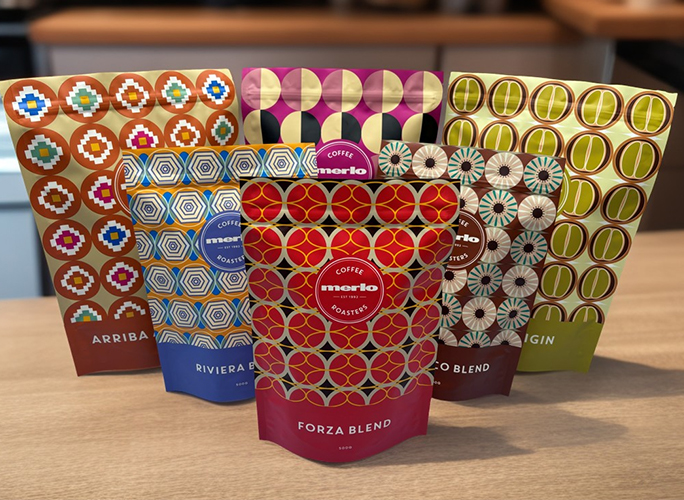
Intense consumer pressure forces modern brands to explore greener substrates. Mono-material structures lead this vital category. By engineering films from a single polymer family, like PE/PE or PP/PP, manufacturers create solutions qualifying for store-drop-off recycling programs. Leading certifications, such as the How2Recycle label, validate these efforts globally. Investing in certified recyclable coffee packaging helps forward-thinking brands build intense loyalty among eco-conscious demographics. Advanced mono-materials now incorporate ultra-thin EVOH coatings. These coatings boost barrier properties heavily without ruining base recyclability.
However, you must face harsh implementation realities on the factory floor. Mono-materials are inherently less rigid and less heat-tolerant than traditional foil laminates. They often require significantly lower heat-sealing temperatures. This thermal sensitivity can dramatically slow down automated filling lines. Production managers must tweak machinery settings carefully. You risk melted seals and ruined bag aesthetics if sealing jaws run too hot.
We must also evaluate compostable alternatives realistically. Materials like PLA-lined kraft paper look very eco-friendly on retail shelves. Unfortunately, they often lack the strict chemical barrier properties needed for long-term commercial storage. A plain kraft exterior offers zero oxygen protection natively. While these compostable films work exceptionally well for high-turnover local retail cafes, they pose immense staling risks for extensive national grocery distribution.
Sometimes, flexible formats do not fit your strategic brand vision. Tinplate cans, aluminum tins, and rigid composite boxes offer a compelling, high-end alternative. Metal tins provide maximal physical and chemical protection. They completely block light, repel moisture, and prevent crushing impacts during rough transit. They instantly communicate premium brand value to affluent buyers. Furthermore, consumers love to reuse beautiful metal tins at home. This behavior ensures incredibly high post-purchase brand retention right inside home kitchens.
Yet, rigid containers carry severe logistical and scalability constraints. Storing empty metal tins requires a massive, expensive warehouse footprint. Freight efficiencies plummet rapidly because you are essentially shipping trapped air from your supplier to your roasting facility. Compare this staggering volume footprint to flat flexible pouches, which ship by the tens of thousands on a single standard pallet.
We recommend reserving rigid formats exclusively for highly specific, high-margin scenarios. They work beautifully for premium reserve micro-lots, seasonal holiday gifting, or high-end loose-leaf botanicals. In these premium niches, structural protection and stunning visual impact easily justify the heavy logistics penalties.
A highly engineered barrier film fails instantly if its functional closures leak. Roasted beans absolutely require high-quality one-way degassing valves. A cheaply manufactured valve invites slow oxygen ingress, completely ruining your careful material selection. Furthermore, finding fully recyclable valves to perfectly match your recyclable eco-films remains a significant engineering challenge. You must diligently source closure components aligning chemically with your primary web substrate to maintain strict certification standards.
Reclosability directly drives ongoing consumer satisfaction. Buyers demand robust freshness retention long after the initial bag opening. Standard press-to-close zippers work adequately for everyday commodity lines. However, pocket zippers and front-pull sliders deliver a vastly superior, premium user experience. They prevent fine grounds from jamming the closure tracks.
As your production volumes scale aggressively, relying on pre-made pouches becomes highly inefficient. Transitioning to custom printed roll film packaging on Vertical Form Fill Seal (VFFS) machines drastically reduces per-unit production costs. Implementing VFFS automation requires precise material engineering upfront. You must maintain an exact coefficient of friction (COF) on the film web. The material must slide smoothly over metal forming collars. Incorrect COF causes violent machinery jamming, massive wasted material, and severe production delays.
Choosing the right format demands a highly logical, step-by-step approach. Base your decisions on operational data rather than aesthetic preference alone. Use the following sequential framework to shortlist your best options confidently.
Define Shelf-Life Needs: Accurately map your physical distribution cycle. Determine if your product sees rapid local turnover within weeks or requires brutal national grocery distribution lasting six to twelve months.
Assess Production Capability: Honestly evaluate your factory floor infrastructure. Decide if your team will continue hand-filling pre-made bags or if you have the capital resources to integrate high-speed automated lines.
Determine Sustainability Mandates: Survey your target demographic carefully. Ask if your buyers will actually pay a premium for greener materials. Determine if your brand can accept a potential reduction in overall shelf-life to achieve verified eco-friendly goals.
Calculate Freight Efficiency: Factor in raw material shipping weight, warehouse storage footprint limits, and overall labor output. Avoid judging material viability solely on the initial unit price of the pouch itself.
To summarize how these distinct materials perform across common industry applications, review this quick reference evaluation:
Substrate Category | Barrier Performance Rating | Environmental Profile | Ideal Business Application |
|---|---|---|---|
Multi-Layer Foil Laminate | Excellent (12+ Months) | Extremely Hard to Recycle | Extensive national distribution |
Mono-Material (PE/PE) | Good (6-9 Months) | Store Drop-Off Recyclable | Eco-conscious retail lines |
PLA / Kraft Compostable | Moderate (3-6 Months) | Industrial Compostable Only | Local cafes and rapid turnover |
Rigid Metal Tinplate | Maximum Physical Protection | Highly Reusable / Recyclable | Premium gifting and reserve lots |
Packaging Performance Comparison Chart
There is no single universal material solution for the entire beverage industry. You must carefully choose the most strategic substrate for your specific operational model. Traditional flexible laminates win easily when maximum shelf-life dictates business success. Modern mono-materials win when demanding consumers require strict sustainability standards. Rigid metal tins win on premium durability and structural presentation. Finding reliable tea and coffee packaging requires balancing these distinct, sometimes conflicting priorities.
We highly encourage operational teams to implement the following action steps:
Request detailed material samples early in the planning phase to evaluate physical feel and rigidity.
Test diverse film structures on your specific filling machinery to verify exact sealing temperatures and dynamic friction rates.
Always request comprehensive spec sheets showing certified OTR and MVTR data before committing to massive minimum order quantities.
A: Modern high-barrier mono-materials come remarkably close to traditional performance. However, traditional aluminum foil layers still offer the absolute longest shelf-life available. You should expect a slight reduction in maximum shelf-life when switching to recyclable options. This minor reduction remains entirely manageable for most standard retail supply chains experiencing normal product turnover rates.
A: No. Tea does not off-gas carbon dioxide like freshly roasted coffee beans do. A completely airtight seal is preferred for all tea products. This tight physical seal prevents damaging moisture ingress. It also strictly blocks ambient odors from tainting the delicate herbal leaves during warehouse storage.
A: Most brands transition when moving from hundreds of bags a week to thousands. At this higher volume, hand-filling pre-made pouches becomes extremely labor-intensive and expensive. Integrating automated VFFS machinery requires upfront capital. However, it drastically reduces long-term labor costs and lowers per-unit material expenses significantly.
A: Plain kraft paper offers zero oxygen or moisture barrier natively. If a bag holds beans safely, manufacturers line it with plastic or foil. Standard foil-lined kraft bags are not recyclable. Unless specifically engineered with a certified compostable PLA lining, many basic kraft options suffer from deceptive eco-friendly greenwashing.

