
Views: 0 Author: Site Editor Publish Time: 2026-08-01 Origin: Site


Consumer demand for sustainable packaging constantly clashes with the technical realities of flexible barrier films. Brands face a difficult balancing act. You must deliver products safely, maintain extended shelf life, and provide ultimate convenience, all while navigating mounting pressure from Extended Producer Responsibility (EPR) regulations and aggressive corporate sustainability goals. The push to transition away from landfill-bound packaging is a regulatory and commercial mandate.
Traditional multi-layer flexible packaging presents a significant hurdle. Standard laminated structures are inherently non-recyclable in typical municipal streams due to their complex material makeup. Emerging mono-material structures and fitment innovations offer viable pathways to true recyclability. Understanding how to engineer pouches with spouts for the circular economy requires navigating complex trade-offs between barrier performance, manufacturing compatibility, and actual end-of-life infrastructure.
Material Composition Dictates Recyclability: Traditional mixed-material pouches (e.g., PET/Foil/PE) cannot be recycled. True recyclability requires transitioning to mono-material PE (Polyethylene) or PP (Polypropylene) structures.
Infrastructure Reality: Even mono-material pouches with spouts are rarely accepted in curbside bins; they typically require store drop-off programs (like How2Recycle) or specialized advanced recycling facilities.
The Barrier Trade-Off: Achieving high oxygen and moisture barriers in mono-material formats often requires specialized coatings (like EVOH) that must remain under specific percentage thresholds to maintain recycling compatibility.
The Refill Model Alternative: Utilizing pouches with spouts as refill packaging can achieve significant environmental savings by reducing total plastic volume, even in scenarios where end-of-life recycling infrastructure is limited.
Total Environmental Impact: Recyclability is only one metric. Spouted pouches inherently reduce carbon footprints through lightweighting and optimized transport compared to rigid alternatives, regardless of end-of-life disposal.
To understand packaging recyclability, you must define the baseline success criteria. A package is only truly recyclable if it meets three conditions: material homogeneity, compatibility with sorting facility capabilities, and strong end-market demand for the recovered resin. Traditional flexible packaging fails on almost all these fronts.
Standard pouches rely on a highly engineered anatomy. They typically utilize an outer layer of PET for printability and heat resistance, a middle layer of aluminum foil or metalized film for absolute oxygen and moisture barrier, and an inner layer of PE for heat sealing. Mechanical recycling facilities cannot separate these laminated layers. When melted down together, these incompatible polymers and metals degrade, resulting in a useless, brittle byproduct.
Material Layer | Traditional Function | Recycling Impact |
|---|---|---|
PET (Polyethylene Terephthalate) | Outer print web, heat resistance during sealing | Contaminates PE streams, different melt point |
Aluminum Foil | Absolute oxygen and moisture barrier | Cannot be processed in standard plastic MRFs |
PE (Polyethylene) | Inner sealant web, structural bulk | Base material for recycling, but ruined by other layers |
Adding a spout introduces a severe conflict between the flexible film body and the rigid plastic fitment. A standard pouch might use a mixed-material film body paired with a rigid High-Density Polyethylene (HDPE) or Polypropylene (PP) spout and cap. These components have vastly differing melt temperatures and polymer structures. If a consumer throws this mixed unit into a recycling bin, the rigid spout contaminates the flexible film batch, or vice versa, ruining the entire recycled resin yield.
Standard Material Recovery Facilities (MRFs) are built to handle rigid containers, paper, and cardboard. They utilize optical sorters and physical screens that routinely misidentify flexible pouches. The failure sequence typically looks like this:
A flat pouch enters the sorting line and is misidentified by optical scanners as 2D paper.
The pouch is misdirected into the paper recycling stream, causing severe contamination for paper mills.
Alternatively, flexible films easily wrap around the rotating star screens and rollers in MRFs.
This mechanical tangling forces facilities to halt operations manually to cut the plastic away.
Due to these operational hazards, MRFs automatically reject flexible packaging.
Many traditional pouches carry the "Other" (Number 7) resin identification code. A common misconception suggests that R7 packaging is easily recycled. Some claim that R7 materials can be ground up and used as filler for plastic lumber or park benches. While technically possible in isolated pilot programs, this represents a linear cascade known as downcycling, rather than a closed-loop recycling system. Downcycling delays the landfill by one lifecycle but does not create a sustainable supply of recycled resin for new packaging.
To solve the recycling dilemma, packaging engineers have developed specialized films designed to replace multi-layer laminates while maintaining structural integrity. These solutions focus on creating a unified polymer family throughout the entire package.
Machine Direction Oriented Polyethylene (MDO-PE) represents the most viable path forward. By stretching PE film, manufacturers increase its stiffness, heat resistance, and optical clarity, allowing it to replace the traditional PET outer layer. MDO-PE laminates are fully compatible with existing PE film recycling streams, such as grocery store drop-off programs. When engineered correctly, these mono-material structures offer excellent drop test performance and puncture resistance, making them highly suitable for liquid packaging.
For applications requiring higher heat resistance, such as hot-fill processes or retort sterilization, mono-material PP structures are the preferred alternative. PP can withstand the aggressive thermal processing that would melt standard PE. However, the current recycling infrastructure for flexible PP is severely limited compared to PE. While technically recyclable, finding facilities capable of processing flexible PP at scale remains a logistical challenge.
Achieving a mono-material designation requires strict discipline regarding fitments. You must match the fitment polymer directly to the pouch body. If you utilize an MDO-PE film structure, you must weld a PE spout and cap to that film. This ensures the entire unit passes through the recycling stream homogeneously, without requiring the consumer to disassemble the package before disposal.
Bioplastics like PLA (Polylactic Acid) or PHA (Polyhydroxyalkanoates) frequently generate industry hype. However, evaluating their technical reality reveals significant shortcomings for spouted applications. Bioplastics generally exhibit poor moisture and oxygen barrier performance, drastically reducing product shelf life. Furthermore, they pose a high risk of contaminating standard plastic recycling streams. Most critically, industrial composting facilities are rarely equipped to process thick, rigid bioplastic spouts attached to flexible bodies, meaning these packages often end up in landfills regardless of their compostable claims.
Specific product categories dictate stringent packaging requirements. Evaluating features-to-outcomes is critical when transitioning wet pet food, liquid nutrition, and home-care refills to sustainable formats.
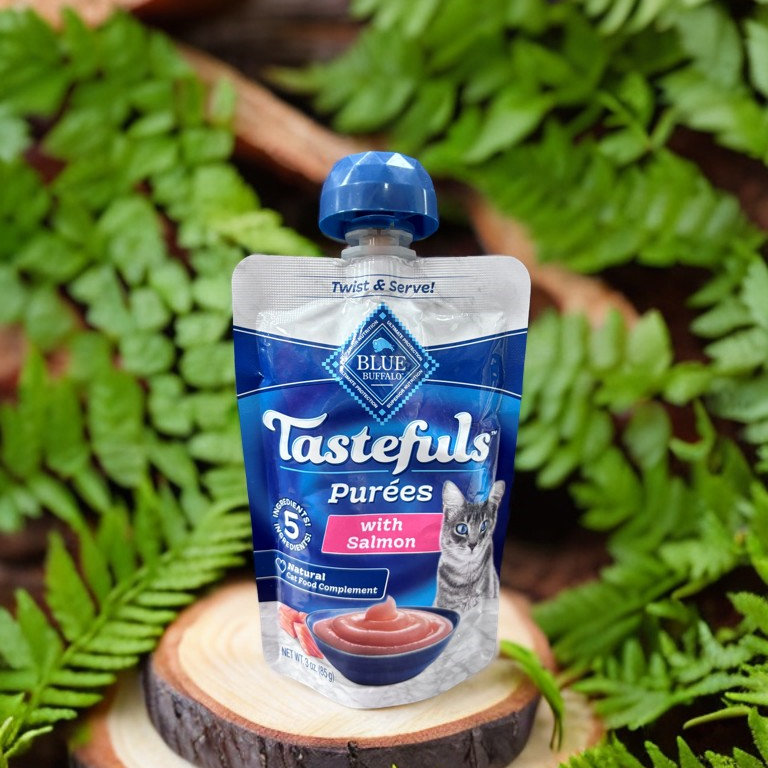
The pet care sector demands rigorous packaging performance. Brands can successfully transition to mono-material Recyclable Pet Food Packaging for liquid-heavy and lipid-heavy applications like pet gravies, bone broths, and wet food mixers. This requires careful engineering to ensure the mono-material structure can withstand aggressive ingredients without delaminating or leaking during transit.
Pure PE or PP structures possess an inherent weakness: they are poor at blocking oxygen and moisture compared to traditional aluminum foil. If you package oxygen-sensitive liquids in raw PE, the product will oxidize rapidly. Balancing shelf-life expectations with mono-material limitations requires integrating advanced barrier technologies without compromising the recycling stream.
To achieve necessary shelf life, engineers integrate EVOH (Ethylene Vinyl Alcohol) or apply ultra-thin AlOx/SiOx coatings to the mono-material film. These additions provide the necessary oxygen barrier. However, you must adhere to strict industry guidelines, such as the APR (Association of Plastic Recyclers) design guidelines. These rules dictate the maximum allowable percentage of EVOH—typically under 5% of the total package weight—to retain a "recyclable" classification. Exceeding this threshold disrupts the recycling process and degrades the recycled resin quality.
Wet pet food and liquid supplements contain aggressive fats and strong odors. Mono-materials must be rigorously tested to ensure they perform against these elements. Specialized sealant layers within the PE structure are required to prevent grease from migrating through the film, which ruins the package aesthetics and compromises the seal integrity. Puncture resistance is equally vital to survive the supply chain without catastrophic leaks.
Utilizing larger Pouches with Spouts as refill vessels for durable rigid containers presents a compelling environmental strategy. This approach drastically reduces the total volume of plastic entering the market. By optimizing the packaging-to-product ratio, brands achieve significant carbon footprint reductions through lightweighting and increased shipping efficiency, making the refill model highly sustainable even if local recycling infrastructure is lacking.
Assessing the gap between a pouch being "technically recyclable" in a lab and "practically recycled" in the real world is essential for accurate sustainability claims and regulatory compliance.
As established, MRFs cannot handle flexible films in curbside bins. Therefore, recyclable spouted pouches rely heavily on store drop-off programs. Achieving certifications like How2Recycle requires proving that your mono-material structure is compatible with the PE film streams collected at grocery stores. Consumers must be willing to rinse the pouch and physically return it to a designated collection point.
Upcoming state and international EPR laws will fundamentally change packaging economics. These regulations penalize non-recyclable packaging through heavy fees based on material type and end-of-life impact. Transitioning to mono-material structures now helps mitigate future tax liabilities. Compliant packaging will incur lower EPR fees, providing a financial incentive to offset the initial development costs of sustainable films.
Advanced, or chemical, recycling breaks down mixed plastics to a molecular level, converting them back into virgin-grade polymers. While currently lacking widespread scale, this technology holds the potential to solve the multi-layer pouch dilemma in the future. It bypasses the need for mechanical separation, allowing complex structures to be recycled. However, relying on this horizon technology today is risky; brands must focus on mechanical recycling compatibility for immediate compliance.
Transitioning to recyclable structures involves significant commercial implications. You must evaluate the overall value influencing factors beyond just the unit specifications of the pouch.
Mono-material films, particularly highly engineered MDO-PE, require significant capital expenditure for tooling compared to standard PET/PE laminates. Furthermore, these materials exhibit different stiffness and behavior on the production floor. You may need to invest in new tooling or modify existing pouch-making machinery to handle the unique tension and web-handling requirements of stretched PE films.
Sealing mono-materials presents a distinct technical challenge. In a traditional pouch, the outer PET layer resists heat while the inner PE layer melts to form the seal. In a mono-material PE pouch, the inner sealing layer and the outer printable layer share similar melt points. Standard heat-sealing jaws can easily burn straight through the entire pouch. You must implement precise temperature control profiles, utilize specialized Teflon coatings on seal bars, or transition to ultrasonic sealing technology to prevent catastrophic line failures.
Life Cycle Assessments (LCAs) provide a necessary balanced view. Recyclability is not the only metric for sustainability. Even if a spouted pouch ends up in a landfill, its exceptionally low weight and high product-to-package ratio often result in lower total greenhouse gas emissions than heavier, fully recyclable rigid glass or plastic containers. The carbon savings achieved during manufacturing and transportation frequently outweigh the end-of-life disposal impact.
Adopting recyclable flexible packaging introduces specific failure points. Identifying and mitigating these risks early ensures a smooth transition and protects brand integrity.
The market currently faces constraints regarding the sourcing of high-quality MDO-PE films and compatible mono-material spouts at scale. Lead times can be extended, and minimum order quantities may be higher than traditional materials. Secure your supply chain early by partnering with advanced packaging converters who have established access to these specialized resins.
Welding rigid PE spouts to flexible PE films is inherently difficult. You lack the forgiving nature of traditional multi-layer sealants that easily flow and fill gaps around the fitment base. Incomplete welds lead to micro-leaks. You must recommend and enforce rigorous testing protocols during the qualification phase:
Conduct dynamic compression testing to simulate pallet stacking loads.
Perform vacuum decay testing to identify microscopic seal fractures around the spout base.
Execute standardized drop tests from varying heights to ensure the mono-material film does not shatter upon impact.
Run burst testing to determine the maximum internal pressure the pouch can withstand before seal failure.
Accurate on-pack messaging is critical. Avoid blanket "100% Recyclable" claims without proper qualifiers. If the pouch requires store drop-off, you must state this clearly. Failing to provide accurate disposal instructions violates FTC Green Guides and exposes the brand to accusations of greenwashing, severely damaging consumer trust.
Pouches with spouts can indeed be recyclable, but success requires rigorous engineering. You must build them from the ground up as mono-material structures, utilize perfectly matched fitments, and carefully calibrate barrier layers to stay within recycling thresholds. When shortlisting solutions, use a clear decision matrix. Choose MDO-PE for standard liquids, dry goods, and pet food applications. Explore mono-material PP only for high-heat processing needs. Retain multi-layer structures only if extreme barrier requirements, such as long-term retort sterilization, currently outpace the capabilities of mono-material films.
Initiate a pilot program focusing on your highest-volume liquid or refill product to test market viability.
Request mono-material MDO-PE samples and matched fitments from your packaging converters for immediate evaluation.
Conduct exhaustive shelf-life, burst, and drop-testing before committing to a full-scale commercial rollout.
Audit your filling lines to ensure temperature controls can accommodate mono-material sealing parameters without burning the film.
A: No. Most traditional spouted pouches are not recyclable because they are made from mixed-material layers, such as PET, aluminum foil, and PE, which cannot be separated. Only specific mono-material designs engineered from a single polymer family qualify for recycling.
A: Generally, no. Flexible packaging is excluded from most curbside programs due to sorting machinery limitations at recycling facilities. Flexible films tangle in the equipment. They typically require specialized store drop-off programs for proper recycling.
A: A mono-material spout pouch is a package where the flexible film body, the inner sealant layer, and the rigid plastic spout are all manufactured from the exact same polymer family, usually Polyethylene (PE) or Polypropylene (PP).
A: Often, yes. The engineered films, such as MDO-PE, require specialized manufacturing processes. Brands may need to invest in filling line modifications to handle the precise temperature controls required to seal mono-materials without burning them.
A: To block oxygen and moisture, mono-material pouches utilize ultra-thin barrier coatings or small amounts of EVOH. These barrier layers must be kept under strict percentage thresholds (usually under 5%) so they do not contaminate the recycling stream.

