
Views: 0 Author: Site Editor Publish Time: 2026-08-13 Origin: Site


The packaging industry faces intense regulatory and consumer pressure to transition toward a circular economy, making end-of-life recyclability a non-negotiable requirement for enterprise brands. Historically, flat bottom bags have been highly sought after for their premium shelf presence and unmatched structural stability. However, they traditionally rely on unrecyclable multi-layer laminates, such as PET, aluminum, and PE, to achieve necessary rigidity, puncture resistance, and barrier properties. This reliance creates a significant end-of-life disposal problem.
Transitioning to mono-material structures presents distinct engineering challenges. Removing rigid outer layers and foil barriers fundamentally alters pouch performance on the filling line and the retail shelf. This guide evaluates whether these popular pouch formats can successfully utilize mono-materials without compromising structural integrity, production efficiency, or product shelf life. We will explore the technical feasibility, material engineering requirements, and operational trade-offs necessary to make this transition successful on the plant floor.
Feasibility: Flat bottom bags can be manufactured using mono-material plastics (primarily Mono-PE), but doing so requires advanced film engineering (such as MDO-PE) to maintain structural rigidity.
Barrier Trade-Offs: Achieving high oxygen and moisture barriers in mono-materials necessitates specialized coatings or acceptable EVOH percentages that comply with recycling stream tolerances.
Operational Impact: Mono-materials have narrower heat-sealing windows, which may require equipment retrofitting and can temporarily impact production line speeds.
Primary Applications: They are highly viable for dry goods, specifically serving as an optimal solution for Recyclable Pet Food Packaging where grease resistance and durability are critical.
Procurement Viability: Sourcing custom branded mono-material flat bottom pouches is increasingly accessible, with entry-level MOQs starting at 1,000 bags and rapid turnaround times.
Defining success for box pouches requires strict criteria. These pouches must provide five panels of printable space, allowing maximum branding real estate. They need a completely flat base for shelf stability, preventing tipping even when the product settles unevenly. Furthermore, they rely on quad-seal structural integrity to hold shape under heavy fill weights. Meeting these demands requires specific material stiffness, exceptional seal strength, and precise gusset folding during the converting process.
Historically, multi-layer laminates served as the standard. Packaging engineers relied on mixed polymers to achieve distinct performance goals. A typical structure might include a 12-micron PET outer layer, which provided excellent printability, scuff resistance, and high heat tolerance during sealing. Beneath that, a layer of aluminum foil or metallized PET delivered absolute oxygen and moisture barriers. Finally, a thick PE inner layer (often 80 to 120 microns) ensured reliable heat sealing and bulk strength. Fusing these incompatible materials together created a rigid, high-performance structure that was impossible to recycle through standard mechanical processes.
Moving to a single polymer type introduces a mono-material deficit. Using only polyethylene inherently limits physical performance. The primary risk is a loss of rigidity. Without a stiff PET outer layer, the pouch risks deformation, bulging, or collapsing under heavy fill weights. When a 20-pound bag of kibble settles, the outward pressure on the side gussets can cause standard PE films to stretch and distort, ruining the premium block-bottom aesthetic. Overcoming this physical limitation requires advanced film processing techniques and careful gauge selection.
The following matrix compares traditional structures against modern recyclable alternatives across key performance indicators.
Performance Metric | Traditional Multi-Layer (PET/AL/PE) | Mono-Material (MDO-PE/PE) |
|---|---|---|
Structural Stiffness | Excellent rigidity and shelf presence. Resists bulging. | Good, but requires MDO-PE and higher gauge to prevent bulging. |
Barrier Efficiency | Absolute barrier (zero transmission of O2 and H2O). | High barrier achievable with EVOH co-extrusion or AlOx coatings. |
Recyclability | Unrecyclable (destined for landfill or incineration). | Fully recyclable (compatible with store drop-off PE streams). |
Production Complexity | Standardized wide heat-sealing windows (50°C+ delta). | Narrow sealing windows (10-15°C delta); requires precise temp control. |
Puncture Resistance | High, due to multi-directional polymer orientation. | Moderate to High, depending on sealant web formulation. |
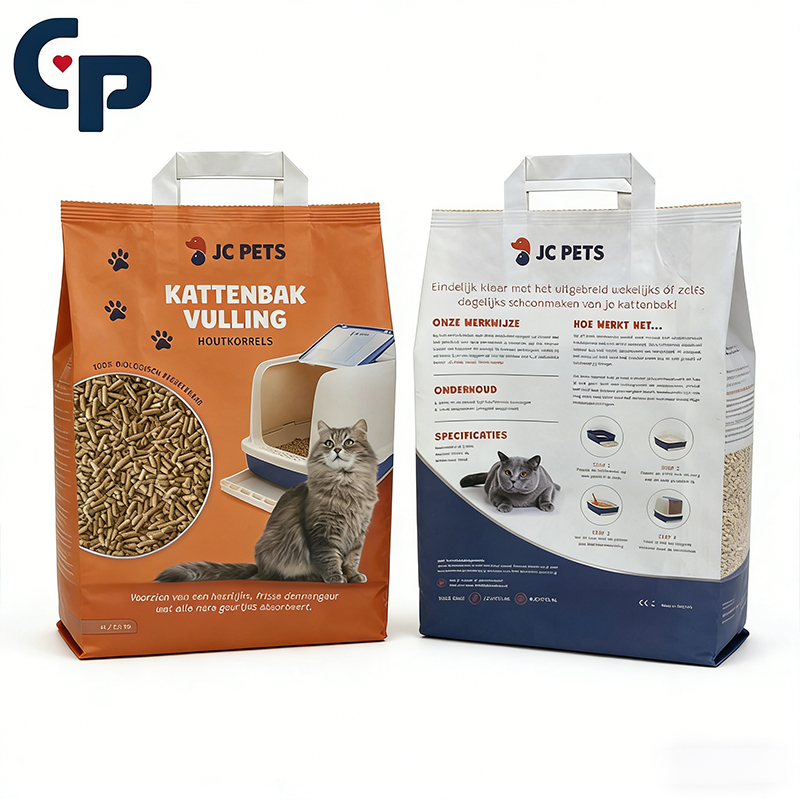
Polyethylene (PE) stands as the primary candidate for flexible mono-material packaging. It is the industry standard due to its widespread compatibility with existing recycling infrastructures. Most "store drop-off" programs specifically target PE films (LDPE and LLDPE). By constructing the entire pouch from PE, brands ensure the final product fits seamlessly into established recovery streams without triggering sorting rejections at material recovery facilities (MRFs).
Using Mono-PE supports true circularity via film-to-film loops. Traditional recycling often results in downcycling, where mixed plastics become low-value items like park benches or composite lumber. Clean mono-material PE collections feed directly back into high-value usage streams. This enables the processing of used film into new, high-quality packaging films, keeping food-grade polymers in circulation and reducing reliance on virgin petrochemical feedstocks.
Achieving the necessary stiffness requires Machine Direction Orientation (MDO-PE). Standard blown PE is too soft for a box pouch. MDO technology stretches the PE film under precise heat conditions, typically up to six times its original length in the machine direction. This process alters the molecular structure, aligning the polymer chains tightly. The result is increased stiffness, higher heat resistance, and improved optical clarity. MDO-PE effectively replaces the need for a traditional PET outer layer, providing the rigidity necessary for box pouches to stand upright without sagging.
Mono-PP (Polypropylene) serves as a secondary alternative. It offers higher natural heat tolerance than standard PE, making it easier to run on older sealing equipment without burning the outer layer. Cast PP (CPP) and Biaxially Oriented PP (BOPP) can create excellent, clear, stiff pouches. However, Mono-PP faces lower recycling stream acceptance globally. While technically recyclable, fewer facilities process flexible PP films compared to robust PE drop-off networks, making PE the safer bet for broad compliance claims.
When engineering the sealant web for a mono-PE structure, operators often blend metallocene linear low-density polyethylene (mLLDPE) into the inner layer. Metallocene catalysts create a highly consistent polymer structure that offers superior hot tack strength and lower initiation temperatures. This allows the inner layer to melt and seal quickly before the heat penetrates and distorts the outer MDO-PE layer, partially mitigating the narrow sealing window issue.
Moving away from aluminum foil layers requires careful evaluation of transmission rates. Packaging engineers must establish baseline Oxygen Transmission Rates (OTR) and Water Vapor Transmission Rates (WVTR) using standardized testing protocols like ASTM D3985 and ASTM F1249. Standard Mono-PE provides excellent moisture protection naturally, but it offers very poor oxygen resistance. Protecting sensitive products from oxidation requires augmenting the PE structure without ruining its recyclability profile.
Integrating EVOH (Ethylene Vinyl Alcohol) addresses high-barrier needs. EVOH provides exceptional oxygen resistance, blocking gas transfer effectively even at very thin gauges. To maintain compatibility with PE recycling streams, the EVOH content must remain below a specific technical threshold. Typically, keeping EVOH under 5% of the total pouch weight ensures the material remains fully recyclable within standard PE networks. The EVOH is usually co-extruded within the PE sealant web, sandwiched between tie layers to prevent moisture from degrading its barrier performance.
Alternative barrier coatings offer another path. Applying AlOx (Aluminum Oxide) or SiOx (Silicon Oxide) coatings to MDO-PE films achieves high barrier performance. These microscopic ceramic coatings are applied via vacuum deposition. They are thin enough (often just a few nanometers) that they do not disrupt the recycling process or trigger metal detectors on the packaging line. They provide a transparent, high-barrier solution that maintains the mono-material classification while offering OTR levels approaching those of metallized films.
Another emerging technology involves the use of polyvinyl alcohol (PVOH) coatings. Similar to EVOH but applied as a liquid wash coat, PVOH can provide excellent oxygen barriers. However, it is highly sensitive to humidity. Engineers must ensure the outer PE layers provide sufficient moisture barriers to protect the PVOH layer during transit and storage in humid climates. Testing these structures in environmental chambers at 38°C and 90% relative humidity is a standard requirement before commercial rollout.
Pet food packaging demands specific application criteria. These bags often handle high fill weights, ranging from 5 lbs up to 40 lbs for bulk formats. They must provide absolute grease resistance to prevent fat migration from kibble, which can cause unsightly staining and compromise seal integrity. Additionally, odor containment is critical for consumer acceptance; pet owners do not want their pantries smelling like fish meal. Recyclable Pet Food Packaging must meet these rigorous demands while utilizing single-polymer structures.
Puncture resistance and drop testing are vital evaluation metrics. Mono-material structures perform differently in transit simulations compared to traditional multi-layer bags. MDO-PE provides excellent tensile strength, but it can be brittle if not properly formulated. Engineers must carefully specify gauge thickness and incorporate elastomeric blends into the sealant web to absorb impact energy. Properly engineered mono-PE bags must pass standard drop tests—typically a series of flat, edge, and corner drops from 3 to 4 feet—without bursting at the quad seals or the bottom gusset.
Shelf-life expectations remain a primary concern. Kibble and treats contain high levels of fats and oils that require protection from oxidation to prevent rancidity. Moisture ingress can lead to mold growth or loss of crunchiness. Utilizing mono-PE structures combined with EVOH barriers effectively matches the 12-to-18-month shelf-life requirements for most dry pet foods. Brands can confidently transition without risking product spoilage or nutrient degradation, provided the barrier layers are properly specified.
The structural design of the flat bottom itself plays a role in durability. The quad-seal format reinforces the vertical edges of the bag, acting like structural pillars. This design distributes the internal load of heavy kibble more evenly across the base compared to a standard stand-up pouch. When utilizing mono-materials, ensuring the side gussets are properly tacked and the bottom seal is fully fused is critical to preventing the bag from splitting open during palletization and warehouse stacking.
The primary implementation risk lies in the heat sealing dilemma. Traditional laminates use a high-melt outer layer (PET melts around 250°C) and a low-melt inner layer (PE melts around 110°C). This massive temperature differential allows operators to blast the film with heat to achieve fast, secure seals without damaging the outside of the bag. Mono-materials lack this distinct melting temperature differential. Both the outer MDO-PE and inner PE layers melt at relatively similar temperatures. This increases the risk of film shrinkage, distortion, or burning during the sealing process.
Equipment retrofitting mitigates these risks. Packaging lines often require upgrades to exact-temperature control seal jaws. Older machines with wide temperature fluctuations will destroy mono-material films. Utilizing high-quality Teflon coatings or Teflon tape on sealing bars prevents the outer PE layer from sticking to the heated metal. Adjusting dwell times and pressure settings allows operators to achieve hermetic seals without pushing the heat entirely through the web.
Transitioning to mono-materials temporarily impacts production line speeds. During the initial calibration phase, operators must run equipment slower to allow heat to penetrate the film gently, preventing seal failures. Brands should anticipate reduced throughput—sometimes a 10% to 20% drop in bags per minute—and slightly increased scrap rates until the machinery is fully optimized for the new film structures. Over time, as operators learn the specific thermal profiles of the mono-PE films, speeds can often be brought back up to near-historical levels.
Sourcing and prototyping realities have improved significantly. Custom-branded trials are highly accessible. Brands can execute pilot runs with low Minimum Order Quantities (MOQs starting at 1,000 bags). Fast delivery turnarounds, often within 10-15 business days, allow packaging engineers to mitigate initial R&D risks and test form-fill-seal compatibility quickly. Running a small batch of 5,000 bags through the actual production equipment is the only reliable way to validate seal integrity and machine machinability before committing to a full-scale rollout.
Cooling stations on the packaging line also become more critical. Because mono-PE retains heat differently than PET/AL structures, the seals remain tacky for a fraction of a second longer after leaving the jaws. Implementing air-blast cooling or water-chilled cooling bars immediately after the seal station helps set the polymer quickly, preventing the heavy product fill from blowing out the bottom seal before it has fully crystallized.
Understanding infrastructure realities is critical. There is a distinct difference between "technically recyclable" and "practically recycled." Mono-material pouches are fully recyclable, but they face curbside collection limitations. Flexible films tend to wrap around the sorting screens at material recovery facilities, causing equipment jams. Therefore, they rely heavily on store drop-off programs specifically designed for PE film streams. Brands must communicate proper disposal methods clearly to consumers, utilizing standardized labeling systems.
Certifications and compliance substantiate marketing claims. Securing third-party validations, such as How2Recycle in the US or CEFLEX guidelines in Europe, is essential. These organizations test the specific film structures to ensure the EVOH content, inks, and adhesives do not contaminate the recycling stream. Securing these certifications proves the packaging meets strict recycling tolerances, helping brands avoid accusations of greenwashing and ensuring regulatory compliance with emerging Extended Producer Responsibility (EPR) laws.
Food safety standards remain paramount. Mono-material structures must meet global standards, including BRC-GS food-safe production and FDA requirements. Manufacturers must guarantee that no chemical migration occurs from recycled content or specialized barrier layers into the food product. When utilizing MDO-PE and EVOH, the supply chain must provide full traceability and migration testing data to confirm the packaging is safe for direct food contact across its entire intended shelf life.
Inks and adhesives also play a role in end-of-life compliance. Traditional polyurethane laminating adhesives and certain heavy-metal inks can disrupt the recycling process, causing discoloration or off-gassing when the PE is melted down. Transitioning to mono-materials often requires switching to solventless adhesives and recycling-friendly ink systems that wash off easily or blend harmlessly into the polymer matrix during reprocessing.
Take the following actionable steps to initiate your transition:
Order a small run of 1,000 to 5,000 mono-PE bags to conduct physical prototyping and assess shelf presence without major capital commitment.
Audit your existing heat-sealing equipment to determine if exact-temperature control jaws and upgraded Teflon coatings are required.
Execute a series of 4-foot drop tests using your exact product fill weights to validate the puncture resistance and seal strength of the mono-material structure.
Submit your proposed film structure to How2Recycle or CEFLEX early in the design phase to guarantee compliance before printing full production volumes.
A: It is constructed from a single polymer type, typically over 90-95% Polyethylene. This uniform composition allows the entire pouch to be recycled in a single stream without requiring material separation.
A: Yes. By utilizing MDO-PE technology and specifying the proper gauge thickness, these bags achieve high tensile strength. They can comfortably support heavy fill weights, making them ideal for bulk powders or pet food.
A: While baseline mono-PE has lower barrier properties than aluminum foil, adding EVOH layers or specialized ceramic coatings (like AlOx) provides high oxygen and moisture resistance, matching the shelf life required for most dry goods.
A: Not necessarily. While entirely new machinery isn't always required, existing heat-sealing equipment often needs precise temperature control upgrades and Teflon coatings to prevent the PE film from distorting or burning during sealing.
A: Yes. MDO-PE provides an excellent, stable surface for rotogravure, flexographic, and digital printing, allowing for high-resolution graphics that rival traditional PET outer layers.
A: Multi-layer packaging uses incompatible plastics and metals fused together, making end-of-life recycling nearly impossible. Mono-materials use a single polymer family, allowing the packaging to be easily melted down and reused.
A: Generally, no. While they are fully recyclable, flexible films typically jam standard curbside sorting equipment. They require disposal via dedicated store drop-off PE film streams to be processed correctly.

