
Views: 0 Author: Site Editor Publish Time: 2025-09-29 Origin: Site


Keeping coffee fresh is the most important thing when selecting coffee packaging. More than 30% of coffee beans lose quality during shipping due to inadequate packaging. You should also consider being eco-friendly, the cost, branding, labeling, the size of the package, and adherence to food safety regulations. Many consumers care about green choices and are attracted to brands with colorful packaging that is easy to spot. Look at the chart below to see what factors influence coffee packaging decisions:
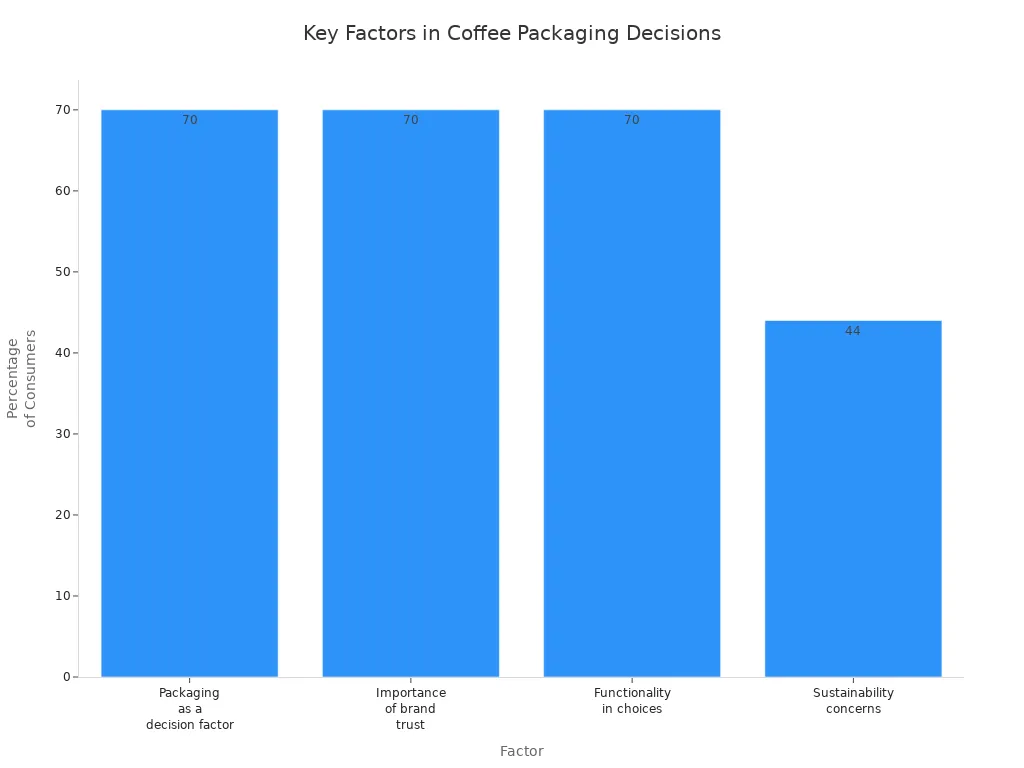
As you read, think about what is most important for your coffee and your customers.
Pick packaging that keeps coffee fresh. Aluminum foil works best because it stops air and moisture.
Use one-way valves in packaging. These let gas out but keep air away. This helps the flavor last longer.
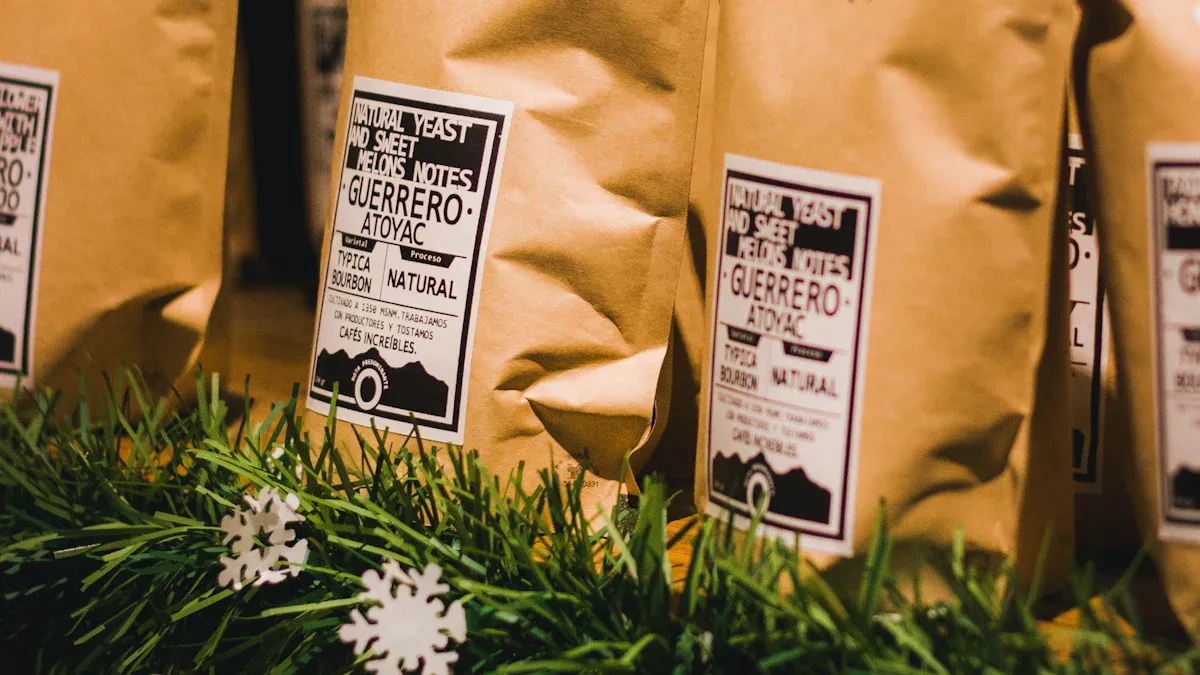
Think about using eco-friendly materials like kraft paper or compostable choices. These options attract people who care about the environment.
Make sure labels show important things like roast date and ingredients. Clear labels help customers trust you.
Choose the right size and type of packaging. This lowers air exposure. It helps keep the coffee’s smell and taste.
Picking the right material helps keep coffee fresh. Each material protects against air, water, and light in different ways. The table below shows how each one works:
Material | Barrier Properties | Additional Notes |
|---|---|---|
Aluminum Foil | Excellent protection against light, oxygen, and moisture | Nearly zero Water Vapor Transmission Rate (WVTR) and Oxygen Transmission Rate (OTR) |
Kraft Paper | Needs extra lining for better protection | Can keep coffee fresh if lined with a barrier film |
Plastic (LDPE) | Gives moderate barrier protection | Good flexibility and moisture resistance |
Aluminum foil is great because it blocks almost all air and water. This matters because oxygen and water vapor can ruin coffee taste fast. Kraft paper looks natural and seems eco-friendly, but it needs a lining to work well. Plastic bags bend easily and keep out water, but they do not block oxygen as well as foil.
Tip: For the best freshness, pick packaging with an aluminum foil layer. It keeps out both air and water, which hurt coffee flavor.
Aluminum foil is almost airtight. It stops oxygen from getting in and keeps coffee from going stale.
It also blocks water vapor, so beans stay dry and fresh.
Kraft paper alone does not protect well, but a lined kraft bag works for short-term storage.
Plastic bags are fine for short-term use, but not for long-term freshness.
Freshly roasted coffee lets out carbon dioxide gas. If you seal it in a bag with no way for gas to escape, the bag can puff up or burst. One-way valves fix this. They let gas out but do not let air in. This keeps coffee fresh for longer.
The chart below shows how much flavor coffee keeps in bags with and without valves:
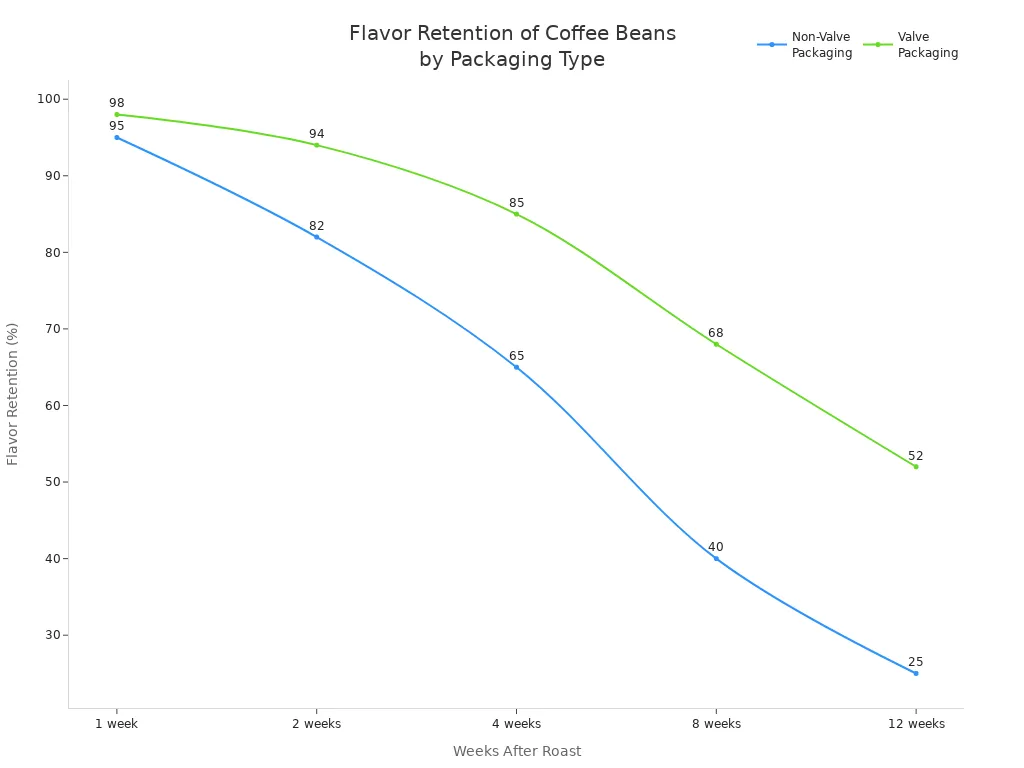
You can see that coffee packaging with a valve keeps more flavor for up to 12 weeks. Without a valve, coffee loses its taste much faster.
Resealable closures help keep coffee fresh after you open the bag. Here is a quick guide to common closure types:
Closure Type | Description | Pros | Cons |
|---|---|---|---|
Tin Ties | Plastic or paper strip with iron wire. | Cheap, easy to use. | Not airtight, lets air in. |
Tear Notches | Small cuts for easy opening and resealing. | Easy access, keeps branding visible. | Can damage the bag if not placed well. |
Hook & Loop Zippers | Snaps shut, easy to open and close. | Secure, reusable. | Not fully airtight or watertight. |
Pocket Zippers | Hidden zipper, tamper-proof. | Good for shipping, keeps coffee safe. | Needs cleaning for best seal. |
Note: For best results, pick a closure that is easy to use and keeps air out. This helps your coffee stay fresh every time you open the bag.
Vacuum sealing takes out almost all the air from the package. This helps coffee last much longer. Vacuum-packed coffee can stay fresh for up to six months. Once you open the bag, use the coffee within one to two weeks for the best flavor.
Whole roasted beans in vacuum-sealed bags last about six months.
After opening, flavor starts to fade after two weeks.
Exposure to Air: Oxygen makes coffee go stale. Packaging with valves or airtight seals helps stop this.
Light Exposure: Light breaks down oils in coffee. Opaque or UV-resistant packaging protects these oils.
Temperature Fluctuations: Heat speeds up aging. Good packaging helps keep coffee cool and stable.
Moisture Levels: Water can cause mold and spoilage. Barrier packaging keeps beans dry.
Coffee packaging that blocks air, water, and light will help you deliver the freshest cup possible. By picking the right materials and features, you protect your coffee from the main causes of flavor loss.
There are many eco-friendly choices for coffee packaging. These materials help cut down on waste and keep the planet healthy. Here are some popular options:
Low-density polyethylene (LDPE): LDPE can be recycled completely. It is light, strong, and bends easily. But making it does cause greenhouse gases.
Kraft paper: Kraft paper comes from wood pulp. It can be recycled or composted at home. It is cheap but needs extra layers to protect coffee.
Rice paper: Rice paper is made from bamboo and tree bark. It is also recyclable and compostable at home. It does not block air or water very well.
Polylactic acid (PLA): PLA is made from things that grow back, like plants. It can be composted in special places and keeps coffee fresh. It breaks down faster than normal plastic but needs a special composting site.
Tip: Pick materials that fit your green goals and what your product needs.
Using recyclable and compostable packaging helps the environment. Compostable coffee packaging does not last as long as regular packaging. It can break down if it gets hot or wet and is not good for heavy items. Regular plastic lasts longer and is stronger. Be careful with compostable packaging so it does not break or fall apart.
Compostable packaging works best for short-term use.
Recyclable choices like LDPE are stronger for shipping and storing.
Many coffee brands use eco-friendly packaging to show they care about the earth. More than half of buyers want brands that share their values. Here are some brands and how they use green packaging:
Coffee Brand | Packaging Features | Sustainability Practices |
|---|---|---|
Grumpy Mule | Special flavors, brewing tips | Eco-friendly materials |
The Barn Coffee Roasters | Simple look, nice writing | Eco-friendly materials, green practices |
Paper Plane Coffee Co. | Fun, creative pictures | Eco-friendly materials, green practices |
Dogwood Coffee Co. | Focus on green packaging | Eco-friendly materials, careful sourcing |
Sustainability is now very important in coffee packaging. Many brands use compostable cups and lids to meet what customers want and help the planet.
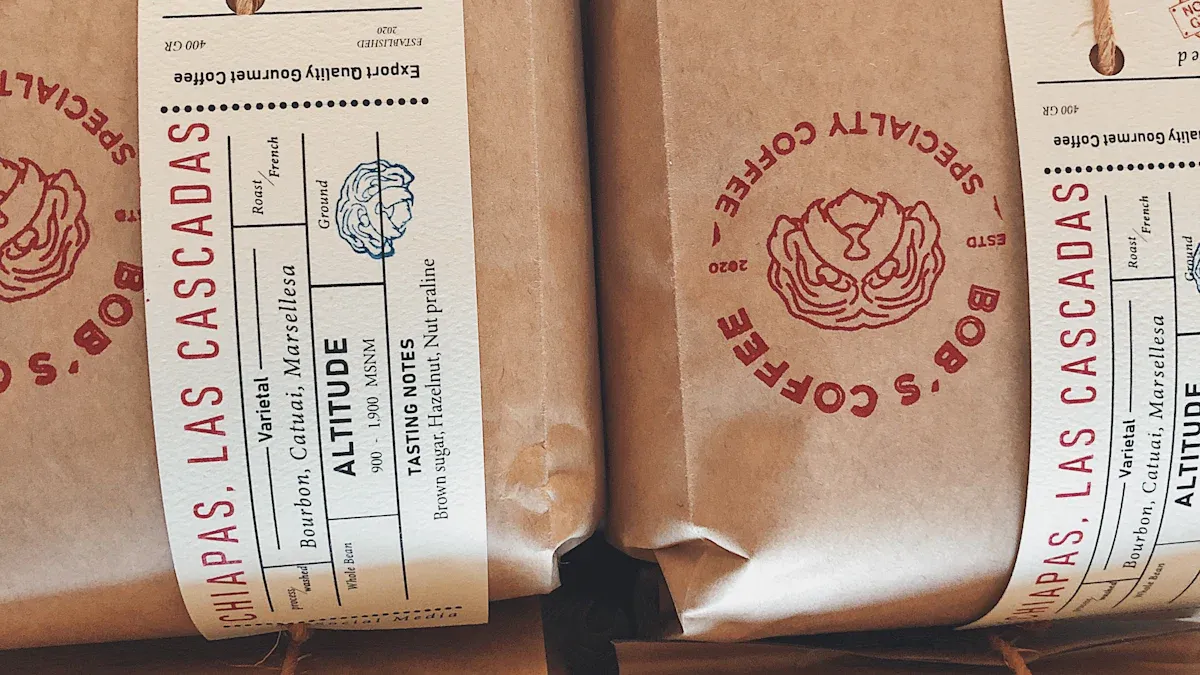
Your coffee bag is the first thing people notice. It helps shape what customers think about your brand. Packaging design can change how people decide to buy:
People notice bright packaging first. It makes them curious to learn more.
If all your products look the same, people remember your brand better.
Packaging can tell your story. Use colors, pictures, and words to show what you care about.
Good design makes people feel something. They often pick brands that make them feel good.
Special packaging helps your coffee stand out from others.
Clear labels are important and sometimes required by law. You must add key details so buyers know what they get. This also helps you follow the rules. Here is a table with the main things to include:
Labeling Element | Description |
|---|---|
Manufacturer Information | Name and address, easy to see in English |
Date of Processing | Tells when the coffee was roasted and packed |
Net Quantity of Contents | Shows the total weight in grams or kilograms |
Ingredients List | Lists all ingredients and allergens in order |
Country of Origin | Optional, but must be bold and in English if you add it |
Adding things like roast date and where the coffee is from builds trust. People want to know how fresh their coffee is and where it comes from. Sharing this info shows you are honest and care about where your coffee comes from.
You want your coffee to get noticed in stores. Use bright colors and fun letters to catch people’s eyes. Try different shapes or color fades to make your bag look special. Test your packaging in real stores to see how it looks next to others. Good design can turn a plain bag into a great way to sell your coffee.
Tip: Add details like flavor notes, roast level, and how to brew. These extras help people connect with your brand and feel sure about what they buy.
It is important to pick the right size for your coffee packaging. Specialty coffee roasters usually use these sizes:
8 oz: Good for small, special batches.
12 oz: Most common on store shelves.
1 lb: Used by cafes and for bigger sales.
5 lb: Best for selling in bulk.
These sizes help balance coffee and air space, called "headspace." If the bag is too small, beans cannot let out carbon dioxide. This can make the flavor worse. If the bag is too big, too much air gets in and makes coffee stale. Less headspace keeps the smell and taste strong by limiting oxygen. Using high-barrier packaging and one-way valves also helps keep coffee fresh.
There are many types of packaging you can use. Each type has good and bad points. Here is a simple comparison:
Type | Key Features | Pros | Cons |
|---|---|---|---|
Doypack | Stands up, often has zipper and valve | Easy to close, good for brands, light | Not as strong as cans, less tough |
Bag | Flat or with sides, can have valves and zippers | Flexible, cheap, many sizes | Not as much protection as cans |
Can | Hard, blocks light and water, often vacuum-sealed | Best protection, stacks well, lasts long | Costs more, not as easy to design |
Pod | One cup, pre-measured, often plastic or compostable | Easy to use, controls portions | Makes more trash, loses freshness faster |
Features like one-way valves, zipper seals, and flat bottoms make packaging easier to use and look better. Doypacks with aluminum layers protect against oxygen, water, and sunlight. Cans keep coffee safe when shipping and stack to save space.
You also need to think about cost, storage, and shipping. Roasting coffee is only part of what you pay. Packaging and labels add $1.00 to $1.50 for each pound. Shipping costs about $1.50 per pound too. Ready-to-drink coffee and green materials can change your costs.
Cans protect coffee from light, water, and air. They stack well, save space, and can lower shipping costs. Packing tightly stops beans from moving and getting damaged. Picking the right size and shape helps with storage and shipping.
The materials you pick also change your effect on the environment. Many packages use plastic or metal that is hard to recycle. Green choices, like recyclable or biodegradable materials, help cut waste and make your brand better for the planet.
You have to follow rules to keep coffee safe. Getting the right certifications is important. These show you care about quality and your customers.
FDA Food Facility Registration: If you make or pack coffee in the U.S., you must register with the FDA. You need to do this every two years.
Hazard Analysis Critical Control Points (HACCP): This certification means you follow food safety steps. It helps you find and fix problems in your process.
Food safety problems can come from different places. Watch out for these things:
Chemical Migration: Some plastics can leak chemicals into coffee. Pick safe packaging to stop this from happening.
Inadequate Sealing: Bad seals let in germs and dirt. Always check that your packaging is sealed tight.
Temperature Fluctuations: Big changes in temperature can spoil coffee. Store coffee in cool, steady places.
Different countries have their own rules for coffee packaging. Here is a quick chart showing the main differences:
Aspect | Major Coffee-Exporting Countries | Major Coffee-Importing Countries |
|---|---|---|
Safety Standards | Rules are not always strict | Rules are strict, like FDA |
Labeling Requirements | Only basic info is needed | Must include details and allergens |
Environmental Rules | Not many rules | Strong rules, like EUDR for forests |
You must label your coffee clearly and honestly. The United States and the European Union have rules for what you must put on the package:
Statement of Identity: Use the common name, like "Ground Coffee."
Net Quantity of Contents: Show the amount in ounces and grams.
Ingredient List: List all ingredients by weight.
Nutrition Facts: Add a nutrition panel, even for plain coffee.
Name and Address: Give your business details.
Allergen Information: List any major allergens.
Origin Claims: Only say the country of origin if it is true.
Roast Level Descriptions: Make sure these match the coffee inside.
Organic Claims: Only use if you have USDA certification.
Caffeine Content Disclosure: If you include this, it must be correct.
Some new rules are coming for packaging materials. Some packages now show:
Material Composition Labels: Help people know how to recycle the package.
Reusability Labels: Show if the package can be used again.
Digital Data Carrier: QR codes that give more information about the packaging.
Tip: Always check the newest rules for your market. Following these steps keeps your coffee safe and helps customers trust you.
You should reseal the bag tightly after each use. Use packaging with a zipper or valve. Store your coffee in a cool, dry place away from sunlight.
Look for compostable or recyclable bags. Materials like kraft paper with PLA lining or mono-material poly are good choices. Always check for eco-labels.
You must include the product name, net weight, ingredients, roast date, and your business address. Some countries require nutrition facts and allergen warnings.

