
Views: 0 Author: Site Editor Publish Time: 2026-04-25 Origin: Site


Pouch sealing is not merely a basic packaging step. It acts as a critical operational bottleneck. This final step directly impacts product shelf-life, tamper-evidence compliance, and retail presentation.
Scaling an operation from hand-packing to commercial distribution means you must abandon makeshift solutions. The method you choose fundamentally dictates production speed and your total cost of ownership. A compromised seal risks severe contamination and quickly destroys consumer trust.
This guide provides a comprehensive decision-making framework for growing brands and co-packers. You will learn how to evaluate commercial equipment options and analyze complex material compatibility. We will also help you establish bulletproof sealing protocols for your packaging lines.
Material composition (thermoplastic vs. thermosetting, layer count) strictly dictates whether you need impulse or direct heat technology.
A commercial-grade seal must always sit *above* the tear notch and pre-installed zipper to guarantee true tamper-evident security.
Matching zipper types (e.g., powder-friendly vs. press-to-close) to the specific product prevents secondary sealing failures and reduces return rates.
Operators often view sealing as a simple mechanical action. In reality, it involves complex material science. Understanding this engineering prevents disastrous product failures during shipping and retail display.
A compromised seal leads to devastating business consequences. Environmental contamination enters the package. Rapid spoilage occurs, especially for a Food Stand Up Pouch containing perishable goods. Consumers lose trust instantly when they open a stale or leaking product.
Your primary goal is achieving a uniform, airtight weld. This weld must survive heavy transit vibration and drop tests. It must also look professional without warped or burned edges. Retail buyers frequently reject shipments exhibiting inconsistent packaging aesthetics.
Heat sealing relies entirely on material compatibility. You cannot melt every type of plastic together. Most pouches require a heat-sealable interior laminate. Common choices include PE (Polyethylene) or PP (Polypropylene). These are thermoplastics. They melt under heat and fuse under pressure.
Conversely, thermosetting plastics do not melt. They simply burn or char when exposed to high temperatures. You must ensure your bag features a proper thermoplastic inner layer.
Layer count also dictates your heat requirements. Thin, single-layer flexible plastics seal quickly at lower temperatures. Thicker multi-layer laminates demand aggressive thermal energy. Materials like METPET (Metalized PET) or 4-layer kraft coffee bags require significantly higher heat penetration. The heat must push through the outer protective layers to melt the inner PE film.
We must frame sealing as a holistic design process. You apply heat last, but the preparation starts much earlier. A successful seal depends on the entire pouch anatomy.
Tear Notches: You must place the seal correctly around these notches to ensure a good user experience.
Gusset Expansion: Bottom gussets must expand fully during filling. Proper alignment prevents wrinkles in the top seal zone.
Zipper Integration: The heat zone must clear the zipper tracks to avoid melting the closure mechanism together.
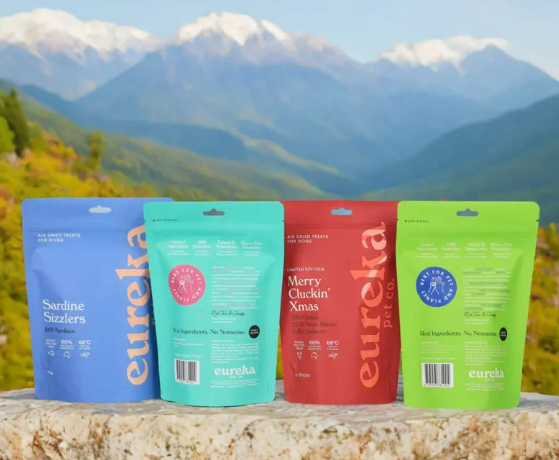
Choosing the right equipment depends heavily on your production stage. Micro-brands use different tools than commercial co-packers. We evaluate the two primary industrial solutions below.
Impulse sealers represent the entry-level standard for flexible packaging. They remain popular for startups and prototyping labs.
Mechanism: This machine does not stay hot. It applies a brief electrical impulse to a heating wire only when the jaw closes. The heat melts the plastic. A critical cooling phase follows immediately while the jaws remain clamped. This cooling phase sets the weld.
Best For: These units excel with low-melt materials and low-volume production. Single heating elements handle standard 4-5mm material thicknesses perfectly. If you seal thick gussets or multi-layer foil bags, you will require a double-impulse model. Double models feature heating elements on both the top and bottom jaws for deeper penetration.
Implementation Risk: Manual impulse sealing depends entirely on operator timing. Inconsistent pressure ruins seals. Premature release before the cooling phase finishes compromises sterility. Furthermore, impulse sealers often yield a narrow 2-5mm line. This creates a less professional aesthetic compared to continuous machinery.
As your operation scales, manual clamping becomes a severe bottleneck. Continuous band sealers automate the thermal application process.
Mechanism: These machines use constant-heat metal bars. They integrate a motorized conveyor belt. You feed the bag into a slot. Teflon belts grip the plastic and pull it past the heating blocks and cooling wheels automatically.
Best For: Band sealers dominate high-frequency production environments. They handle multi-layer foils effortlessly. They also achieve wide, professional-grade seals ranging from 8mm to 15mm.
Scalability Advantage: Machine dwell time no longer limits your output. Production speed is determined entirely by the operator's feeding speed. Many models also allow for inline date-coding integration. You can print expiration dates directly onto the seal line in one fluid motion.
Industry Stance: Packaging engineers widely consider band sealers the superior standard for commercial applications. They provide uniform heat distribution. They eliminate operator fatigue. They deliver the polished visual output expected on retail shelves.
Equipment Comparison Chart
Feature | Impulse Sealer | Continuous Band Sealer |
|---|---|---|
Heat Application | Intermittent (only when closed) | Constant (direct heat blocks) |
Throughput Speed | Low (5-15 bags per minute) | High (20+ bags per minute) |
Seal Width | Narrow (2mm - 5mm) | Wide & Commercial (8mm - 15mm) |
Operator Dependency | High (timing and pressure vary) | Low (machine controls speed/pressure) |
Ideal Material | Thin PE/PP films | Thick laminates, foils, heavy kraft |
Avoid buying equipment based solely on price. Use this four-dimensional framework to audit your operational needs before purchasing.
Dimension 1: Expected Throughput
Map your equipment directly to your business lifecycle stage. Hand-press sealers work for prototyping. Upgrading to foot-operated models drastically reduces operator fatigue. Moving to a continuous band sealer offers the highest Return on Investment (ROI). It minimizes your per-unit labor cost. If an operator doubles their output, the machine pays for itself in weeks.
Dimension 2: Material Thickness & Construction
Your film structure dictates your temperature settings. Thicker bags require lower conveyor speeds on band sealers. Slower speeds give the thermal energy time to penetrate inner layers. If you use impulse sealers for thick materials, you must buy double-impulse jaws. Otherwise, you risk scorching the exterior while leaving the interior unsealed.
Dimension 3: Seal Width Requirements
Retail aesthetics matter. The standard industrial aesthetic starts at a 5mm width. However, 8mm to 15mm widths are highly recommended for heavier items. A wider weld prevents drop-test blowouts when cases are mishandled during shipping.
Dimension 4: Filled Pouch Weight & Height
Gravity works against you during packaging. A heavy Stand Up Pouch tends to tip over. You must select band sealers with adjustable conveyor heights. The machine must support the bag's weight fully. Some liquids require a machine with an adjustable tilt angle to prevent product spillage during the thermal process.
Owning the right equipment solves only half the puzzle. You must implement strict operational procedures to prevent daily packaging failures.
We cannot overstate the importance of proper alignment. Heat seals must sit precisely above the internal zipper and around/above the tear notches. This placement ensures the customer can tear the top off and access the zipper. Sealing below the tear notch ruins the design. It makes the package impossible to open without scissors, frustrating your buyers.
Your physical setup directly impacts weld quality. You must maintain strict environmental controls.
Clean Surfaces: Keep sealing zones entirely dust-free. Particulates interfere with plastic fusion.
Lighting: Install bright, overhead lighting. Operators need clear visibility to align the tear notches correctly.
Climate Control: Maintain stable room temperatures. Drastic ambient temperature drops require you to increase machine heat settings.
Product contamination represents the most common cause of seal failure. Warn your team against splashing wet or oily products into the top inside edges of the bag.
Best Practice: Use wide-mouth funnels during filling. Keep the inner lip completely clean. For high-oil or liquid products, emphasize the need for foil-lined interiors. Standard kraft paper edges will absorb splashed oil, stain visibly, and fail to bond entirely when heated.
Never run a new material at maximum heat. Always start at a low temperature setting. Perform a test, evaluate the bond, and incrementally increase the heat.
Common Mistake: Operators often crank up the temperature to speed up the conveyor belt. This leads to melted, warped plastic. You must balance conveyor speed and temperature. Slower speeds combined with moderate heat always produce safer, cleaner results for thick bags than fast speeds paired with extreme heat.
Sealing extends beyond the factory floor. The way a package closes directly influences consumer psychology and brand loyalty.
Many brands hesitate to add zippers due to minor cost increases. You must reframe this objection. A primary heat seal protects the product until purchase. The secondary closure (the zipper) protects the brand experience at home.
Consumers hate transferring products into generic plastic containers. Adding integrated zippers carries a marginal unit cost. However, it drives significantly higher repeat purchase rates. Customers reward convenience with loyalty.
Do not treat all zippers equally. Matching your closure technology to your specific product prevents secondary sealing failures and reduces return rates.
Closure Type | Best Application | Business Value & Functionality |
|---|---|---|
Standard Press-to-Close | Dry goods, snacks, jerky, hardware. | Highly cost-effective. Provides standard moisture barriers for items consumed over a few weeks. |
Powder-Friendly Zippers | Protein powders, baking mixes, flour, coffee. | Features specialized tracks. Prevents granular dust from clogging the grooves. Ensures a tight reseal every time. |
Child-Resistant (CR) | Pharmaceuticals, CBD, chemical pods. | Non-negotiable compliance feature. Protects children while remaining accessible to adults. Avoids legal penalties. |
Using a standard zipper for flour or protein powder guarantees frustration. The powder fills the micro-grooves. The customer tries to pinch it shut, but the tracks repel each other. Always specify powder-friendly profiles for dusty items.
A reliable seal requires precision, the right tools, and an understanding of packaging physics. You must align your bag's specific material composition with the correct heat application method. Failing to do so risks contamination, product loss, and severely damaged consumer trust.
Take these actionable next steps today:
Audit Current Throughput: Calculate the hourly labor cost of your current manual impulse sealing process. Identify your bottleneck.
Request Sample Tests: Before procuring new machinery, send your specific bags to the equipment manufacturer. Request sample seal tests on band sealers.
Evaluate Material Specs: Confirm your bag interiors feature adequate thermoplastic layers designed for commercial heat levels.
Standardize SOPs: Document exact temperature and speed settings for every bag variation in your facility to eliminate operator guesswork.
A: Yes, but only as an absolute last resort for extreme micro-startups or emergency prototyping. Use a clean flat iron. Position it above the tear notch. Hold it for 5-10 seconds. Always wear heat-resistant gloves. This method is strictly unscalable. It lacks pressure consistency, leading to weak spots. You risk burning the exterior layer before the interior melts. Upgrade to a commercial sealer immediately for retail-ready packaging.
A: Yes. Zippers are simply closures, not tamper-evident seals. Retail compliance requires a permanent heat weld above the zipper. This guarantees the product remains unopened prior to purchase. Without a heat seal, environmental contaminants can bypass the zipper tracks. Consumers also look for an intact seal to trust product safety. The zipper only protects the product after the customer initially opens the bag.
A: Leaks usually stem from three main issues. First, product contamination like oil or powder may be trapped in the seal area. Second, you might have insufficient heat penetration. Thick bags often require a double-impulse machine or a slower band sealer speed. Third, you may have selected a bag interior lacking proper heat-sealable properties. Always wipe the seal area clean before heating and verify your material composition.

