


Transitioning from traditional rigid packaging to flexible solutions is no longer just a design trend. It serves as a vital supply chain optimization strategy for forward-thinking brands. Glass bottles and rigid plastic jars are heavy, bulky, and increasingly expensive to transport across long distances.
Procurement and packaging teams face immense complexity when making this shift. You must carefully balance liquid integrity and shelf presence alongside aggressive corporate sustainability goals. Ensuring production line compatibility without sacrificing product quality adds another distinct layer of difficulty to the packaging process.
This guide clearly defines the spout pouch, stripping away marketing fluff to focus directly on core engineering specifications. We will explore Total Cost of Ownership (TCO) drivers and practical implementation realities. By the end, decision-makers will know exactly how to evaluate, specify, and procure flexible spouted packaging confidently.
Definition: A spout pouch is a flexible, laminated barrier bag integrated with a rigid fitment and cap, designed for liquid or granular dispensing.
TCO Impact: Replaces rigid containers to reduce packaging weight by 60–80%, significantly lowering inbound freight costs and warehouse footprint.
Sizing Matrix: Spout diameters must precisely match product viscosity, ranging from 7mm for thin liquids to 30mm+ for particulate-heavy foods.
Risk Mitigation: Successful adoption requires strict alignment on thermal processing (e.g., hot fill vs. retort) and exact headspace calculation (3–8% volume redundancy).
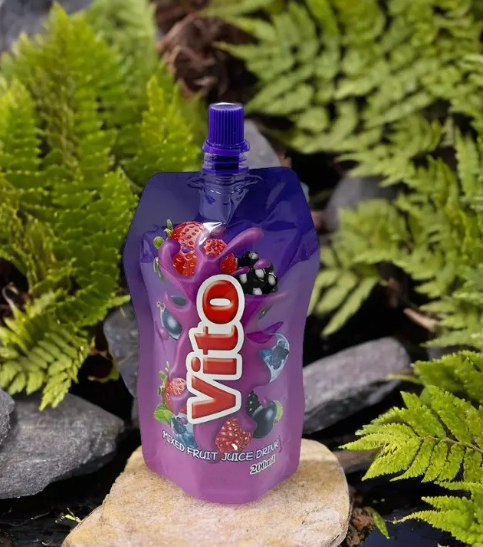
Understanding flexible packaging begins by dismantling its physical architecture. Manufacturers engineer these items using multiple synthetic and natural layers. Every component serves a highly specialized function to keep products safe and accessible.
The flexible body relies on a standard three-tier material architecture. Engineers laminate distinct layers together using high-performance adhesives. This composite structure achieves strength levels impossible for single-layer plastics.
Layer Position | Common Materials | Primary Function |
|---|---|---|
Inner Layer | LLDPE (Linear Low-Density Polyethylene) | Ensures direct food or chemical contact safety and provides internal thermal sealing capabilities. |
Middle Layer | AL (Aluminum), VMPET, PA (Nylon) | Acts as a robust moisture, oxygen, and UV barrier to maximize shelf life. |
Outer Layer | PET, Kraft Paper, BOPP | Delivers structural integrity, puncture resistance, and a smooth surface for high-quality brand printing. |
The base design dictates how the product behaves on retail shelves. Most configurations utilize a W-shaped bottom gusset. This specific fold expands as liquid enters the chamber. It distributes the internal fluid weight evenly across the base footprint.
This drop-stress distribution mechanism prevents ruptures if consumers drop the product. Furthermore, the expanding base provides upright shelf stability. This vertical presentation remains the defining physical feature of Spouted stand up pouches, allowing brands to maximize consumer eye-tracking in crowded supermarket aisles.
The fitment mechanism presents the most complex engineering challenge. You must successfully merge a rigid plastic spout onto a highly flexible film body. This convergence occurs at the weld zone. Specialized heat-sealing machinery melts the inner pouch layer directly onto the grooved edges of the rigid spout.
Best Practice: Engineers must guarantee absolute seal integrity here. If the weld zone is too brittle, the bag cracks under external pressure. If it lacks sufficient heat bonding, micro-leaks develop during transport. Proper material selection ensures the seal flexes safely under physical stress.
Swapping rigid bottles for flexible alternatives drastically alters the financial math of a supply chain. True return on investment extends far beyond the per-unit material cost. It influences logistics, warehousing, and end-consumer behaviors.
Flexible packaging revolutionizes freight efficiency. Manufacturers ship flat pouches before filling operations occur. Empty rigid plastic bottles ship essentially as encapsulated air. They consume massive amounts of trailer volume.
Consider the logistical contrast. A single truckload carrying flat flexible packages often transports the equivalent container volume of up to 25 truckloads of empty rigid glass or plastic jars. You immediately slash inbound freight costs and dramatically reduce the warehouse footprint required to store empty packaging.
Sustainability metrics strongly favor flexible architectures. The industry baseline reveals massive weight savings. Flexible packaging reduces overall plastic usage by up to 65% per unit compared to equivalent rigid counterparts. A glass jar holding 16 ounces of pasta sauce weighs significantly more than a flexible pouch holding the exact same volume. This 60–80% overall weight reduction translates directly into lower outbound shipping costs and reduced carbon emissions.
Product evacuation rates measure how much content consumers can extract before throwing the package away. Rigid bottles trap thick liquids along their interior walls. Consumers routinely throw away 10–15% of heavy lotions or thick condiments because they cannot scrape the bottom.
The pliable nature of flexible films allows near-total product evacuation. Users simply squeeze the material flat. This mechanical advantage reduces food and chemical waste. It provides a crucial consumer value proposition. High evacuation rates also improve corporate Environmental, Social, and Governance (ESG) metrics by keeping usable products out of landfills.
You cannot blindly select hardware components. Integrating the wrong fitment ruins the user experience and damages brand reputation. Procurement teams must match physical hardware precisely to product characteristics.
Where you place the fitment changes how consumers interact with the product. Two distinct placement strategies dominate the market.
Top-Center Spouts: Manufacturers place these directly in the middle of the upper seal. They work best for small, single-use, or highly symmetrical formats. Think of 4-ounce applesauce snacks or travel-sized shampoo packets.
Top-Corner (Side) Spouts: Engineers install these at a 45-degree angle on the upper edge. They are ideal for medium-to-large capacities ranging from 8 to 16 ounces and above. Corner placement intuitively shifts the center of gravity. It offers superior pour control for the end-user when dispensing heavier volumes like motor oil or bulk liquid soaps.
The internal diameter of the fitment must accommodate the fluid's thickness. Misjudging this parameter causes frustrating clogs or dangerous over-pouring.
Product Viscosity Category | Recommended Internal Diameter | Common Real-World Examples |
|---|---|---|
Thin Liquids & Gels | 7mm – 10mm | Water, clear juices, energy gels, thin chemical solvents. |
Smoothies & Thick Sauces | 12mm – 16mm | Ketchup, mayonnaise, pureed baby foods, heavy body lotions. |
Particulates & Bulk Powders | 20mm – 30mm+ | Chia seed beverages, chunky salsa, protein powders, bath salts. |
Securing the payload requires specialized cap designs tailored to regulatory standards and convenience.
Anti-Choke Caps: These feature wide, oversized flanges. They serve as a mandatory safety standard for purees and baby foods. The oversized design prevents infants from swallowing the cap.
Tamper-Evident Rings: These leave a disconnected plastic ring on the neck after the initial opening. They are absolutely necessary for retail beverages and personal care items to guarantee safety.
Dispensing Variations: Functional alternatives exist for specialized use cases. Flip caps allow one-handed use for sports drinks. Disc caps enable precise squeezing for aggressive liquid detergents.
Brands face intense consumer pressure to adopt eco-friendly packaging. However, transitioning away from traditional plastics involves complex engineering trade-offs regarding barrier performance.
We must transparently address a historical drawback. Traditional pouches combine aluminum foil, nylon, and polyethylene. These distinct layers fuse permanently during lamination. Municipal recycling facilities cannot separate foil from nylon efficiently. This renders multi-material composites virtually unrecyclable in standard single-stream systems. They almost always end up in landfills or incinerators.
Material science companies now offer innovative alternatives to solve the end-of-life recycling dilemma.
Mono-Material Structures
Engineers have developed laminates using only distinct variants of Polyethylene (PE/PE). Because the entire pouch consists of one base polymer family, it achieves up to 99% recyclability at store drop-off locations. However, a trade-off exists. Mono-materials currently offer slight reductions in extreme barrier properties. They may slightly shorten the maximum shelf life for highly sensitive products like roasted coffee beans.
Post-Consumer Recycled (PCR) & Plant-Based (Bio) Films
Some films incorporate recycled plastics or plant-derived polymers. These assess favorably for non-food applications like household cleaners. However, FDA-compliant food contact limitations often restrict PCR usage for direct consumable packaging. Contamination risks remain too high for sensitive food products unless you utilize a virgin inner barrier layer.
Moving a product onto a flexible filling line introduces unique failure points. Packaging teams frequently stumble over identical engineering hurdles. Carefully review these common mistakes before ordering production runs.
Ignoring Thermal Processing Requirements
Mismatching your film structure to your factory production method creates catastrophic failure risks. Cold fill processes demand very little thermal resilience. Hot fill applications require films that resist warping under moderate heat. Retort and High-Pressure Processing (HPP) subjects packaging to extreme heat and pressure sterilization. Not all adhesives survive retort sterilization. If you use standard cold-fill adhesives during a retort process, the bag simply delaminates and falls apart inside the pressure chamber.
Miscalculating Headspace
Engineers refer to the empty air inside a sealed package as headspace. Failing to leave adequate headspace causes pouches to burst during transit. If you fill a bag to 100% capacity, it possesses no room to expand. Altitude changes during air freight or mountainous trucking routes cause the internal liquid to expand. Physical compression from heavy pallets also squashes the bags.
Best Practice: Always follow the "3–8% Rule". Leave exactly 3% to 8% volume redundancy empty inside the chamber to absorb expansion shocks.
Compromising the Seal Zone
Graphic designers frequently push artwork to the absolute edges of the dieline. This creates a severe design error. Placing ink, varnishes, or metallic finishes inside the thermal seal area degrades the overall weld strength. Heat sealing machinery struggles to melt plastic through layers of chemical ink. This oversight inevitably causes microscopic gaps. Micro-leaks will ruin an entire production batch. Always keep the seal zone totally clear of aesthetic printing.
Manual vs. Automated Sealing Friction
Pilot programs or small batch runs often lack automated capping machinery. Workers must screw tamper-evident caps down by hand. Tamper-evident mechanisms require significant rotational torque to seat properly. Manual application of hundreds of caps quickly causes severe operator hand fatigue and repetitive strain injuries.
Real-world rollout note: A simple operational workaround saves time and hands. Equip workers with soft jaw pliers. They can grip the cap safely and twist until the audible "click" confirms the tamper-ring has successfully locked onto the fitment.
Transitioning to flexible liquid packaging is a complex engineering integration task. It requires much more effort than a simple procurement swap. You must align your material architecture, your thermal processing methods, and your physical hardware selections to achieve success. When executed correctly, the operational savings and ESG improvements easily justify the initial engineering hurdles.
We advise packaging and product teams to gather specific data before initiating vendor conversations. Clearly define your product viscosity, your exact fill temperature, and your target shelf life. Presenting these exact parameters upfront ensures suppliers provide accurate film samples and functional prototypes immediately. Taking these actionable steps eliminates guesswork and accelerates your successful market launch.
A: Standard foil-lined packaging cannot safely enter a microwave, as aluminum sparks and causes fires. However, clear, microwave-safe retort films do exist. Despite this, consumers should generally transfer contents into a separate microwave-safe bowl or strictly rely on the specific manufacturer guidelines printed on the back panel.
A: Set realistic expectations when planning production. Fully custom printed laminates typically require an MOQ of 10,000+ units due to the setup costs of lamination and rotogravure printing. However, stock unprinted options exist in much smaller quantities for pilot testing and small-batch filling.
A: Factories employ two primary methods. The first method fills liquid directly through the rigid fitment. This requires specialized narrow-nozzle filling equipment. The second method fills liquid through an open top or bottom void before machinery applies a final heat seal to enclose the chamber.


