Introduction
Coffee is one of the most consumed beverages worldwide. In today’s competitive market, Coffee Packaging is no longer just a protective container. It helps preserve freshness, communicate brand identity, and influence purchasing decisions. Many consumers judge product quality by packaging before tasting the coffee. Well-designed Coffee Packaging must balance protection, convenience, and visual appeal. In this article, you will learn how to design Coffee Packaging that protects flavor, strengthens brand recognition, and attracts customers on both retail shelves and online platforms.
Core Principles of Effective Coffee Packaging Design
Preserving Freshness Through Smart Coffee Packaging Design
Freshness protection is the foundation of successful Coffee Packaging. Coffee beans release carbon dioxide after roasting, and exposure to oxygen can quickly degrade flavor and aroma. To maintain quality, packaging should include one-way degassing valves that allow gas to escape while preventing air from entering. Airtight seals and moisture barriers further help preserve the beans’ oils and aromatic compounds. High-barrier materials also prevent oxidation and maintain flavor consistency during storage and transportation. When packaging protects freshness effectively, customers experience the same rich flavor every time they brew the coffee.
Creating Strong Shelf Impact with Coffee Packaging
Retail shelves are crowded with coffee brands competing for attention. Strong Coffee Packaging design helps a product stand out instantly. Color choices, typography, and layout all contribute to visual recognition. Many successful brands use bold colors or minimalist graphics to create a distinctive look. At the same time, the design should remain consistent with the company’s identity so customers can easily recognize the brand across different blends. A visually compelling package attracts curiosity, encourages customers to pick up the product, and increases the likelihood of purchase.
Balancing Functionality and Consumer Convenience
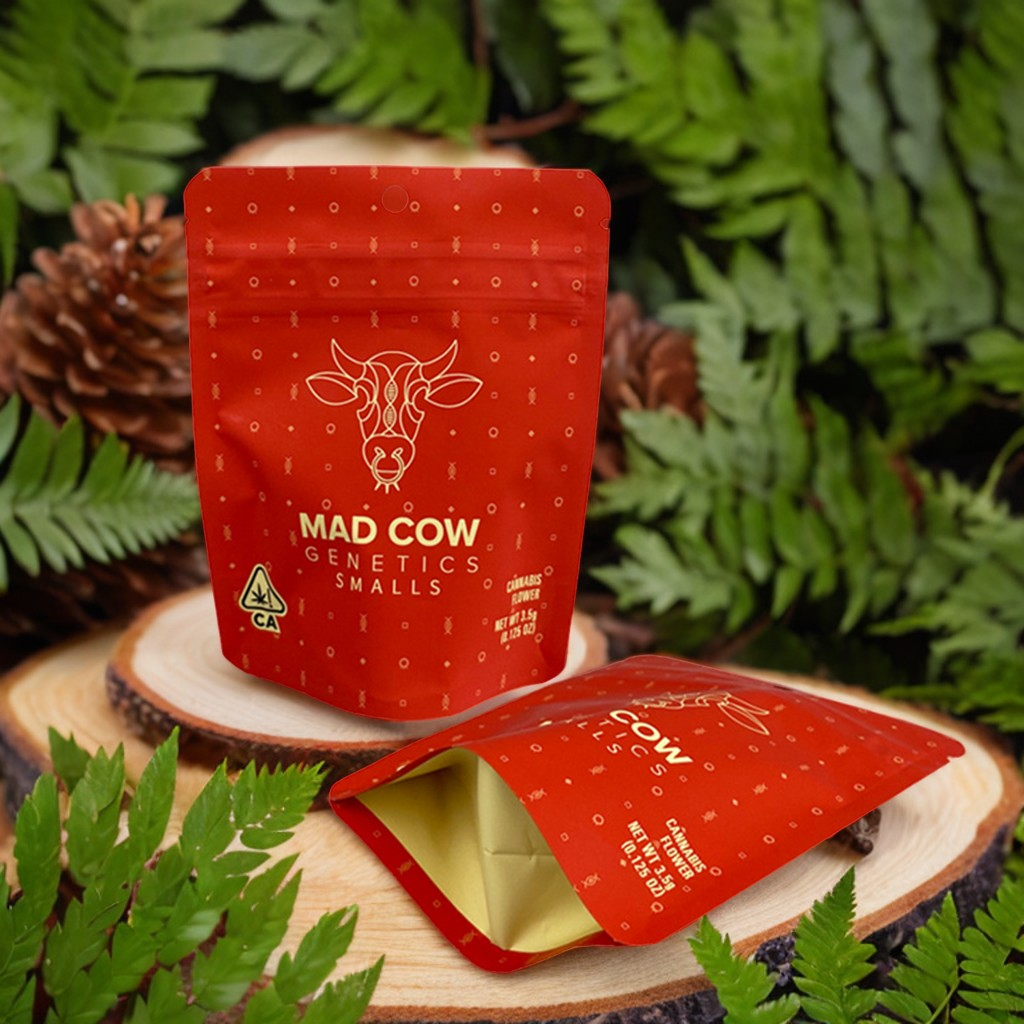
Modern Coffee Packaging must also prioritize convenience. Consumers prefer packages that are easy to open, reseal, and store. Resealable zippers or tin-tie closures help maintain freshness after the bag is opened. Easy-tear notches allow customers to access the coffee quickly without scissors. Packaging shape also affects usability; stand-up pouches and block-bottom bags remain stable on kitchen counters. When packaging supports daily use, customers associate the brand with practicality and quality, which encourages repeat purchases.
Choosing the Right Coffee Packaging Structure
Stand-Up Pouches for Modern Coffee Packaging
Stand-up pouches are widely used in modern Coffee Packaging because they combine strong shelf visibility with flexible structure and efficient barrier protection. Their flat base allows stable retail display, while multilayer materials help maintain coffee freshness. The following breakdown highlights the key specifications, structural elements, and technical parameters commonly used in stand-up pouch coffee packaging.
| Category | Specification / Parameter | Typical Range or Standard | Application Guidance | Key Considerations |
| Typical Capacity | Retail coffee packaging volume | 100 g – 1 kg (3.5 oz – 2.2 lb) | Most specialty coffee bags fall between 227 g and 340 g (8–12 oz) | Select size according to bean density and roast level |
| Typical Bag Dimensions | Height × Width × Bottom gusset | 130–260 mm (H), 100–170 mm (W), 50–90 mm (Gusset) | Wider gussets improve shelf stability | Oversized bags create excess oxygen headspace |
| Packaging Structure | Doypack / Stand-up pouch | Flat base with bottom gusset | Common for retail and specialty coffee | Provides stable upright display |
| Material Structure | Multilayer laminated film | PET / VMPET / PE or PET / AL / PE | Balances print quality and barrier performance | Foil layer improves light protection |
| Typical Film Thickness | Total laminate thickness | 80–140 μm | Higher thickness improves durability | Heavy beans require stronger films |
| Oxygen Transmission Rate (OTR) | Oxygen barrier performance | ≤ 10 cc/m²/day (high barrier) | Important for preserving roasted coffee aroma | Lower OTR extends shelf life |
| Moisture Vapor Transmission Rate (MVTR) | Moisture barrier performance | ≤ 5 g/m²/day | Protects coffee oils and prevents staling | Essential for humid climates |
| Degassing Valve | One-way valve diameter | 8–12 mm typical | Releases CO₂ produced after roasting | Prevents bag swelling or rupture |
| Zipper Closure | Resealable zipper width | 8–12 mm sealing track | Allows consumers to reseal after opening | Improves product freshness retention |
| Tear Notch Position | Opening guide for consumers | Typically 8–12 mm below zipper | Enables easy opening without tools | Must align with seal layer strength |
| Printing Surface | Printable area | Up to 90% of pouch exterior | Allows strong brand visibility | Matte or gloss finishes common |
| Shelf Stability | Bottom gusset width | 40–90 mm typical | Wider base improves retail presentation | Important for supermarket displays |
| Filling Method | Packaging process | Pre-made pouch filling machines | Common speeds: 20–60 bags/min | Requires accurate weight control |
| Typical Shelf Life | Roasted coffee beans | 6–12 months sealed | Depends on barrier properties | Vacuum or nitrogen flushing can extend freshness |
Tip:For freshly roasted beans, combining a one-way degassing valve with a high-barrier laminate (OTR ≤ 10 cc/m²/day) helps maintain flavor stability while preventing internal pressure buildup during storage and transport.
Flat-Bottom and Box Pouches for Premium Coffee Packaging
Flat-bottom pouches, also called box pouches, deliver a premium appearance. Their stable base allows the bag to stand upright without leaning, which improves display quality in retail environments. These pouches also provide multiple panels for printing graphics and product information. Many specialty coffee brands choose this format because it communicates quality and professionalism. In addition, box pouches typically include advanced features such as valves, resealable closures, and durable materials that protect the coffee during shipping and storage.
Pillow Bags and Flexible Packaging for Cost Efficiency
Pillow bags represent a simpler and more economical Coffee Packaging solution. They are commonly used for single-serve coffee products or high-volume distribution. The flat design reduces material costs and allows efficient production using automated form-fill-seal machines. Although pillow bags provide less shelf presence than stand-up formats, they remain practical for bulk sales, institutional markets, or entry-level coffee brands. With the right printing and labeling design, they can still deliver strong branding while keeping packaging costs manageable.
Selecting Materials for High-Performance Coffee Packaging
High-Barrier Materials That Protect Coffee Quality
Material selection directly affects the performance of Coffee Packaging. High-barrier materials such as aluminum foil and metallized films are commonly used because they block oxygen and light effectively. These materials help protect delicate flavor compounds inside the coffee beans. Many packaging designs combine several layers to achieve both strength and protection. For example, foil layers prevent light exposure while plastic layers maintain structural integrity. Together, these materials extend shelf life and keep coffee tasting fresh.
Structural Layers Used in Coffee Packaging Materials
Most Coffee Packaging uses laminated structures made of several functional layers. Each layer plays a specific role in protecting the product. The outer base layer provides a printable surface for branding and graphics. The middle barrier layer blocks moisture, oxygen, and light. The inner sealant layer contacts the coffee directly and ensures strong heat sealing. This layered structure allows manufacturers to combine visual appeal with strong protective performance, making it ideal for food packaging applications.
Matching Coffee Packaging Materials to Product Type
Different coffee products require different packaging materials. Whole bean coffee often requires stronger oxygen barriers because the beans release gas after roasting. Ground coffee may require tighter sealing to maintain aroma. Single-serve capsules and pods typically use specialized films designed for machine compatibility. Choosing the right material ensures that each product type maintains its freshness throughout storage, shipping, and retail display. Matching materials to product requirements helps businesses protect product quality and maintain customer satisfaction.
Designing Coffee Packaging for Brand Identity
Building a Consistent Coffee Packaging Visual System
Consistency is a key element of strong Coffee Packaging design. A unified visual system ensures that all products within a brand family share recognizable elements such as logos, colors, and typography. Even when individual blends use different color variations, customers should still identify them as part of the same brand. Consistency builds familiarity and strengthens brand recognition across retail environments and online platforms. When customers quickly recognize the brand, they are more likely to choose it again.
Communicating Product Story Through Coffee Packaging
Coffee Packaging also serves as a communication platform. Many specialty coffee brands use the packaging surface to share information about origin, roast level, and flavor notes. Certifications such as organic, fair trade, or rainforest alliance often appear on labels to highlight quality and ethical sourcing. This information helps consumers understand the value of the product. When packaging tells a clear story about the coffee’s origin and production process, it creates trust and emotional connection with customers.
Using Layout and Finishes to Elevate Perceived Value
Design finishes and layout choices can significantly influence how customers perceive a coffee product. Matte finishes often convey sophistication and premium quality, while glossy surfaces can create a vibrant and energetic appearance. Embossing, foil stamping, or textured materials can further enhance visual impact. Thoughtful layout ensures that essential information such as roast level and flavor profile remains easy to read. By combining clear layout with refined finishing techniques, Coffee Packaging can communicate both professionalism and quality.
Designing Coffee Packaging for Sustainability
Eco-Friendly Materials in Modern Coffee Packaging
Sustainability has become an important factor in Coffee Packaging design. Many consumers prefer products packaged with recyclable, compostable, or biodegradable materials. Brands are increasingly exploring mono-material films, recycled plastics, and plant-based materials to reduce environmental impact. These solutions help companies align with global sustainability goals while still maintaining product protection. When packaging reflects environmental responsibility, it strengthens brand credibility among environmentally conscious consumers.
Sustainable Coffee Packaging Design Strategies
Sustainable design involves more than just material selection. Packaging structure and size also influence environmental impact. Reducing unnecessary material use lowers production waste and shipping weight. Designers can also create packaging formats that are easier to recycle by avoiding complex mixed materials. These strategies help brands reduce their environmental footprint while maintaining strong performance and visual appeal.
Communicating Sustainability Through Packaging Design
Sustainability efforts should also be clearly communicated on Coffee Packaging. Labels that highlight recyclable materials or responsible sourcing help consumers make informed purchasing decisions. Environmental certifications and clear recycling instructions add transparency to the product. Many brands also include QR codes linking to sustainability reports or sourcing stories. When packaging communicates environmental commitment clearly, it builds trust and encourages long-term customer loyalty.
Optimizing Coffee Packaging for Retail and E-Commerce
Designing Coffee Packaging for Retail Shelf Display
Retail shelf design should consider both visual hierarchy and packaging stability. Studies in retail merchandising show that products positioned at eye level receive the highest attention, so Coffee Packaging should prioritize strong front-panel branding and clear product information. High-contrast colors and readable typography improve recognition from a distance of 1–2 meters. Structural formats such as flat-bottom or stand-up pouches help maintain upright stability during handling. Designers should also ensure sufficient front-panel space for roast level, origin, and net weight, allowing customers to quickly compare products and make purchasing decisions.
Coffee Packaging That Enhances Unboxing Experiences
E-commerce packaging must balance protection, presentation, and brand storytelling. Durable outer cartons with corrugated board strength around 32 ECT are commonly used to prevent deformation during shipping. Inside the box, paper cushioning or molded inserts stabilize the Coffee Packaging and reduce movement during transport. Many brands also add printed interior graphics or small brand messages to create a memorable experience. Including brewing tips, origin stories, or QR codes linking to brewing guides can further engage customers and extend the brand interaction beyond the initial purchase.
Packaging Size and Format for Different Sales Channels
Coffee products are distributed through different channels, and each channel requires specific packaging sizes and structural characteristics. Factors such as net weight, packaging strength, barrier performance, and gas release capability directly affect product freshness, transportation stability, and retail presentation. The following table summarizes common Coffee Packaging formats used across major sales channels, along with their technical specifications and application considerations.
| Sales Channel | Typical Net Weight | Typical Bag Dimensions (Approx.) | Common Packaging Structure | Typical Material Structure | Key Functional Features | Application Scenarios | Technical Considerations |
| Sample / Promotional Packs | 50–100 g (1.7–3.5 oz) | 90 × 140 mm – 110 × 170 mm | Pillow pouch or small stand-up pouch | PET / VMPET / PE laminate | Heat seal, tear notch | Product samples, subscription kits, promotional giveaways | Smaller packs reduce oxygen headspace; barrier films typically target OTR ≤ 50 cc/m²/day |
| Specialty Retail Coffee | 227–340 g (8–12 oz) | 130 × 210 mm – 150 × 240 mm | Stand-up pouch or flat-bottom bag | PET / AL / PE or PET / VMPET / PE | One-way degassing valve, resealable zipper | Specialty cafés, supermarkets, online coffee shops | Degassing valves release CO₂ after roasting; typical valve activation pressure 3–5 kPa |
| Standard Retail Coffee | 340–454 g (12–16 oz) | 150 × 240 mm – 170 × 260 mm | Flat-bottom pouch or quad seal bag | BOPP / VMPET / PE laminate | Valve, zipper or tin-tie closure | Grocery retail and mainstream coffee brands | Barrier materials often target OTR ≤ 10 cc/m²/day to preserve aroma and oils |
| Café / Food Service Supply | 1–2 kg (2.2–4.4 lb) | 200 × 320 mm – 240 × 360 mm | Quad seal or large flat-bottom pouch | PET / AL / PE laminate | Degassing valve, heavy heat seal | Coffee shops, restaurants, small roasters | Stronger structure needed; burst strength often > 300 kPa |
| Wholesale / Roastery Bulk | 2–5 kg (4.4–11 lb) | 260 × 400 mm – 300 × 450 mm | Large gusseted bag or reinforced quad seal | PET / AL / PE or paper / AL / PE | Degassing valve, reinforced seams | Roasters, distributors, bulk supply chains | Film thickness typically 100–140 μm to support heavy loads |
| E-commerce Retail Packs | 227–454 g (8–16 oz) | Similar to retail bags but optimized for shipping | Stand-up pouch or flat-bottom pouch | PET / VMPET / PE laminate | Valve, zipper, strong heat seal | Online direct-to-consumer coffee sales | Shipping cartons often tested at ≥ 32 ECT (Edge Crush Test) for transport durability |
Tip:Freshly roasted coffee releases carbon dioxide for several days after roasting. Packaging with a one-way degassing valve allows CO₂ to escape while preventing oxygen from entering, which helps maintain flavor stability during storage and distribution.
Conclusion
Effective Coffee Packaging blends freshness protection, smart structure, and strong brand design. High-barrier materials, functional features, and clear visual identity help products stand out while preserving flavor. Sustainable materials and well-planned sizes further improve retail and e-commerce performance. Qingdao Colorful Printing Packaging Co., Ltd. provides professional Coffee Packaging solutions with reliable materials, precise printing, and flexible customization, helping coffee brands enhance shelf appeal, protect product quality, and deliver lasting value to customers.
FAQ
Q: What is Coffee Packaging design?
A: Coffee Packaging design protects beans and shows brand identity.
Q: How does Coffee Packaging keep coffee fresh?
A: Coffee Packaging uses valves and barrier films to block air.
Q: Why is Coffee Packaging important for branding?
A: Coffee Packaging shows origin, roast level, and brand style.
Q: What materials are used in Coffee Packaging?
A: Coffee Packaging often uses foil, PET, and laminated films.
Q: How much does Coffee Packaging cost?
A: Coffee Packaging cost depends on size, material, and printing.
Q: What pouch style works best for Coffee Packaging?
A: Stand-up pouches are common for modern Coffee Packaging.


