Introduction
Coffee shelves are crowded today. Thousands of brands compete for attention in stores and online. In this environment, Coffee Packaging often decides which product customers notice first. It protects freshness, communicates quality, and shapes brand perception. Modern buyers also care about sustainability and clear product information. In this guide, you will learn how to choose the best Coffee Packaging by evaluating materials, structure, functionality, and design, helping your coffee maintain flavor while building a strong and recognizable brand.
The Core Criteria for Choosing the Best Coffee Packaging
Prioritize Freshness Protection in Coffee Packaging
Freshness is the most important factor in Coffee Packaging. Coffee beans begin to lose aroma soon after roasting. Oxygen, moisture, and light accelerate this process. Good packaging creates a protective barrier against these elements. When oxygen enters the package, oils oxidize and flavor becomes dull. Moisture introduces spoilage risks, while light breaks down delicate aromatic compounds. Effective Coffee Packaging reduces these risks by sealing the product from environmental exposure. High-quality bags maintain a stable internal atmosphere and slow oxidation. This allows coffee to keep its flavor profile for a longer period. Roasters who prioritize freshness protection ensure customers experience the intended taste of the beans.
Evaluate Barrier Materials and Packaging Structure
The material structure of Coffee Packaging directly affects shelf life and product stability. Packaging often uses multilayer laminates that combine strength and barrier performance. These structures may include polyester layers for durability, aluminum or metallized layers for light protection, and polyethylene layers for airtight sealing. Such combinations create a controlled barrier that blocks oxygen and moisture while preserving aroma. These materials also provide strong print surfaces for branding and product information. By selecting packaging structures with effective barrier properties, coffee brands maintain product quality while supporting visual presentation.
Ensure Practical Features That Improve Usability
Modern Coffee Packaging must also be easy for customers to use. Functional features improve the overall consumer experience. Resealable closures help maintain freshness after opening. Degassing valves release carbon dioxide produced by freshly roasted beans. This allows roasters to package coffee quickly after roasting without damaging the bag.
Convenience features also influence purchasing decisions. Customers appreciate packaging that opens easily and reseals securely. When usability is combined with freshness protection, the packaging becomes both functional and customer friendly.
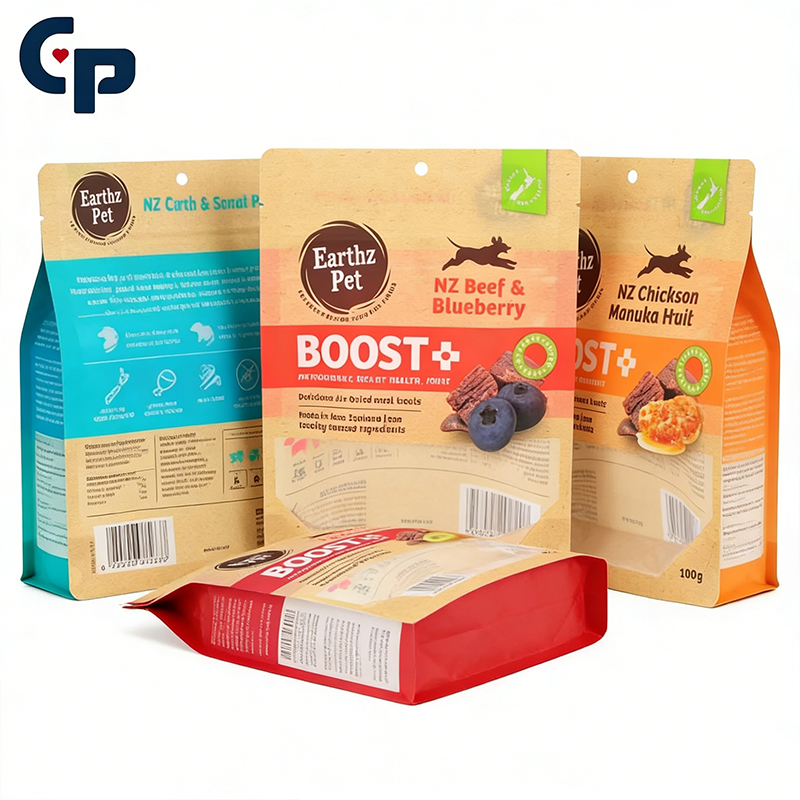
Selecting the Right Coffee Packaging Materials
Aluminum and Metallized Films for Maximum Protection
Aluminum foil and metallized films are widely used in Coffee Packaging because they offer excellent barrier properties. These materials block light completely and prevent oxygen and moisture from entering the package. As a result, they significantly extend the shelf life of roasted coffee. Metallized films also provide flexibility and strength. They protect beans during transportation and storage while maintaining product freshness. Many specialty coffee brands choose these materials because they balance protection and packaging efficiency.
Multi-Layer Laminated Coffee Packaging Structures
Most high-performance Coffee Packaging uses multi-layer laminated structures. These materials combine several layers to achieve different functions. The outer layer often provides strength and printability. The middle layer creates a barrier against oxygen and light. The inner layer ensures reliable heat sealing. This layered design improves packaging durability and maintains product quality during distribution. Laminated structures also allow brands to customize packaging for different products, such as whole beans, ground coffee, or single-serve formats.
Paper-Based Coffee Packaging for Sustainable Branding
Paper-based Coffee Packaging has become a popular solution for brands seeking sustainable materials without sacrificing product protection. In practice, paper structures usually combine kraft paper with barrier films or coatings to ensure durability, moisture resistance, and oxygen protection.
| Category | Material / Structure | Typical Technical Specifications | Common Applications | Advantages | Key Considerations |
| Outer Layer (Paper Substrate) | Kraft Paper (bleached or natural) | Basis weight: 60–120 g/m²; Tensile strength: ~4–6 kN/m; Thickness: 70–150 μm | Coffee bags, stand-up pouches, side gusset bags | Natural appearance, strong printability, biodegradable perception | Paper alone cannot block oxygen or moisture; must combine with barrier layers |
| Barrier Layer | Aluminum Foil | Thickness: 6–12 μm; Oxygen Transmission Rate (OTR): ~0 cm³/m²/day; Water Vapor Transmission Rate (WVTR): ~0 g/m²/day | High-barrier coffee bags for roasted beans | Excellent oxygen, moisture, and light protection | Difficult to recycle when laminated with multiple materials |
| Barrier Layer | Metallized PET (VMPET) | Thickness: 12–23 μm; OTR: <3 cm³/m²/day; WVTR: <3 g/m²/day | Flexible coffee pouches and laminated bags | Strong barrier properties with lower weight than foil | Recycling complexity when used in multi-layer laminates |
| Sealant Layer (Inner Layer) | LDPE / LLDPE | Thickness: 30–60 μm; Heat seal temp: 110–140°C; WVTR: ~0.5–1 g/m²/day | Inner food-contact layer of coffee bags | Good sealing performance and food safety | Petroleum-based material; affects recyclability |
| Bio-based Barrier Layer | PLA (Polylactic Acid) | Thickness: 25–50 μm; OTR: ~500–700 cm³/m²/day; Compostable under industrial conditions | Eco-friendly coffee packaging structures | Renewable resource, compostable potential | Barrier performance lower than aluminum-based materials |
| Coated Paper Barrier | Water-based barrier coating | OTR: 100–300 cm³/m²/day; WVTR: 20–40 g/m²/day depending on coating thickness | Mono-material paper coffee packaging | Improves recyclability while maintaining paper structure | Moderate barrier performance compared to multilayer laminates |
| Printing Surface | Paper + flexographic or gravure printing | Print resolution: up to 150–300 dpi; Ink coverage varies by design | Brand storytelling, product labeling | Excellent graphic quality and matte natural finish | Must use food-safe inks and coatings |
| Structural Format | Paper-based stand-up pouch | Typical capacity: 250 g – 1 kg; Bag thickness: 120–200 μm laminated structure | Specialty coffee retail packaging | Stable display and strong shelf presence | Requires internal barrier layer for long shelf life |
Tip:When selecting paper-based Coffee Packaging, combine kraft paper with appropriate barrier films to balance sustainability and freshness protection. Pure paper structures improve recyclability but may require additional coatings to maintain shelf life.
Choosing the Best Coffee Packaging Format
Stand-Up Pouches for Retail Visibility
Stand-up pouches are one of the most popular Coffee Packaging formats. Their flat bottom allows them to stand upright on shelves, improving product visibility in retail environments. This format also offers a large surface area for branding graphics and product information. Many coffee brands choose stand-up pouches because they combine strong shelf presence with practical storage. They are easy for consumers to handle, reseal, and store at home.
Side Gusset Bags for Traditional Coffee Packaging
Side gusset bags represent a classic Coffee Packaging design. They expand along the sides, creating extra internal volume while maintaining a compact shape. This format is commonly used for larger coffee quantities such as one-pound bags. Side gusset bags are efficient for packaging lines and easy to stack in retail displays. Many established coffee brands continue to use this format because of its reliability and familiarity among consumers.
Flat Bottom Bags for Premium Coffee Packaging
Flat bottom bags offer a premium Coffee Packaging solution. Their box-style base provides excellent stability and a clean appearance on store shelves. This structure allows brands to use multiple printable panels for logos, artwork, and product details. The design also enhances the perception of quality and sophistication. Premium specialty coffee brands often select flat bottom bags to reinforce a high-end brand image.
Coffee Packaging Features That Preserve Freshness
One-Way Degassing Valves
Degassing valves are engineered to release carbon dioxide while blocking oxygen ingress. Fresh roasted coffee can release several liters of CO₂ per kilogram during the first few days after roasting. Without a valve, internal pressure may distort the bag and compromise seals. Most valves use a small silicone or rubber diaphragm that opens when pressure builds inside the package. This system stabilizes internal conditions and helps preserve volatile aromatic compounds that define coffee flavor.
Resealable Zippers and Closure Systems
Resealable zipper systems are designed to minimize oxygen exposure after the package is opened. High-quality zippers typically use interlocking polyethylene tracks that maintain a tight seal across the bag opening. In coffee packaging, zipper widths often range from 8–15 mm to ensure durability through repeated use. Many designs also include easy-tear notches and tamper-evident seals. These structural elements improve convenience while maintaining freshness and protecting the product during everyday storage.
Airtight Sealing and Oxygen Barrier Technologies
Airtight sealing in Coffee Packaging is usually achieved through heat-sealing systems that fuse inner sealant layers such as LDPE or LLDPE. Typical sealing temperatures range from 120–180°C depending on film structure. Oxygen barrier layers, including aluminum foil or EVOH coatings, significantly reduce oxygen transmission rates. When combined with proper sealing parameters and consistent seal width, these technologies maintain internal freshness and protect coffee quality throughout transportation and retail storage.
Designing Coffee Packaging for Brand Identity and Shelf Appeal
Visual Design That Reflects Brand Personality
Effective visual design relies on consistent brand systems. Many coffee brands develop fixed color palettes, type hierarchies, and layout grids to maintain recognition across multiple products. Matte finishes often reduce glare under retail lighting, while spot UV or metallic inks highlight logos and key graphics. Designers also consider shelf distance visibility, ensuring brand names remain readable at 1–2 meters. Consistent visual cues help customers quickly identify a brand and reinforce perceived quality.
Communicating Coffee Information Clearly
Clear information structure improves customer understanding and purchase confidence. Many specialty coffee brands organize packaging labels using a hierarchy: origin at the top, roast level in the center, and tasting notes below. Roast dates are typically printed in large, easy-to-read fonts to emphasize freshness. Some brands also include brewing suggestions or grind size icons. Standardized label structures make Coffee Packaging easier to read and help consumers compare different coffees quickly.
Packaging as a Brand Storytelling Tool
Modern Coffee Packaging increasingly integrates storytelling elements that deepen brand engagement. Short narratives about farms, growers, and processing methods create transparency and authenticity. Many brands now include QR codes linking to videos, sourcing reports, or brewing guides. This connects physical packaging with digital content and strengthens consumer trust. When packaging highlights ethical sourcing, farmer partnerships, or sustainability practices, it turns the product into a story-driven experience rather than just a commodity.
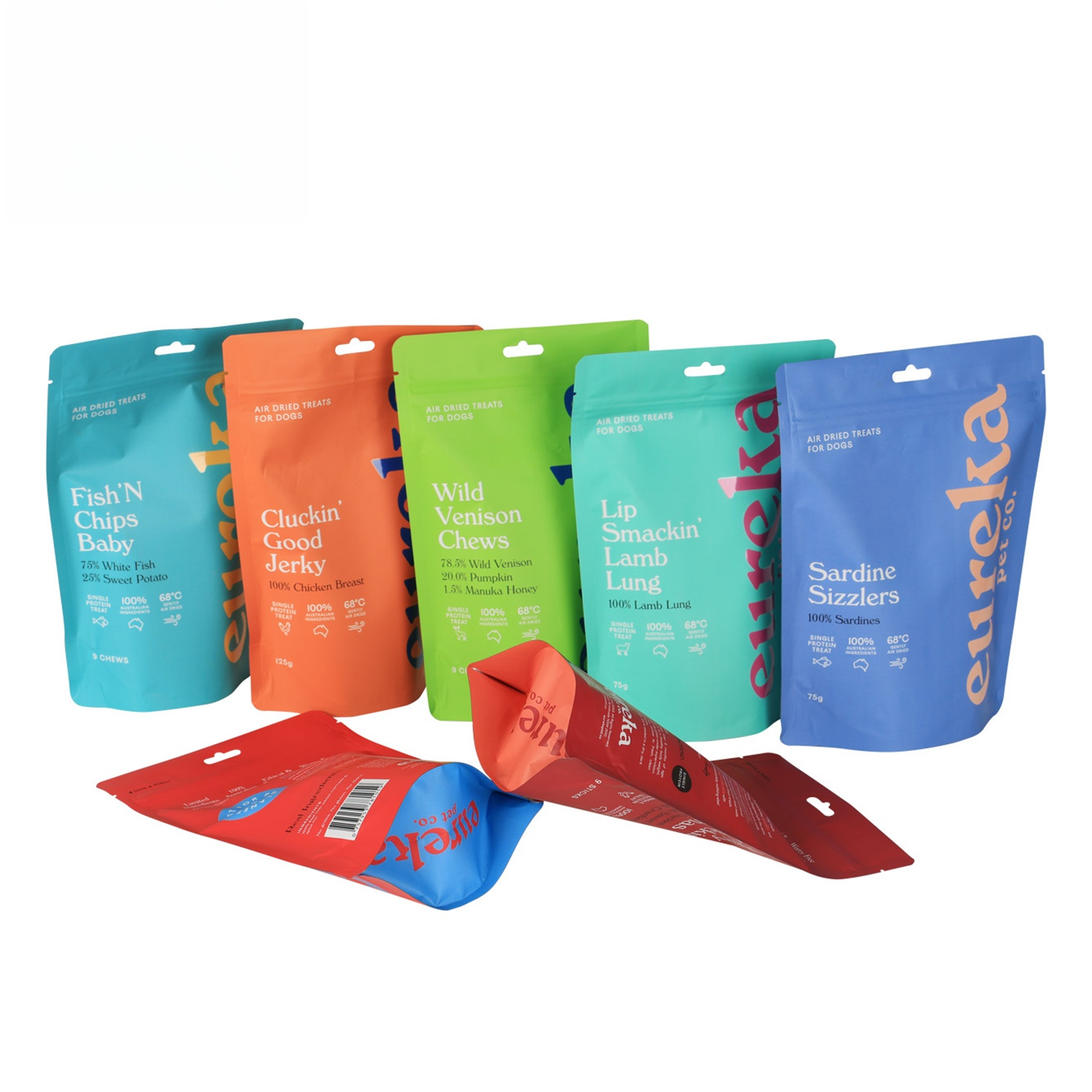
Sustainable Coffee Packaging Options for Modern Brands
Recyclable and Compostable Coffee Packaging Materials
Sustainable Coffee Packaging often relies on materials designed for recyclability or compostability while still protecting coffee quality. Manufacturers balance barrier performance, food safety, and environmental impact by selecting specific polymers, coatings, and structural formats.
| Category | Material Type | Typical Technical Specifications | Recycling / Composting Standard | Common Applications in Coffee Packaging | Advantages | Key Considerations |
| Mono-Material Recyclable Film | Polyethylene (PE) | Thickness: 70–120 μm; OTR: 1500–2000 cm³/m²/day; WVTR: 8–15 g/m²/day | Recyclable in LDPE stream (#4 plastic) | Recyclable stand-up pouches, coffee bean bags | Easy recycling in plastic streams, good sealing performance | Lower oxygen barrier than multilayer laminates |
| Mono-Material Recyclable Film | Polypropylene (PP / BOPP) | Thickness: 20–40 μm; OTR: 1500–2500 cm³/m²/day; WVTR: 6–10 g/m²/day | Recyclable in PP stream (#5 plastic) | Coffee overwrap films, pouch layers | High stiffness, good clarity, good heat resistance | Requires coating or metallization for barrier performance |
| Recyclable Barrier Film | EVOH-coated PE | EVOH layer thickness: 3–10 μm; OTR: <10 cm³/m²/day; WVTR: 3–5 g/m²/day | Recyclable in PE stream when EVOH <5% | High-barrier recyclable coffee bags | Excellent oxygen barrier with recyclability | Sensitive to moisture; requires multilayer design |
| Compostable Bioplastic | PLA (Polylactic Acid) | Thickness: 25–50 μm; OTR: ~500–700 cm³/m²/day; WVTR: 20–30 g/m²/day | EN 13432 / ASTM D6400 industrial composting | Compostable coffee bags and single-serve packaging | Made from renewable resources such as corn starch | Requires industrial composting facilities |
| Compostable Film Blend | PLA + PBAT | Thickness: 30–80 μm; OTR: 300–600 cm³/m²/day; WVTR: 15–25 g/m²/day | EN 13432 compostability certification | Flexible compostable coffee pouches | Improved flexibility compared with pure PLA | Limited barrier performance compared to foil |
| Paper-Based Recyclable Structure | Kraft paper + water-based barrier coating | Paper weight: 70–120 g/m²; WVTR: 20–40 g/m²/day | Recyclable in paper streams depending on coating level | Sustainable coffee retail bags | Strong printability and renewable material base | Moderate barrier performance |
| Compostable Cellulose Film | Regenerated cellulose (NatureFlex™ type films) | Thickness: 20–35 μm; OTR: 50–150 cm³/m²/day; WVTR: 10–20 g/m²/day | EN 13432 compostable | Premium compostable coffee pouches | Transparent, compostable, derived from wood pulp | Higher cost than conventional plastic films |
| Sustainable Barrier Coating | Silicon oxide (SiOx) coated film | OTR: <1 cm³/m²/day; WVTR: <1 g/m²/day | Recyclable depending on base polymer | High-barrier recyclable coffee packaging | Excellent barrier without aluminum foil | Requires advanced coating technology |
Tip:For roasted coffee beans, recyclable mono-material PE structures with EVOH barriers often provide the best balance between sustainability and freshness protection.
Bioplastic and PLA Packaging Alternatives
Bioplastics such as PLA offer innovative alternatives to traditional plastics. These materials are derived from renewable resources like corn or sugarcane. They can provide good barrier performance while reducing reliance on fossil fuels. PLA-based Coffee Packaging supports environmental goals while maintaining functional performance. Many specialty brands are exploring these solutions as part of their sustainability strategies.
Note: Bioplastic materials support renewable packaging solutions.
Designing Coffee Packaging for a Circular Economy
Designing Coffee Packaging for a circular economy requires material simplification and lifecycle thinking. Many coffee brands now prioritize mono-material structures such as PE or PP pouches, which can enter existing recycling streams more easily than multilayer laminates. Packaging weight reduction is another key strategy, often lowering material usage by 10–20% while maintaining strength. Brands also integrate clear disposal instructions, digital labels, or QR codes that guide consumers on recycling practices. In addition, refill systems and reusable containers are increasingly used in specialty coffee retail, helping reduce single-use packaging waste while extending the product lifecycle.
Conclusion
Choosing the best Coffee Packaging requires balancing freshness protection, functional design, and sustainable materials. Barrier structures, degassing valves, and airtight seals help preserve aroma and quality, while clear labeling and attractive design improve brand recognition and shelf impact. Eco-friendly materials further strengthen consumer trust. Qingdao Colorful Printing Packaging Co., Ltd. provides advanced Coffee Packaging solutions with reliable barrier performance, flexible customization, and professional production capabilities, helping coffee brands protect product quality and enhance market competitiveness.
FAQ
Q: What is Coffee Packaging?
A: Coffee Packaging protects beans from air, light, and moisture to keep flavor fresh.
Q: How to choose the best Coffee Packaging?
A: Choose Coffee Packaging with strong barriers, valves, and resealable closures.
Q: Why is barrier material important in Coffee Packaging?
A: Coffee Packaging barriers prevent oxygen and moisture damage.
Q: What features keep Coffee Packaging fresh?
A: Degassing valves and zippers improve Coffee Packaging freshness.
Q: Is sustainable Coffee Packaging important?
A: Yes. Sustainable Coffee Packaging reduces waste and builds brand trust.


