
Views: 0 Author: Site Editor Publish Time: 2026-06-22 Origin: Site


Fresh coffee can lose its appeal fast. Aroma fades, bags swell, and shelves get crowded. A flat bottom bag helps coffee brands solve these problems in one pack. In this article, you will learn why valves, zippers, and stable bag structure matter for coffee sales.
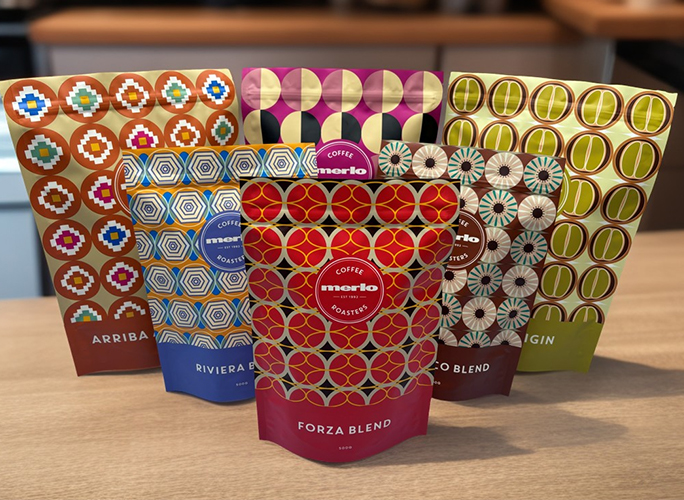
● A flat bottom bag gives coffee brands strong shelf presence because it stands upright and keeps a clean, box-like shape.
● A one-way valve helps freshly roasted coffee release carbon dioxide while limiting outside air exposure.
● A resealable zipper improves daily use, especially for ground coffee and larger whole bean packs.
● High-barrier materials help protect coffee from oxygen, moisture, light, and aroma loss.
● The flat bottom structure offers more printable panels for roast level, origin, tasting notes, storage advice, and brand storytelling.
● Coffee brands choose this format because it combines freshness protection, retail display, storage efficiency, and a premium look.
● The best result comes from testing bag size, valve position, zipper quality, material structure, and filling performance before final production.
Coffee packaging has a hard job. It must protect flavor before the first cup is brewed. It also has to look good on shelves, travel well, and stay useful after opening. A weak bag can make premium coffee feel ordinary.
For roasted coffee, freshness is the first concern. Oxygen, moisture, and light can affect aroma and taste. Whole beans also release carbon dioxide after roasting. If the bag cannot manage gas, it may swell or lose its clean shape.
This is why many coffee brands move beyond simple pillow bags. They need packaging that works as a full system. The flat bottom bag, one-way valve, zipper, and barrier material all support the same goal: keeping coffee attractive, protected, and easy to use.
A coffee bag also carries information. Buyers want to see roast level, origin, grind type, flavor notes, net weight, and storage guidance. A flat bottom bag gives brands more room to organize this information without crowding the front panel.
Freshly roasted coffee keeps releasing carbon dioxide after packing. This natural process is called degassing. If gas has no way to escape, the bag may puff up. It may also look unstable in cartons or on shelves.
A one-way valve helps manage this issue. It lets gas leave the bag while reducing air entry. This is important for whole bean coffee, especially when brands pack coffee soon after roasting. It helps the bag keep a cleaner shape during storage and transport.
The valve also supports freshness control. Coffee aroma is fragile. Once air enters the bag too often, the product can lose its fresh smell faster. A valve cannot replace good barrier material or strong sealing, but it adds an important layer of protection.
Valve placement also matters. It should not cover key artwork. It should not sit where pressure, folding, or carton packing may affect performance. Brands should test filled samples before approving final production.
Tip:Test valve position on real filled bags, not only on flat artwork files.
Most customers do not finish a coffee bag in one day. They open it, scoop coffee, close it, and use it again. A zipper makes this routine easier.
Without a zipper, customers may fold the bag, use a clip, or pour coffee into another container. Each step adds friction. It also increases the chance of poor storage. A built-in zipper keeps the original package useful after the first opening.
For ground coffee, this feature is especially practical. Ground coffee has more surface area, so it can lose aroma quickly when exposed. A zipper helps users close the bag more securely between uses. For whole bean coffee, it also supports cleaner storage and better daily handling.
The zipper also affects brand perception. A smooth zipper feels reliable. A weak zipper feels cheap. If it fails, the whole package feels poorly made, even when the coffee is good. Brands should check zipper strength, opening feel, alignment, and repeated use.
Note:A zipper improves convenience, but it still depends on good sealing and careful storage.
A flat bottom bag stands upright because of its base. This simple feature creates a strong retail advantage. The bag looks neat, stable, and easy to arrange. It does not collapse as easily as softer flexible formats.
The box-like shape also improves space use. Bags can sit more evenly in cartons, display trays, and storage areas. This helps brands manage shipping and retail display more efficiently. It also makes the product look more organized when several bags sit side by side.
Another key benefit is branding space. A flat bottom bag usually gives brands front, back, side, and bottom-facing panels. The front panel can focus on the brand name and coffee type. The side panels can carry origin notes, roast details, brewing tips, or certifications. The back panel can include storage advice and company information.
This structure is useful for specialty coffee. Buyers often compare small details before purchase. They look at roast level, flavor notes, processing method, origin, and brewing suitability. More organized packaging helps them decide faster.
Coffee brands have several packaging choices. Stand-up pouches, quad seal bags, tins, jars, and flat bottom bags can all work in different cases. The right choice depends on coffee type, sales channel, budget, and brand position.
A stand-up pouch is flexible and widely used. It can include a valve and zipper. It usually costs less than some premium structures and works well for many retail products. However, it may not create the same box-like shelf block as a flat bottom bag.
A quad seal bag can look premium and hold shape well. It often works for larger fills or stronger retail formats. A flat bottom bag offers a similar premium direction, but its base gives it a very stable shelf posture and strong front-facing display.
Rigid tins and jars can feel high-end. They may also support gifting. Yet they often increase weight, shipping space, and cost. A flat bottom bag can offer a premium look while staying lighter and more space-efficient.
Format | Best Use | Main Strength | Possible Limit |
Flat bottom bag | Premium retail coffee | Stable display and large print area | Needs careful size testing |
Stand-up pouch | Flexible retail lines | Practical and cost-efficient | Less box-like on shelf |
Quad seal bag | Larger or premium packs | Strong structure | May need higher material use |
Tin or jar | Gift or luxury coffee | Rigid premium feel | Higher shipping weight |
For many coffee brands, the flat bottom bag sits in a useful middle position. It looks premium, protects well, and remains practical for shipping and storage.
Coffee is a sensory product, but buyers judge the pack first. Before they smell or taste it, they read the bag. They decide whether it feels fresh, trustworthy, and worth the price.
A flat bottom bag gives brands a strong front panel. This area should carry the main message clearly. The logo, coffee name, roast level, and flavor cue should be easy to understand. Too much text can weaken the design.
The side panels can do more detailed work. They can explain origin, tasting notes, grind type, brew method, or storage advice. This helps keep the front clean while giving serious coffee buyers more useful information.
The back panel can build trust. It can include roast date area, best-before date, storage guidance, net weight, and company details. Clear information makes the product feel more professional.
Finishes also shape perception. A matte surface can feel modern and calm. A kraft paper look can suggest natural quality. Gloss or metallic accents can help premium lines stand out. The finish should match the coffee’s price point and target buyer.
Tip:Use the front panel for fast recognition and side panels for deeper product details.
A flat bottom bag works best when the specifications match the coffee. Size is one of the first decisions. A 250g bag, 340g bag, 500g bag, or larger pack may all need different width, depth, and height. Coffee density also matters. Whole beans and ground coffee may fill the same bag differently.
Material choice is just as important. Coffee needs protection from oxygen, moisture, and light. Brands often consider laminated structures, metalized film, foil layers, kraft laminate, or recyclable options. The right choice depends on shelf-life goals, product price, visual style, and sustainability targets.
The zipper and valve should be planned early. Their position affects the top seal area, artwork layout, filling method, and user opening experience. If the zipper sits too low, filling can be harder. If the valve sits in the wrong area, it may affect appearance or performance.
Printing should also match the brand plan. Some brands need rich artwork and stable color control. Others need smaller test runs or frequent design changes. Packaging should support both launch needs and future repeat production.
One common mistake is choosing a bag only for its look. A beautiful package can still fail if it does not protect freshness, fit the filling line, or stay stable during shipping. Start with the product need first.
Another mistake is treating the valve as a small accessory. For fresh roasted whole beans, the valve can be central to performance. Poor placement or poor compatibility may reduce its value. It should be tested during sampling.
Some brands also overlook zipper quality. Customers notice when a zipper feels weak or hard to align. This small detail can affect the full product experience. A reliable zipper helps the package feel more premium.
Overdesign is another risk. Too many claims, colors, icons, and finishes can confuse buyers. Good coffee packaging should guide the eye. It should make the choice simple.
Note:The best coffee bag is not the most complex one; it is the one that fits the product and buyer.
A flat bottom bag gives coffee brands a practical mix of freshness protection, shelf stability, resealability, and premium presentation. Qingdao Colorful Printing Packaging Co., Ltd. supports coffee packaging with custom structures, barrier materials, valves, zippers, and printing services. Its packaging helps brands protect coffee quality, improve display value, and create a better user experience.
A: A flat bottom bag stands well, protects coffee, and offers strong branding space.
A: Fresh whole beans often need one to release carbon dioxide.
A: Yes. It helps users reclose the bag after each use.
A: It usually gives stronger shelf presence and more panels.
A: It may cost more, but it can improve display and usability.

