
Views: 185 Author: Site Editor Publish Time: 2025-09-15 Origin: Site


Candy packaging is far more than a decorative wrapper—it is a functional shield that preserves taste, texture, and safety from the moment candy leaves the production line until it reaches the consumer. In the confectionery industry, the first and most critical layer of defense is the primary packaging. This layer directly touches the candy, ensuring it remains fresh, tamper-free, and appealing. Understanding what primary packaging is, why it matters, and which materials are commonly used can help brands, manufacturers, and even consumers appreciate its essential role.
Primary packaging is the immediate layer that comes in direct contact with candy products. It plays a vital role in protecting the candy against environmental threats such as moisture, light, oxygen, and contamination. For candies, this layer might take the form of individual wrappers, pouches, or films. Unlike secondary packaging—which groups individual units into boxes or cartons—the primary packaging is inseparable from the consumer’s experience.
For example, when you unwrap a chocolate bar, the foil or film you peel back is its primary packaging. This layer must strike a balance between protection, convenience, and presentation, as it directly influences product shelf life and consumer perception.
Primary candy packaging is not merely about containment—it addresses multiple functional and safety concerns simultaneously. Its functions can be grouped into three main categories:
Protection – Shields candy from humidity, oxygen exposure, microbial contamination, and mechanical damage.
Preservation – Maintains flavor integrity, freshness, and texture over time.
Communication – Displays branding, labeling, and nutritional information directly on the surface.
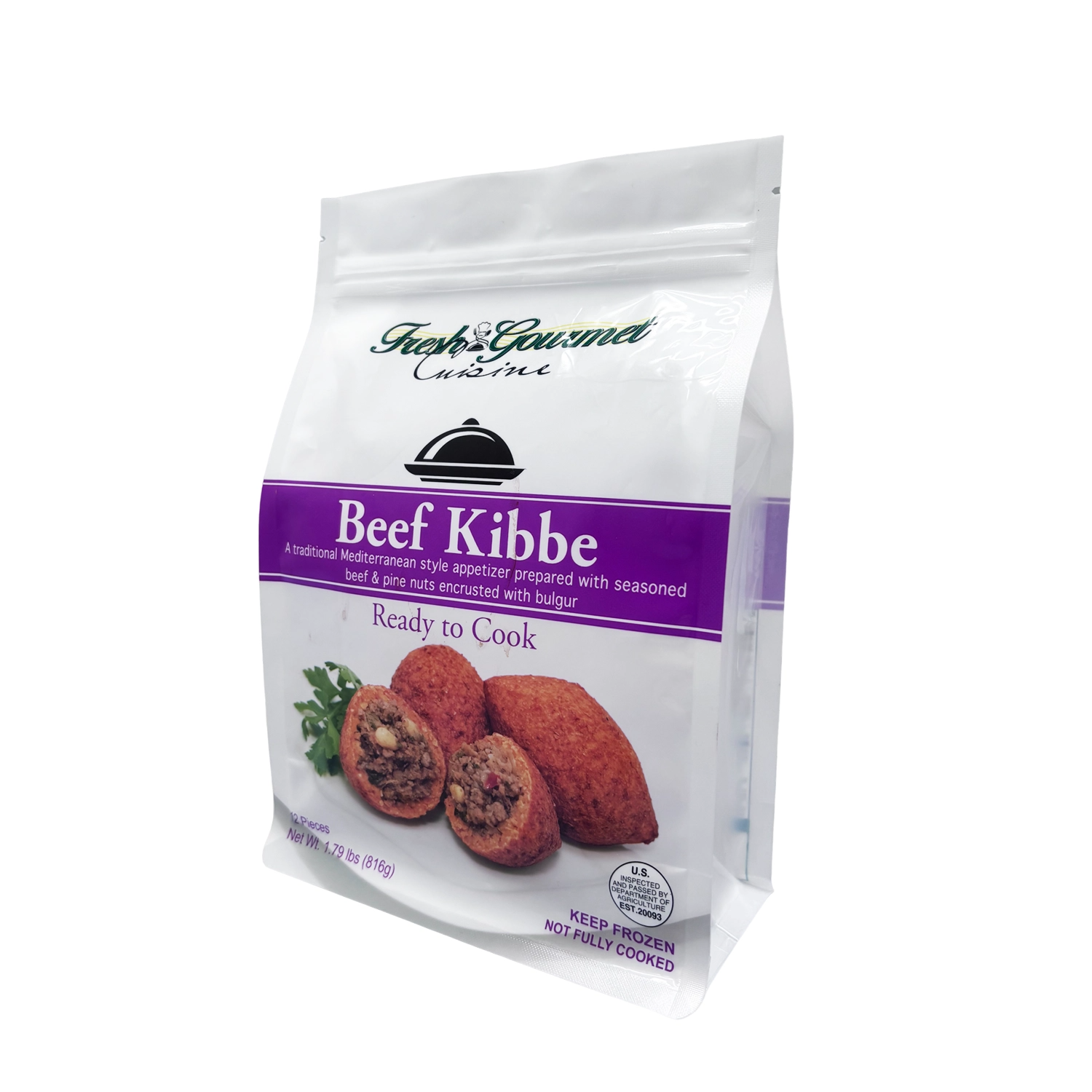
The table below highlights how each function benefits both manufacturers and consumers:
| Function | Benefit to Manufacturer | Benefit to Consumer |
|---|---|---|
| Protection | Reduced product loss and spoilage | Assured safety and hygiene |
| Preservation | Longer shelf life and efficient logistics | Enjoyable taste and quality |
| Communication | Stronger brand recognition | Easy access to product details |
Different candies require different types of primary packaging based on texture, moisture sensitivity, and shelf-life expectations. The most widely used materials include:
Plastic Films (Polypropylene, Polyethylene) – Flexible, transparent, and cost-effective for candy wraps.
Aluminum Foil – Excellent barrier against light and oxygen, commonly used in chocolates.
Paper and Wax Paper – Traditional option, eco-friendly but less protective against moisture.
Compostable Films – Emerging options designed to balance sustainability with protection.
Here’s a quick comparison of material performance:
| Material | Barrier Against Moisture | Barrier Against Oxygen | Sustainability | Common Use Case |
|---|---|---|---|---|
| Plastic Films | High | Moderate | Moderate | Lollipops, gummies |
| Aluminum Foil | Excellent | Excellent | Low | Chocolates, pralines |
| Paper/Wax Paper | Low | Low | High | Chewy candy, mints |
| Compostable Film | Moderate | Moderate | High | Organic candy |
To fully grasp the role of primary packaging, it helps to compare it with the other two layers: secondary and tertiary packaging.
Primary Packaging – Direct contact with candy (e.g., foil around a chocolate bar).
Secondary Packaging – Groups multiple primary units for display or sale (e.g., a chocolate bar box).
Tertiary Packaging – Bulk packaging used for transport and storage (e.g., pallets, shrink wrap).
Understanding this hierarchy ensures that businesses select packaging strategies that maintain candy quality while meeting logistics demands.
Shelf life is critical in candy manufacturing, and primary packaging is the first line of defense against spoilage. Factors such as humidity, oxygen, and microbial contamination directly affect candies like gummies, chocolates, and hard candies. Without the right protective barrier, candies can become sticky, stale, or discolored.
For instance, foil wrapping around chocolates prevents fat bloom (white streaks caused by fat crystallization), while polypropylene films around gummies prevent them from sticking together. This direct impact on texture and taste makes primary packaging an indispensable tool for quality assurance.
Candy packaging continues to evolve as consumer demands shift toward sustainability and convenience. Key innovations in recent years include:
Biodegradable and compostable films that reduce environmental footprint.
Resealable pouches that extend freshness after opening.
Smart packaging with QR codes for product traceability and engagement.
Minimalist designs that reduce material usage without compromising protection.
These innovations highlight the growing role of primary packaging in balancing product integrity with eco-consciousness.
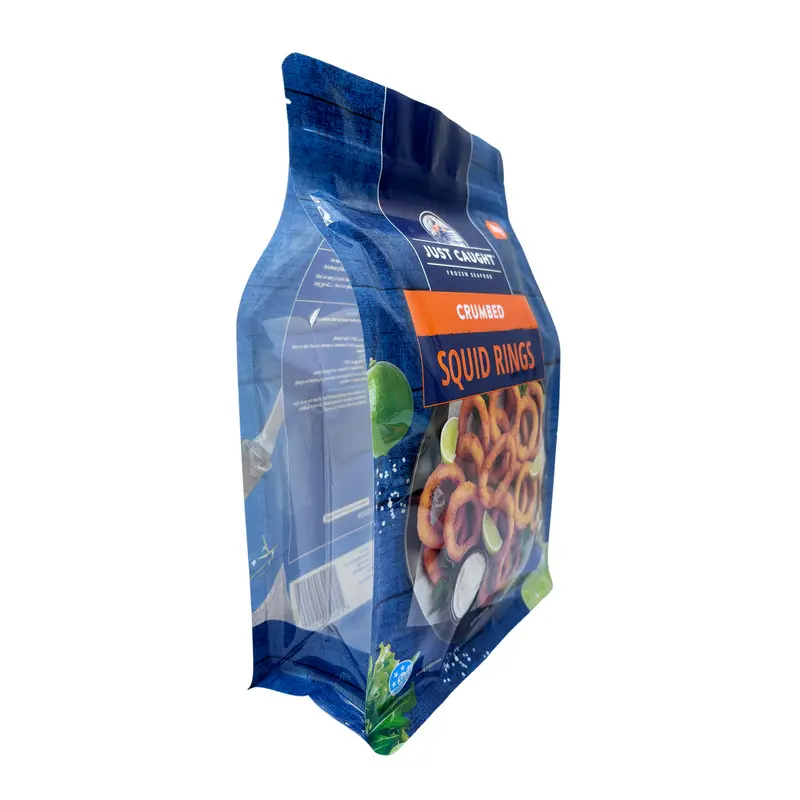
Primary packaging is the consumer’s first tactile interaction with candy, making it a powerful branding tool. The texture of the wrapper, the ease of opening, and the visual appeal all shape consumer perception. A poorly sealed wrapper may suggest low quality, while a neatly designed foil or film enhances trust.
Brands leverage candy packaging design to create memorable unboxing experiences, encourage repeat purchases, and differentiate themselves in a crowded market. This direct link between primary packaging and consumer loyalty emphasizes why design and material selection cannot be overlooked.
While candy packaging materials like foil and plastics provide excellent protection, they often pose recycling and environmental challenges. Plastic films are rarely recyclable through curbside systems, and foil is energy-intensive to produce. Manufacturers face the dual challenge of maintaining candy quality while meeting global sustainability goals.
Solutions include shifting to recyclable mono-material films, biodegradable coatings, and partnerships with recycling programs. Striking this balance between sustainability and performance is becoming a central focus for candy brands.
Primary packaging is the core of candy packaging, safeguarding flavor, freshness, and safety while serving as a canvas for brand identity. From aluminum foil that preserves chocolates to flexible films that protect gummies, every choice in material has direct consequences for quality and consumer experience. As innovation drives more sustainable and functional designs, primary packaging will continue to evolve, ensuring that candy remains as delightful at consumption as it was at production.
1: What exactly counts as primary candy packaging?
Primary packaging is the layer that directly touches the candy, such as a chocolate’s foil wrap or a gummy’s plastic film.
2: Why is primary packaging so important for candy?
It prevents contamination, extends shelf life, and provides essential branding and labeling information.
3: Can candy primary packaging be sustainable?
Yes. New biodegradable and recyclable materials are increasingly replacing traditional plastics and foils.
4: How does primary packaging affect candy freshness?
By blocking oxygen, light, and moisture, primary packaging helps maintain candy’s original texture and taste.
5: Is foil or plastic better for candy packaging?
Foil offers stronger protection for chocolates, while plastic films are more versatile and cost-effective for gummies and hard candies.


