|


What exactly is a Leaf Paper Bag?
Let's clarify the concepts first. There are two main types of Leaf Paper Bags on the market:
Type 1: Garden Leaf Bags (Lawn & Leaf Bags)
These are the large paper bags used for sweeping up fallen leaves and collecting twigs in the yard. They're the big brown bags piled up in front of American homes in the fall.
Type 2: Tree-Free Leaf Paper Bags
This is a relatively new environmentally friendly material that has emerged in the last couple of years—made from fallen leaves swept up in the fall, then used to make shopping bags and gift bags. No need to cut down trees, it's recycling waste.
These two types are quite different, so let's discuss them separately.
Scenario 1 : What are the advantages of garden leaf bags?
Let me tell you a true story. A friend of mine who lives in a villa used to struggle with sweeping up fallen leaves every fall—plastic garbage bags were easily punctured by twigs; and when full, they were heavy and would crack when dragged to the roadside. Later, when the community mandated the use of paper bags for yard trash, he discovered that these were more reliable than he had imagined.
Technical parameters explained in a few words:
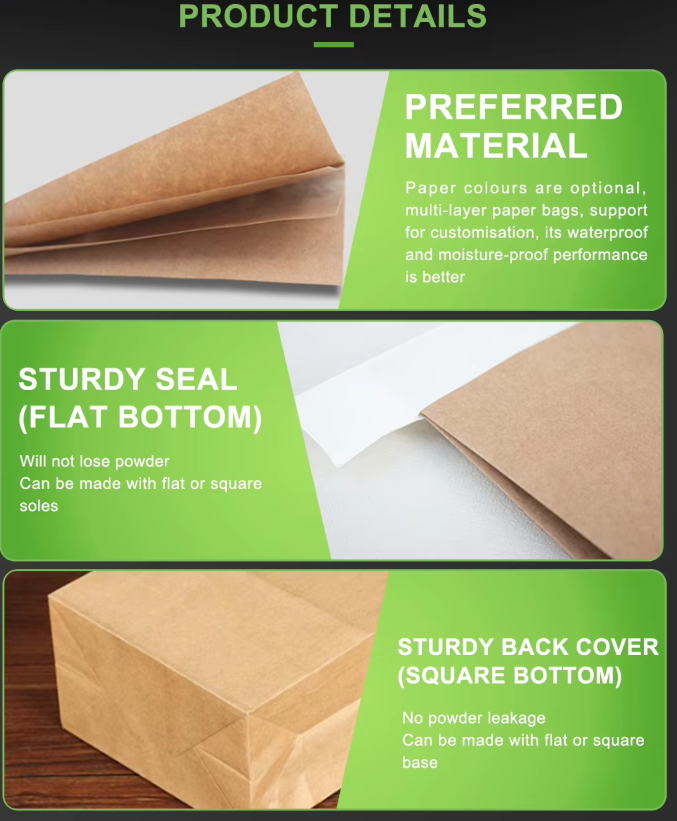
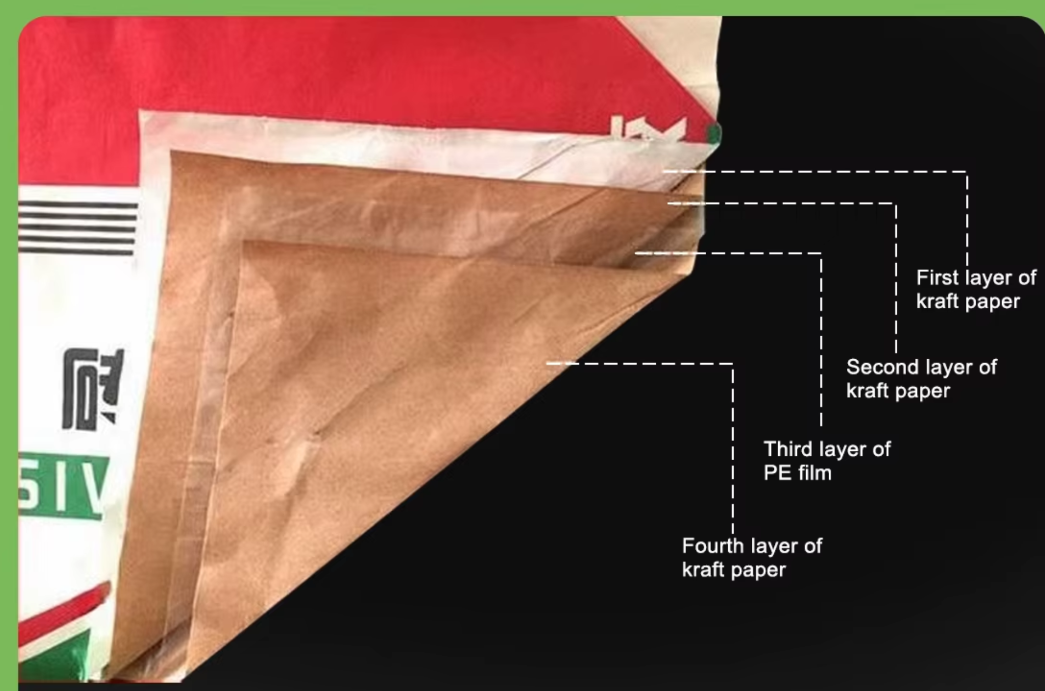
Material Structure: Generally, it's double-layered wet-strength kraft paper. The two layers are laminated to increase strength, and the specially treated fibers won't disintegrate when exposed to water.
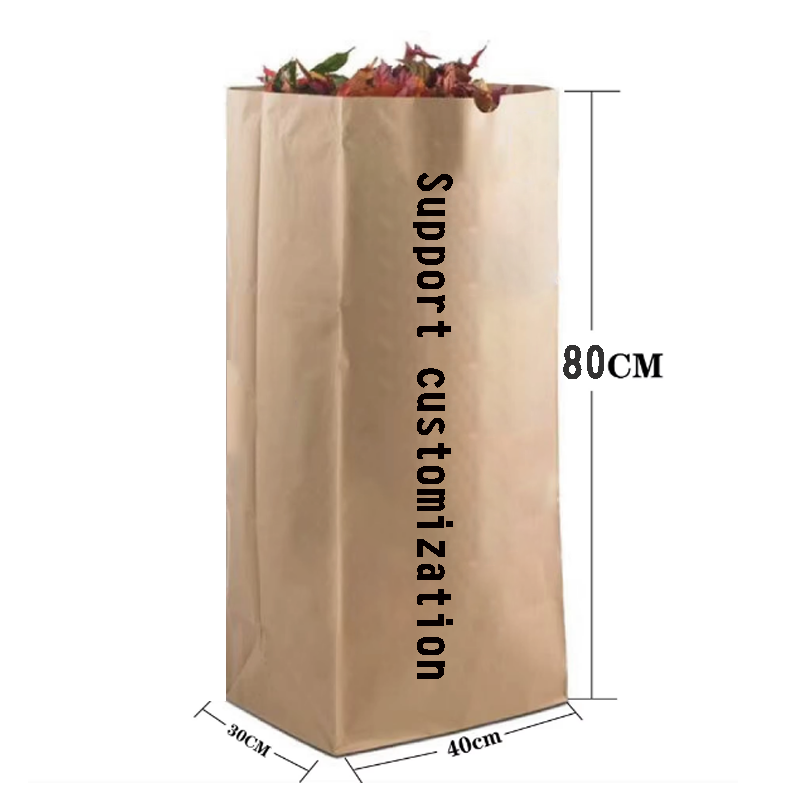
Capacity Specifications: The mainstream size is 30 gallons (approximately 110 liters), with dimensions of approximately 16" x 12" x 35"—perfect for holding a season's worth of pruned leaves.
Load-bearing Capacity: Double-layered puncture-resistant structure, impervious to sharp branches. The supplier claims it's even stronger than plastic garbage bags.
Self-standing Design: The square bottom allows the empty bag to stand upright on its own, eliminating the need for someone to help sweep leaves inside.
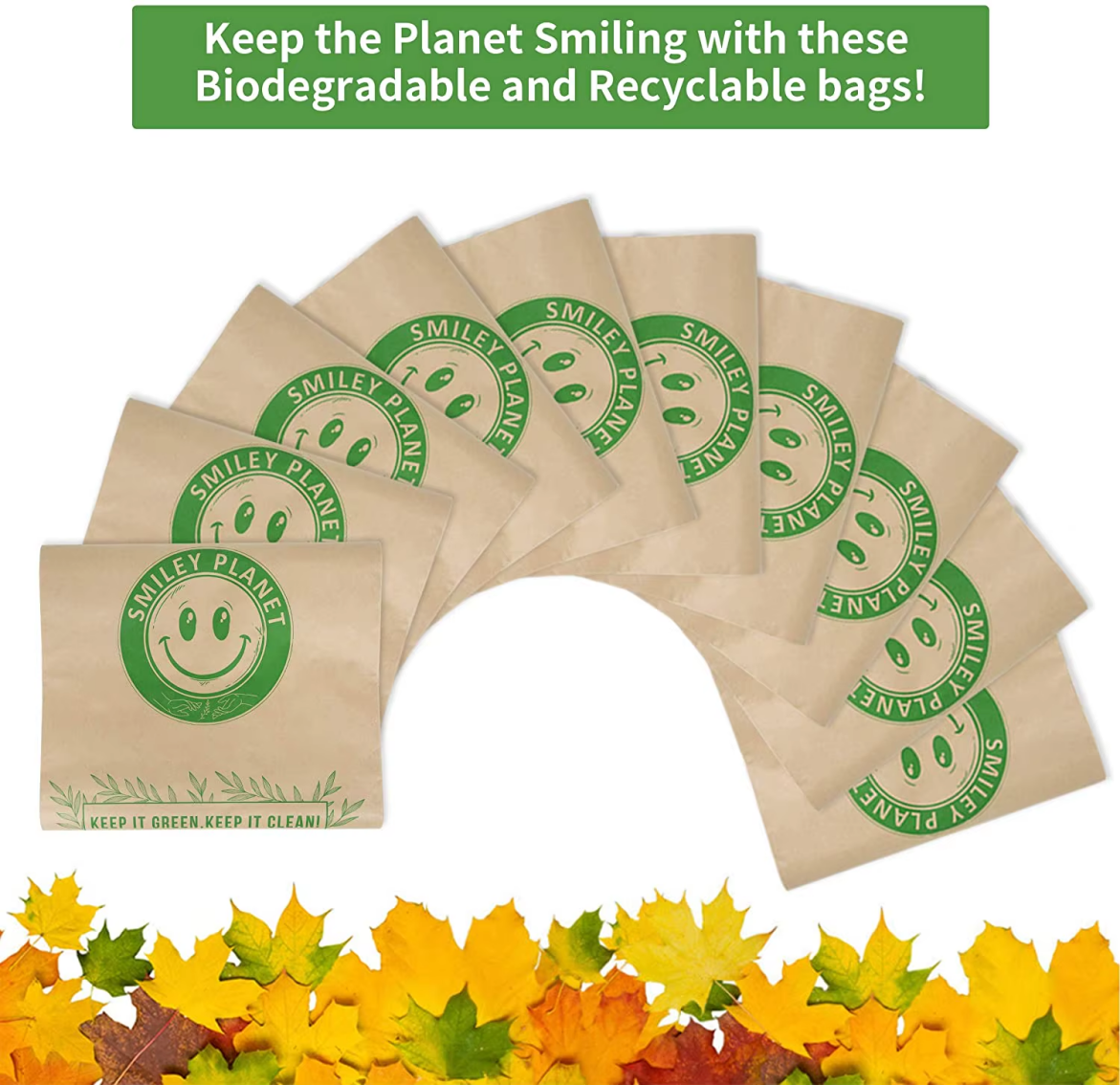
Environmental Attributes: 100% biodegradable and can be directly disposed of in a compost bin. Even the glue and printing ink are biodegradable.
Why is it better than plastic bags?
Comparison: Gardening paper bag vs. Plastic garbage bag
Puncture Resistance: Double-layered kraft paper, impervious to branches vs. easily punctured by sharp branches
Self-standing Capacity: Square bottom, stands upright when empty vs. flimsy, requires support
Environmental Attributes: Compostable and biodegradable vs. plastic residue
Load-bearing Capacity: Wet-strengthened, withstands damp leaves. Wet bags are prone to rotting.
Some communities mandate the use of paper bags for yard waste because they can be directly sent to composting plants without sorting.
Scenario 2 : Paper Bags Made from Fallen Leaves – A New Approach?
Let's look at another direction – using fallen leaves to make packaging. This sounds novel, but some brands are already using it.
Technical Principle: Collect fallen leaves and landscaping waste from the city, pulp them, make paper, and then create shopping bags and gift bags. No trees need to be cut down.
Environmental Data: Compared to traditional papermaking, this leaf paper:
Reduces carbon footprint by 78%
Reduces water consumption by 15 times
Turning waste into treasure – billions of pounds of fallen leaves that would otherwise end up in landfills now have a place to go.
Practical Application: The Arbor Kraft series from Packaging Specialties in the US uses paper bags made from fallen leaves. The exterior is a natural kraft paper color with a natural leaf texture. Printed with soybean ink, the entire bag boasts excellent environmental friendliness.
Who is it suitable for? Boutiques, museum shops, organic food brands, and retailers with a strong environmental commitment. Customers carrying this bag are themselves an extension of the brand story.
If you are looking for garden leaf bags:
Specifications, Capacity, Size, Features
Standard: 30 gallons, 16"x12"x35" Double-layered wet-strength kraft paper, self-standing bottom
Small: 10-15 gallons Corresponding size, for lightweight yard waste
If you are looking for packaging bags made of leaf material:
Categories, Material, Applicable Scenarios
Shopping Bags: Leaf paper, Retail stores, boutiques, markets
Gift Bags: Leaf paper + hot stamping, High-end gifts, eco-friendly brands
Food Bags: Leaf paper + food-grade coating, Organic food, natural food
If you are looking for a supplier:
We have exported garden leaf bags that meet US and Canadian yard waste collection standards. We are also following this emerging trend of leaf material packaging bags and can help connect you with suppliers.
Which type would you like to know more about, or send me a product link to see your specific needs? Let me know anytime.