
Views: 0 Author: Site Editor Publish Time: 2025-10-02 Origin: Site


72 percent of buyers think packaging design is very important when they decide what to buy.
Tea packaging is very important for brand recognition and customer loyalty. It makes a first impression, shows your brand identity, supports sustainability, makes using the product easier, and looks nice to attract buyers.
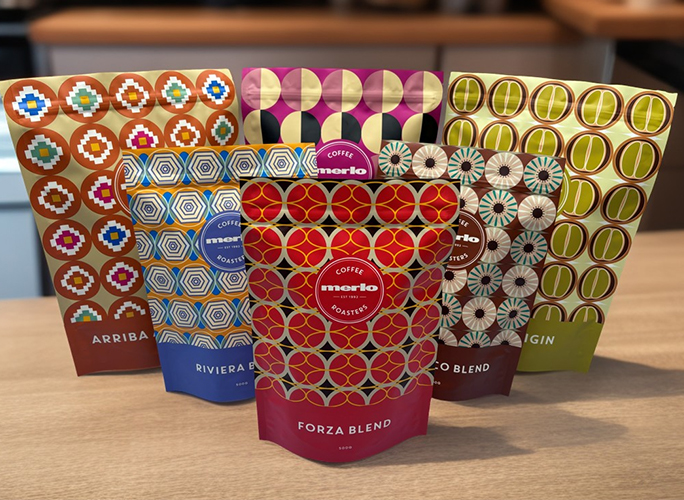
When you pick Colorful Packaging, your product looks special and helps people remember your brand. Think about who will buy your tea and what you want them to feel.
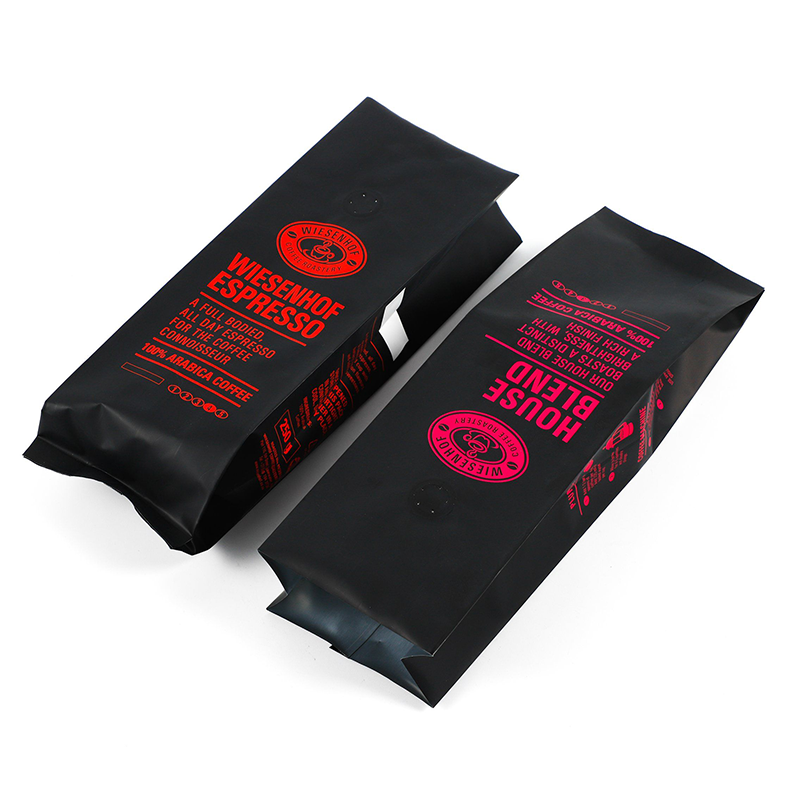
Good tea packaging is important for getting buyers and keeping them. Bright designs help your tea stand out right away.
Keep tea fresh by picking packaging that stops air, water, and light. Packages that can close again keep tea good after you open it.
Pick earth-friendly materials to get people who care about the planet. Green packaging can make your brand look better.
Put clear labels with key facts like how to brew and what is inside. This lets people use your tea safely and feel sure about it.
Know what your buyers like. Make your packaging fit their wants so your tea is different from others.
You want your tea to taste good every time. Keeping tea fresh is the most important thing for tea packaging. Good packaging stops air, water, and sunlight from getting in. These things can make tea lose its taste and health benefits. Studies say tea loses antioxidants like EGCG and theaflavins when it gets too much air or light. You should pick packaging that stops oxidation and blocks UV rays. Always put the packing date on your packaging. This helps people know how fresh the tea is. You can also add tips for storing tea so customers keep it fresh at home.
Tip: Resealable closures help keep tea fresh after opening. This makes it easy for people to enjoy fresh tea every time.
Tea packaging should make things easier for you and your customers. People want packaging that is easy to use, store, and carry. Flexible packaging like pouches and bags saves space and works well for single servings. Digital technologies on packaging can tell the tea’s story and help people learn about your brand. Resealable closures keep tea fresh and make it simple to open and close the package. Smart labeling helps customers find important information fast.
Feature | Contribution to Convenience |
|---|---|
Flexible packaging formats | Easy to store, light to carry, good for single-serve and special teas |
Digital technologies | Helps track tea, tells where it comes from, and connects with buyers |
Freshness and aroma retention | Needed for loose-leaf, herbal, and green teas, leads to new packaging ideas |
Resealable closures | Keeps tea fresh and is easy for people to use |
Smart labeling technologies | Makes it easier to track products and helps customers learn more |
You should also put brewing instructions, net weight, certifications, and allergen information on your tea packaging. These details help customers use your product safely and easily.
You can help the earth by picking eco-friendly tea packaging. Many people care about nature and want packaging that does not hurt the planet. Materials like abaca, rice paper, Soilon, PLA, silk, organic cotton, and paper are good choices. These materials break down naturally and do not pollute the earth. Studies show packaging is more than half of the carbon footprint of a cup of tea. Some tea bags let out plastic pieces, which can be bad. Compostable and biodegradable materials lower this risk and help keep the earth clean.
Material | Properties | Environmental Impact |
|---|---|---|
Abaca | Strong, lasts long, breaks down, keeps out water | Better for the earth, but costs more than regular options |
Rice Paper | Breaks down fully, light, no chemicals | Comes from plants, but may not let tea brew well |
Soilon | Breaks down, can be composted, keeps tea fresh | Good for the earth, but costs more than regular plastics |
PLA | Breaks down in special places, safe to use | Better than plastic from oil, but needs special composting |
Silk | Breaks down, strong, looks nice | Good for the earth, but costs more and is hard to use for big batches |
Organic Cotton | Lets air in, breaks down, grown without bad chemicals | Supports green farming, gives a natural look |
Paper | Used a lot, can be made without chlorine | Liked by people who care about the earth, but can rip in hot water |
You can help by choosing green materials and telling your customers about your choice.
Pouches and bags are flexible and modern. They keep tea fresh and are simple to use. Many brands pick stand-up pouches, gusseted bags, or side seal pouches. Each type has good and bad points.
Type of Packaging | Advantages | Disadvantages |
|---|---|---|
Stand-up pouches | Strong, holds lots of tea, easy to open, looks nice | Some do not break down in nature |
Gusseted bags | Stays upright, holds much loose tea | Bulky, uses more material |
Side seal pouches | Easy to carry, good for ads, nice printing | For single servings, less protection |
Sachet bags (paper) | Breaks down, good for the earth | Nylon ones are not good for nature |
Many pouches use materials that break down or can be composted. Picking these helps the planet.
Cartons and boxes look classic. They protect tea and give space for cool designs. You can print bright pictures and facts on them. Cartons cost less than tins but do not last as long.
Attribute | Tea Tin Boxes | Tea Cartons |
|---|---|---|
Durability | Very strong, hard to damage | Wears out faster |
Shelf Appeal | Looks fancy and nice | Good pictures, less fancy |
Paperboard is used a lot for cartons. It can be recycled and saves money.
Canisters and tubes catch your eye in stores. They keep tea fresh by blocking air and water. You can print your brand and details on them. Many use materials that can be recycled or come from nature.
Benefit | Description |
|---|---|
Preservation of Quality | Blocks air and water, keeps tea fresh |
Customization | Lets you add bright pictures and info |
Eco-friendliness | Uses green materials |
Durability | Strong shape protects tea |
User-friendly | Easy to stack and store |
Custom looks help your brand get noticed.
Green materials attract people who care about nature.
Canisters show you care about quality and the earth.
New tea bag styles make tea time fun and special. Some brands have tea calendars to open each day. Others use paper lids to keep water hot. Some bags have bird clips that hang on your cup. Modular boxes let you build shapes and play.
Tip: Cool tea bag designs help your brand stand out and give people a fun experience.
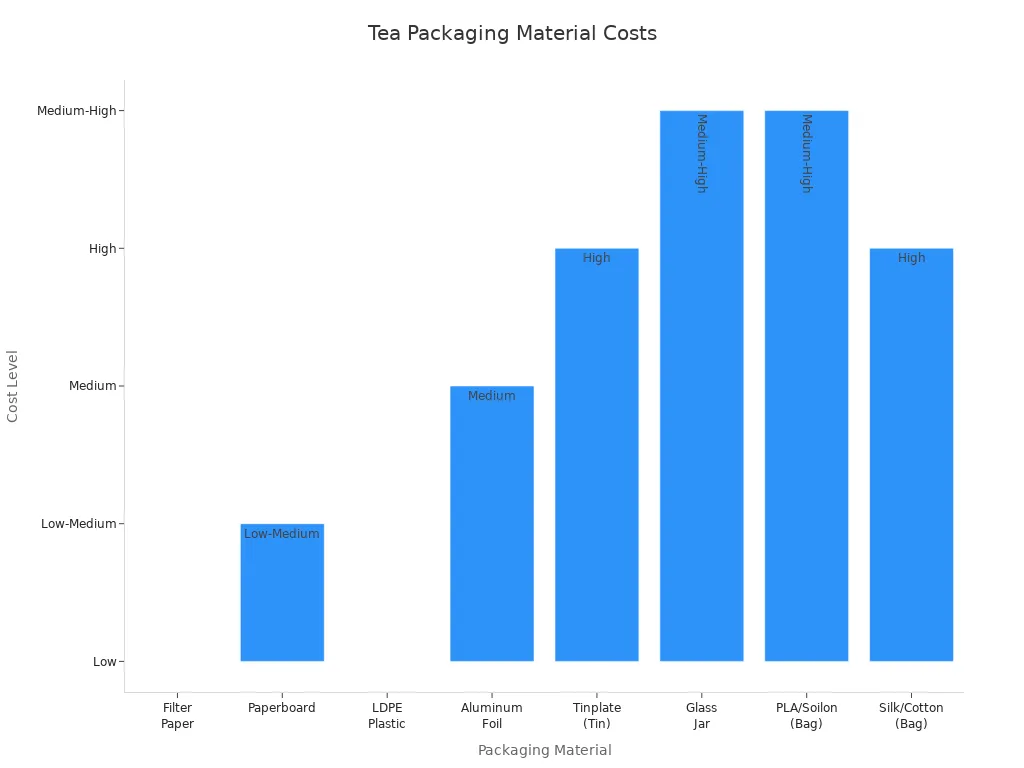
Picking tea packaging depends on your brand, your money, and what buyers like.
Your logo shows who you are. Put it where people see it fast, like at the top or in a corner. This helps people remember your tea and find it again. Pick colors and fonts that fit your brand’s style. A modern tea might use bright colors and simple lines. A classic tea might use soft colors and old-style fonts.
Tip: Make sure your logo is easy to read, even on small packages.
A strong logo helps your tea stand out from others. It also shows what makes your tea special. Using the same logo, colors, and style on all your products builds trust. It makes your brand easy to spot.
Design Principle | Description |
|---|---|
Branding and marketing | Design shows what your brand stands for and what makes it unique. |
Brand identity | Where you put your logo, your colors, and your fonts show your brand’s style. |
Clear packaging helps people know what they are buying. Show the tea type, flavor, and special features on the front. Use simple words and easy fonts. Add pictures or icons to show if the tea is herbal, green, black, or flavored.
Packaging is the first thing people notice. It shapes how they feel about your tea. Clear packaging helps shoppers choose fast. This can mean more sales and happy customers.
Strategy | Effect on Consumer Behavior |
|---|---|
Visual Appeal | Gets attention and helps people decide to buy. |
Color Psychology | Colors can change how people feel and help them remember your brand. |
Communication of Brand Values | Shows what your brand cares about and builds loyalty. |
Personalized Touches | Makes people feel special and can help sell more tea. |
Note: 72% of American shoppers say packaging design matters when they buy. Many also check the packaging materials before choosing.
People want to trust the tea they drink. List all ingredients and where your tea comes from. Use clear labels and do not make false claims. If your tea is organic or fair trade, show these on your packaging.
You can use eco-friendly materials like kraft paper or recycled cardboard. This shows you care about the earth. Simple and clean designs look honest and high-quality. Tell your tea’s story to help people connect with your brand.
Storytelling on tea packaging helps people feel close to your brand. It makes your tea stand out and brings buyers back.
Good packaging grabs attention and makes people want your tea. Use bright colors, bold patterns, or fun shapes to stand out. Modern styles use geometric patterns, wraparound designs, and textured paper. Handwritten fonts or mascots can make your packaging friendly.
Trend Description | Impact on Shelf Appeal |
|---|---|
Ingredients Illustrated in Bold Color Palettes | Shows off the tea’s beauty and catches the eye. |
Adding Tactile Elements | Makes the package fun to touch and easy to remember. |
Using Wraparound Patterns | Gives a creative look that stands out. |
Choosing Handwritten Fonts | Adds a personal feel and makes it friendly. |
Mascot Variations | Helps people remember your brand and feel connected. |
Delightful Colors | Bright colors make your tea easy to spot. |
Cartoon Charm | Fun designs attract many kinds of people. |
Match your design to the tea’s mood. For calming teas, use soft colors and gentle pictures. For energy teas, use bold colors and strong shapes. Always keep your design easy to read and use.
Remember: The best tea packaging looks good, is honest, and works well. When you use these ideas, people will trust and love your tea.
It is important to know who will buy your tea. People want different things when they choose tea. Some care about where the tea comes from. Others want tea that is fast and simple to make. Some people pick tea for health reasons. Others like to try new tastes. If you sell to cafes or tea rooms, they want the best quality. This is because it matters for their business. Specialty tea buyers know a lot about tea. They look for something special.
Here is a table that shows the main types of tea buyers:
Consumer Segment | Description |
|---|---|
True Tea Lovers | Highly engaged with tea products, interested in origin and manufacturing processes. |
Ready-to-Drink Segment | Prioritizes convenience, requiring targeted marketing efforts. |
Cafe and Tea Room Owners | Focus on product quality, as it impacts their business reputation. |
Benefit-Seeking Tea Consumers | Purchase based on health benefits rather than flavor, seeking transformation. |
Specialty Tea Market | High demand for specialty teas like traditional Chinese tea, indicating a knowledgeable consumer base. |
Variety Seekers | Enjoy experimenting with new flavors and unique tea profiles. |
People in different countries like different packaging. In Turkey, people want fun and new packaging because they drink a lot of tea. In North America, many people like tea that is ready to drink and organic. So, eco-friendly packaging is important there. In Europe, people want fancy and special teas. They also want packaging that looks nice and is good for the earth.
You have to follow the rules for tea labels in every country you sell in. These rules keep people safe and help them know what they are buying. In the United States, the FDA says you must show the tea’s name, all ingredients, how much is inside, and your company’s name and address. You also need to list any allergens. The packaging must keep tea safe from damage, water, and sunlight.
In the European Union, the EFSA has its own rules. You must show the tea’s name, ingredients, and where it comes from. If you say the tea is healthy, you need proof. The packaging must use safe materials.
Here is a table to help you compare the main rules:
Region | Legal Authority | Key Labeling Requirements |
|---|---|---|
United States | Food and Drug Administration (FDA) | - Name of the tea |
European Union | European Food Safety Authority (EFSA) | - Name of the tea |
Always check the newest rules before you design your tea packaging. This helps you stay out of trouble and keeps your customers safe.
You start your tea packaging journey by setting clear goals. Think about what you want your packaging to say about your brand. Ask yourself what makes your tea special. Study your competitors to see what works and where you can stand out. This helps you find your unique style.
Next, work with designers to create ideas. Choose colors, shapes, and materials that fit your brand. Make a dieline, which is a template showing the exact size and shape of your package. This step helps you avoid mistakes later.
You should build a prototype. This is a sample of your packaging. Use it to check if your design looks good and keeps tea fresh. Show your prototype to friends, family, or even some customers. Ask for honest feedback. Change your design if you find problems.
Tip: Keep your design simple. Too many colors or patterns can make your packaging look messy. Simple designs help people remember your brand.
Testing makes sure your packaging works in real life. Start testing early. Try different ways to see if your package protects the tea from air, water, and sunlight. Use both lab tests and real-world tests. For example, drop the package or leave it in a hot room to see what happens.
Work with your suppliers and stores to spot any problems. Keep notes on what you test and what you learn. Use this information to make your packaging better.
When you move to production, use machines that fill, seal, and label your packages quickly and safely. Automation helps you make many packages that all look the same. Heat sealing or ultrasonic sealing keeps tea fresh. Robotic arms can move packages from one step to the next.
Remember to use strong materials. Weak packaging can break and hurt your brand’s image. Always check that your final design matches your brand’s colors and logo.
Note: Keep improving your packaging. Listen to feedback and watch for new trends. This helps your tea stand out and keeps customers happy.
You can make your tea packaging stand out by mixing brand style, usefulness, and what customers like. Some brands, like Teh Botol Sosro, use bright designs and easy-to-read labels to show their tea is fresh and high quality:
Key Takeaway | Example | Description |
|---|---|---|
Effective Packaging Design | Teh Botol Sosro’s Jasmine Tea | Tall bottle, clear label, focus on quality and freshness |
Eye-Catching Design | Teh Botol Sosro’s Ice Tea | Bright label, unique shape, excites consumers |
Importance of Sustainability | General Insight | Eco-friendly packaging builds trust and helps the environment |
Try using new materials and make sure your packaging is simple to use. Tell your brand’s story on the package. When you pick green and honest designs, people trust your brand more and want to buy again. Start trying new ideas now to help your tea packaging stand out!
You should choose materials that keep tea fresh and protect it from light and air. Many brands use paper, foil, or compostable plastics. Eco-friendly options like PLA or abaca work well if you want to help the environment.
Use bold colors, clear labels, and unique shapes. Add your logo in a visible spot. Tell your brand story on the package. Creative designs help people remember your tea.
Yes, you should add brewing instructions. Clear steps help customers enjoy your tea the right way. Simple directions make your product easy to use and build trust with buyers.
No, you need different packaging. Loose leaf tea needs airtight containers to stay fresh. Tea bags can use smaller pouches or boxes. Pick the right type for each product to protect quality.

