|


Item | Classify by the Retort Pouch Styling |
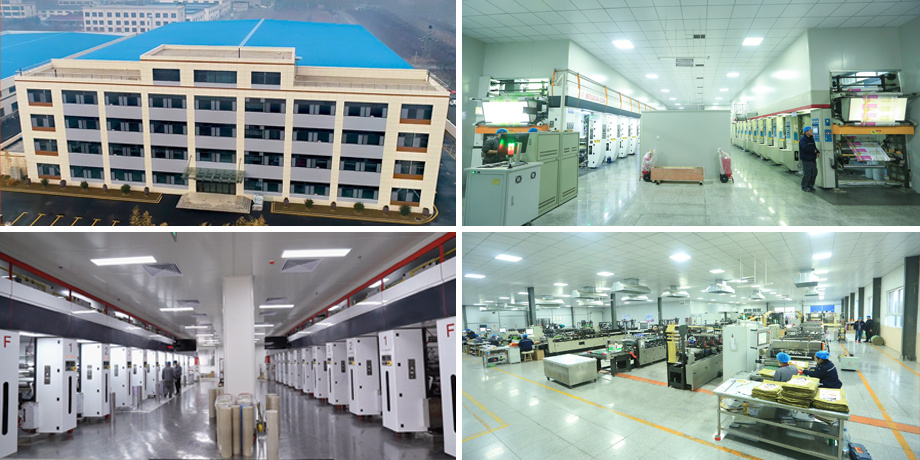
Printing: | Gravure printing(up to 10 colors), Digital printing(CMYK- no plates fee), |
Material | 2 Layers laminated materials: PA/RCPP , PET/RCPP |
3Layers laminated materials: PA/AL/RCPP , PET/AL/RCPP | |
4Layers laminated materials:PET/PA/AL/RCPP & PET/AL/PA/RCPP | |
Size & Thickness: | Custom based on your requirement |
Design | Custom available- we got our own design team |
Features | Tear notch, zipper, hang hole, spout, clear or printed window |
Advantages | tailored design per style |
high durability under retort conditions | |
FDA & EU compliant | |
Sample | Various types are available, free of charge |
Application: | Ready-to-eat meals, soups, sauces, beverages, pet food, snacks, dry goods, military rations |
What makes retort pouches so special?
Let me tell you a true story. A friend of mine who makes curry initially used glass jars, which had a high breakage rate during shipping, and customers always complained about how heavy they were. Later, he switched to retort pouches, and he said, "The shipping cost is halved, and customers find them very convenient."
The core capability of retort pouches is: they can withstand high-temperature, high-pressure sterilization at 121℃, cooking, sterilizing, and sealing food in one step, allowing for 12-18 months of shelf life at room temperature. They're ready to eat after heating, lighter than canned food, and more convenient than freezing.
Core Technology: Multi-layer Composite Structure
Retort pouches are not ordinary plastic bags; they are made of multiple layers of composite materials:
Layer | Material | Function
Outer Layer | PET (Polyester) | Strong and scratch-resistant, printable patterns
Middle Layer | AL (Aluminum Foil) or NY (Nylon) | Barrier against oxygen, moisture, and light
Inner Layer | CPP (Cast Polypropylene) | High temperature resistant, direct contact with food
The aluminum foil layer is key—oxygen permeability is reduced to below 0.1cc/m²/day, and water vapor permeability to below 0.5g/m²/day, providing preservation comparable to metal cans.
The transparent version uses NY instead of aluminum foil, allowing you to see the food inside, but with slightly lower barrier properties.
Temperature Resistance
Standard Retort: 121℃, 30-60 minutes
Ultra-High Temperature Retort: 135℃, suitable for meat products and pet food
Refrigeration/Freezing: -18℃ to room temperature
What is it suitable for?
Product Category | Example | Size Range
Ready-to-eat Meals | Curry, Rice, Pasta, Stews | 150g-500g
Soups & Sauces | Broth, Hot Pot Base, Pizza Sauce | 200g-1000g
Pet Wet Food | Cat & Dog Main Food Canned Food Alternatives | 85g-400g
Infant Food | Fruit Puree, Vegetable Puree, Meat Puree | 100g-200g
Prepared Meats | Tuna, Roast Chicken, Braised Pork | 150g-500g
Vegetable Products | Corn Kernels, Mushrooms, Jam | 200g-800g
Spit Bag Version: For liquid and semi-liquid products, both the spout and lid are made of heat-resistant materials and are compatible with the same sterilization process.
Brand's Perspective: Why Change?
Reduced Logistics Costs. For the same 1kg of food, a retort pouch weighs only 1/5 of a glass bottle. Savings of 30%-50% on shipping costs are common.
Low Breakage Rate. Softer materials are less prone to damage from drops, resulting in significantly fewer after-sales complaints.
High shelf utilization. Twice as much shelf space as canned goods can be displayed in the same area, and they can be laid flat or hung.
Larger printing area. Both the front and back are advertising spaces, providing considerably more display space than cylindrical cans.
Low environmental impact. Much lighter than canned goods, resulting in lower carbon emissions. There are now single-material recyclable options.
Specifications:
Capacity: 50ml-3000ml
Bag Types: Three-side seal, stand-up pouch, flat bottom pouch, spout pouch
Features: Easy-tear opening, laser-drilled perforation, resealable zipper, hanging hole
Printing: Gravure printing, up to 10 colors, spot color support
If you are looking for a supplier,
we have manufactured many retort pouches, shipping curry, wet pet food, and ready-to-eat meals. Bags arrive flat at the factory, and the entire process—filling, sealing, and sterilization—is handled in one go.
We can send you samples for review, or discuss which structure would be suitable for your product. Let us know what you need to know.