
Views: 185 Author: Site Editor Publish Time: 2025-09-26 Origin: Site


Packaging design has become more than just a protective layer around a product. In a visually saturated marketplace, colorful packaging serves as a powerful marketing tool, capturing attention, conveying brand values, and creating memorable unboxing experiences. The right balance of vibrant colors, creative patterns, and thoughtful materials can turn ordinary packaging into a brand’s strongest storyteller. This article explores 10 colorful and creative packaging design ideas that brands can adopt to stand out, attract consumers, and build lasting impressions. Each idea focuses on how brands can strategically use color, texture, and design to elevate their packaging, ensuring it goes beyond functionality and becomes a key driver of consumer loyalty.
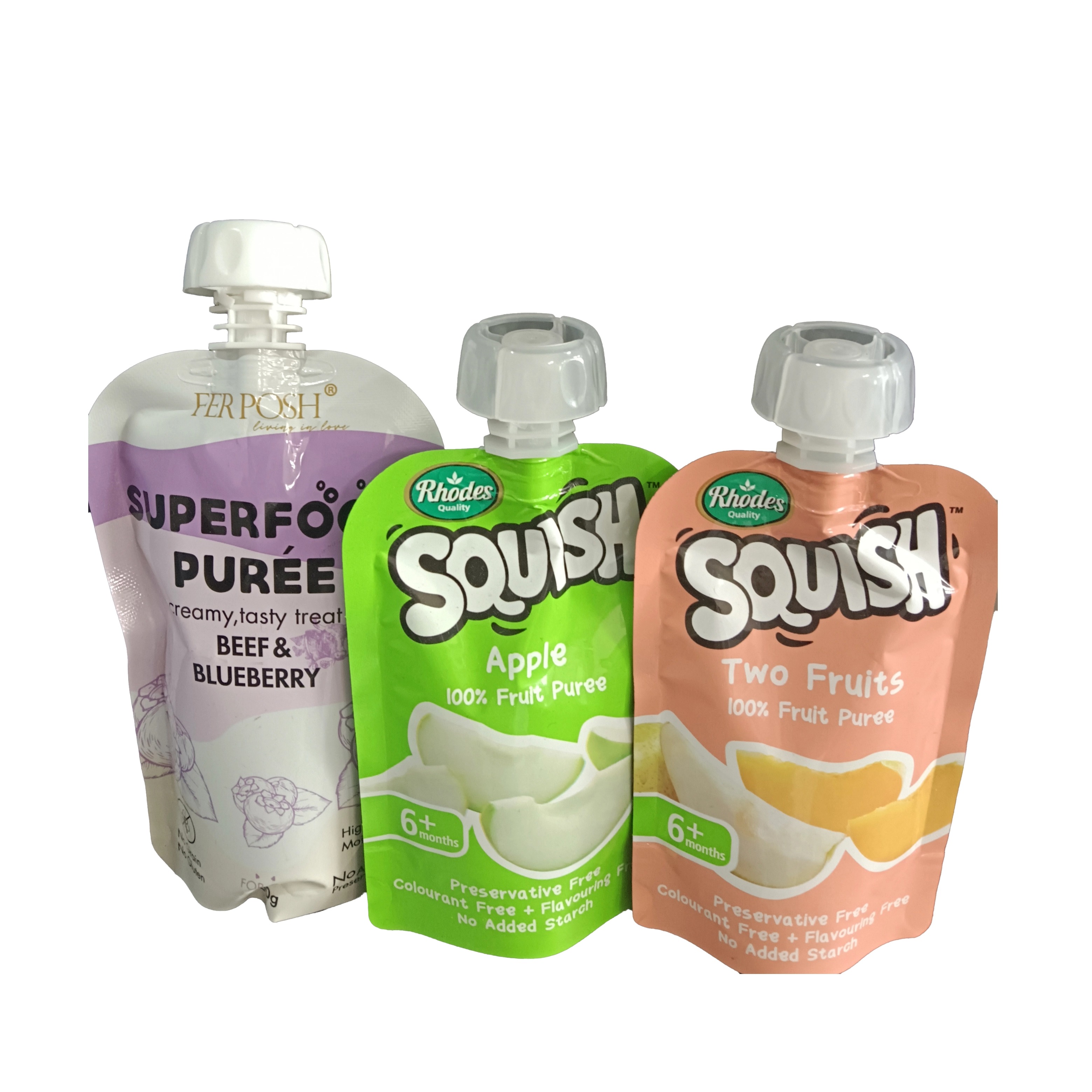
Color blocking in packaging design leverages contrasting hues to create immediate visual distinction. By combining complementary or unexpected shades, brands can achieve a modern, energetic look that draws attention on crowded shelves. This technique is especially effective for colorful packaging targeting younger demographics who associate bold tones with excitement and creativity. Beyond aesthetics, color blocking helps differentiate product variations, making it easier for customers to identify flavors, scents, or styles at a glance.
Example in Action:
Snack brands often use vibrant color blocking to highlight flavor profiles—like yellow for lemon, red for chili, or green for herbs. When executed with clean typography, the packaging appears fresh, bold, and easy to recognize.
Gradients have resurfaced as a popular design trend, offering depth and movement that flat colors cannot. A gradient-based colorful packaging design communicates innovation, freshness, and forward-thinking. Smooth transitions between colors, such as orange blending into pink or teal fading into purple, create a dynamic feel that resonates with tech-driven or lifestyle-focused brands.
Gradients work particularly well in industries like cosmetics, beverages, and premium stationery, where packaging doubles as part of the product’s aesthetic appeal. With digital printing advancements, brands can experiment with subtle pastel gradients or high-contrast neon blends.
Pro Tip: Pair gradients with minimal line art or metallic finishes to balance vibrancy with sophistication.
Illustrations transform packaging into a canvas, allowing brands to communicate personality, cultural heritage, or storytelling. A colorful, hand-drawn illustration can evoke authenticity and charm, making the packaging feel more personal and crafted. Whether whimsical doodles or detailed botanical drawings, illustrations invite customers to interact visually and emotionally with the brand.
For example, tea brands often use illustrated floral elements to signify natural ingredients, while artisanal chocolate makers lean on illustrated cultural motifs to highlight origin stories. The richness of color in illustrations enhances memorability and sets products apart from sterile, mass-produced packaging.
Typography can be as expressive as imagery when infused with color. Creative packaging that integrates bold fonts, oversized lettering, or handwritten scripts with colorful accents creates a youthful and approachable personality. Brands targeting millennial and Gen Z audiences often use typography-first designs, replacing images with text that doubles as a design feature.
Colorful packaging with playful typography works especially well for lifestyle goods, craft beverages, and artisanal snacks. By emphasizing certain words in different hues, designers can guide consumer focus toward brand names, product benefits, or emotional cues like “joy,” “fresh,” or “organic.”
Transparency gives customers a direct view of the product while allowing designers to frame it with colorful accents. This approach balances trustworthiness—since consumers can see what they’re buying—with creativity in how colors highlight or complement the product inside.
For example, juice bottles with clear labels and colorful geometric shapes emphasize freshness while keeping the liquid visible. Similarly, windowed bakery boxes with colorful borders can frame pastries like artwork. The transparency-plus-color strategy works best when the product itself has vibrant qualities worth showcasing.
As sustainability becomes a consumer priority, brands are reimagining eco-friendly packaging without sacrificing vibrancy. Recycled kraft paper or biodegradable materials can be enhanced with colorful inks, patterns, or eco-conscious iconography. The combination of earthy tones with bright accents signals both responsibility and creativity.
This design idea works across industries—natural skincare, organic foods, and even fashion accessories. A brown recycled box with splashes of teal, coral, or lime creates a balance between eco-conscious values and modern aesthetics.
Table 1: Eco-Friendly Colorful Packaging Strategies
| Material Choice | Color Technique | Brand Message Delivered |
|---|---|---|
| Kraft paper | Bright pastel inks | Natural yet playful |
| Biodegradable plastic | Bold geometric patterns | Modern and sustainable |
| Plant-based fabric | Hand-painted illustrations | Artistic and eco-conscious |
Adding metallic foils or iridescent overlays elevates packaging from simple to premium. Gold, silver, or holographic finishes against colorful backdrops communicate luxury and exclusivity. These techniques are widely used in colorful packaging for cosmetics, tech accessories, and premium beverages.
Foil stamping enhances shelf appeal by catching light, making products impossible to ignore. Meanwhile, iridescent finishes add a futuristic vibe, particularly appealing to Gen Z and fashion-forward audiences. The balance lies in using these finishes as accents rather than overwhelming the entire package.
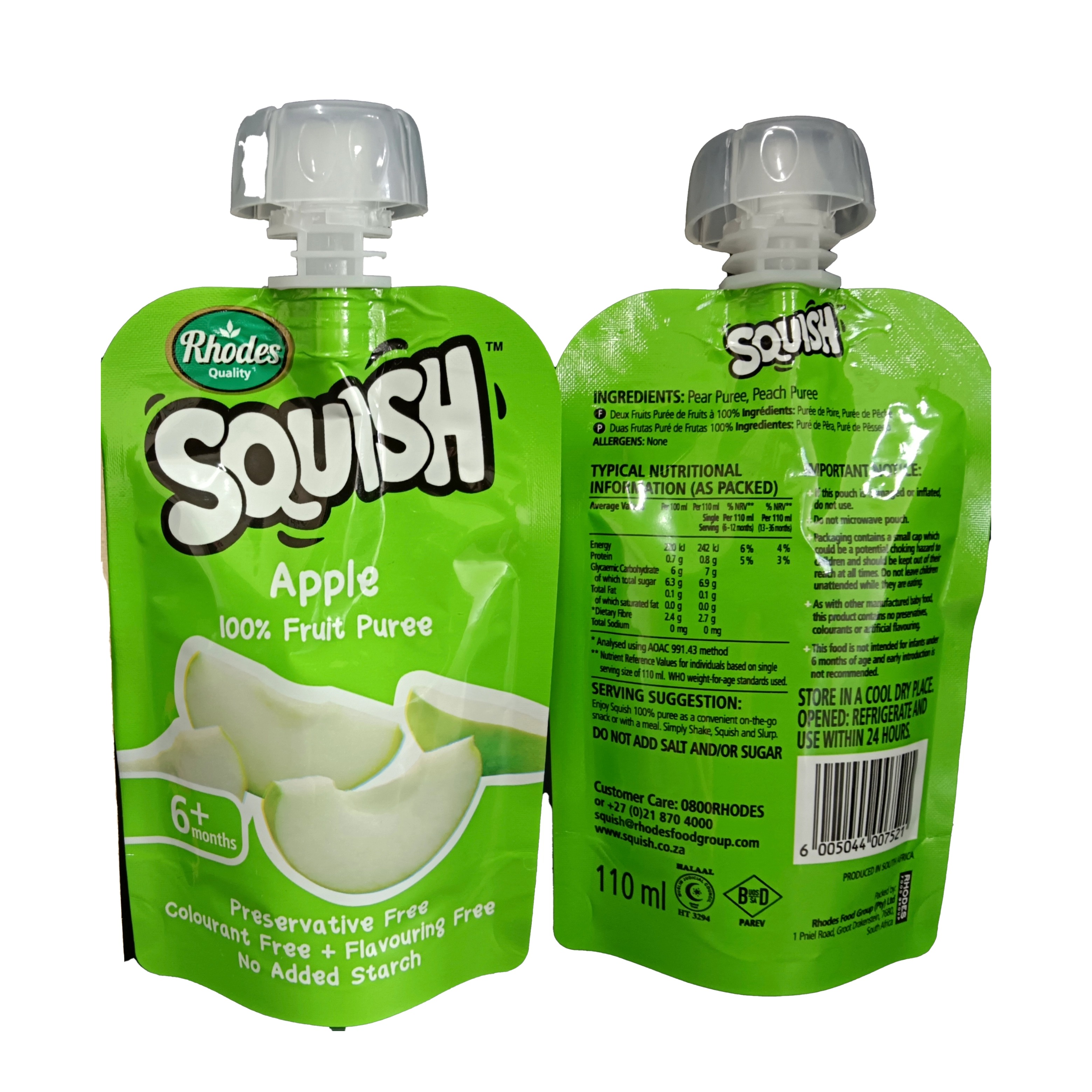
Seasonal packaging keeps products fresh and exciting, even if the core offering remains unchanged. Colorful packaging adapted for holidays, cultural festivals, or seasonal themes creates urgency and emotional resonance. For example, pastel tones during spring, deep oranges and browns in autumn, or bold red-and-gold combinations during festive seasons signal limited availability and exclusivity.
This approach works especially well for beverages, confectionery, and lifestyle goods, encouraging repeat purchases from customers who want to collect seasonal variations.
Table 2: Seasonal Colorful Packaging Examples
| Season/Festival | Color Palette Inspiration | Example Product Applications |
|---|---|---|
| Spring | Pastels: mint, lavender, peach | Skincare, stationery, beverages |
| Autumn | Warm orange, brown, burgundy | Coffee blends, candles, baked goods |
| Winter Holidays | Red, gold, emerald | Chocolates, wines, gift boxes |
Minimalist packaging doesn’t always mean monotone. Adding vibrant color highlights to clean, simple layouts creates a sophisticated yet approachable balance. Think matte white packaging with a single neon stripe or pastel background with bold black typography.
This design idea resonates with modern consumers who value simplicity but still want products to feel lively and engaging. Minimalism with color highlights works especially well in premium lifestyle goods, skincare, and wellness industries.
Interactive packaging uses color strategically to help customers navigate product lines. Color-coding flavors, product intensities, or size variations makes shopping intuitive while keeping packaging visually appealing. For example, a beverage brand could assign blue for blueberry, pink for strawberry, and green for lime—creating both aesthetic variety and clarity.
Color-coded systems are particularly valuable in product families where differentiation is key, such as vitamins, cosmetics, and snacks.
Colorful packaging is more than a design choice—it is a brand strategy. From bold gradients to eco-friendly creativity, each design idea transforms packaging into a storytelling tool that engages, informs, and delights customers. In a competitive retail environment, brands that embrace color strategically not only stand out but also build deeper emotional connections with consumers. By implementing these 10 colorful and creative packaging design ideas, businesses can elevate both their product visibility and brand identity.
1. Why is colorful packaging important for brands?
Colorful packaging attracts consumer attention, communicates brand values, and differentiates products in competitive markets. It also enhances the unboxing experience, encouraging customer loyalty.
2. How do I choose the right colors for packaging design?
Start with your brand’s identity and audience. Use colors that align with your values, consider cultural associations, and test combinations for readability and shelf impact.
3. Can colorful packaging still be eco-friendly?
Yes. Brands can combine recycled materials with eco-friendly inks and minimalist printing to create sustainable yet vibrant designs.
4. What industries benefit most from colorful packaging?
While all industries can use color creatively, food and beverage, cosmetics, lifestyle, and tech accessories often see the most impact from colorful packaging strategies.
5. What’s the biggest mistake to avoid in colorful packaging design?
Overloading packaging with too many colors or cluttered visuals. Balance is key—using color strategically ensures vibrancy without overwhelming the consumer.

